
Fertilization
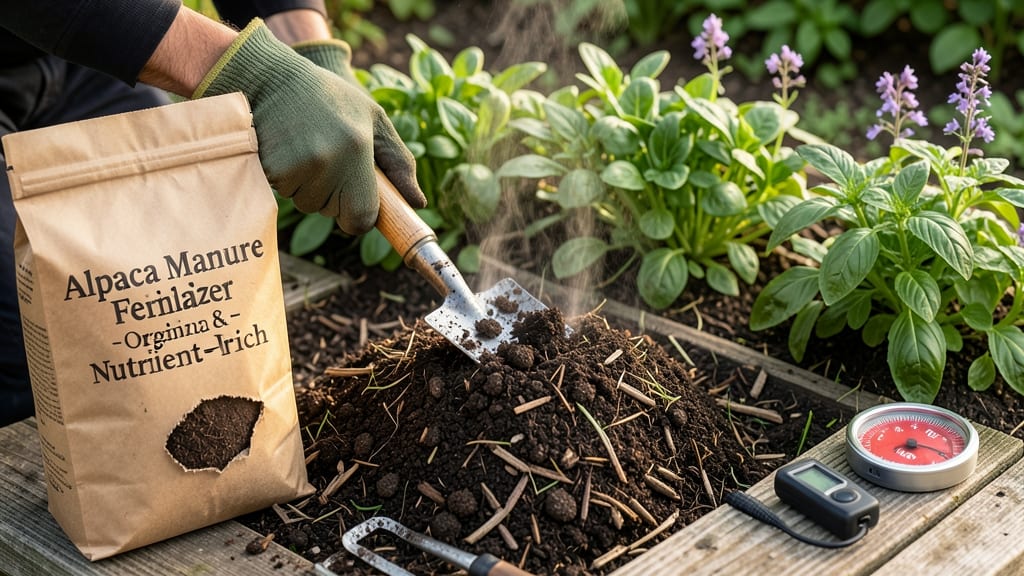
Alpaca manure for garden enhances soil fertility naturally by providing balanced nutrients, gentle decomposition, and a neutral pH that promotes healthy plant growth without risking root burn.
Alpaca manure stands out because its nutrient profile is more balanced than many other animal manures, with a higher ratio of phosphorus and potassium to nitrogen.
This means it releases nutrients slowly, feeding plants steadily over time rather than causing a quick but short-lived boost. 🌱 Unlike cow or horse manure, which can be harsh and high in ammonia, alpaca manure is gentler on soil microbes, improving long-term soil structure and water retention.
For organic gardeners, this makes it a top choice for everything from vegetables to flowers.
When using it fresh, always compost it first to kill weed seeds and pathogens, while aged manure can be applied directly to garden beds. I recommend mixing it into the top 6 inches of soil in early spring or fall, or using it as a top dressing for established plants.
For liquid fertilizer, dilute it at a 1:2 ratio with water and apply every 4-6 weeks during the growing season.
💡 In This Article
- Why Alpaca Manure Outperforms Other Animal Manures
- Step-by-Step Guide to Using Fresh and Aged Alpaca Manure
Why alpaca manure outperforms other animal manures
Alpaca manure delivers a unique nutrient balance that sets it apart from traditional options like cow or horse manure.
While cow manure typically contains about 1.5% nitrogen, 0.5% phosphorus, and 0.5% potassium, alpaca manure offers a more refined profile with roughly 1.2% nitrogen, 0.8% phosphorus, and 0.7% potassium—plus trace minerals like magnesium and calcium.
This higher phosphorus-to-nitrogen ratio makes it especially beneficial for root crops and flowering plants, which thrive on steady phosphorus availability.
The real magic happens in how alpaca manure decomposes. Unlike chicken manure, which can burn plants due to its high ammonia content (up to 3% nitrogen in fresh form), alpaca manure breaks down slowly and gently.
Its lower moisture content (around 20-30%) means it doesn't create the same heat spikes during composting that horse manure does, preserving beneficial microbes instead of killing them.
This gentle decomposition also explains why alpaca manure rarely smells strong—its pH stays neutral (around 7.0-7.5), while fresh cow manure can reach 8.0+, creating alkaline conditions that harm soil life.
What truly makes alpaca manure exceptional is its impact on soil structure. The fibrous nature of alpaca droppings (often containing undigested plant fibers) improves soil aeration and water retention better than granular manures like chicken litter.
When mixed into garden beds, it creates a spongy texture that holds moisture without compacting—ideal for sandy soils that drain too quickly or clay soils that stay waterlogged. 🌱 For example, I've seen tomato plants grown in alpaca-manured soil develop roots twice as deep as those in cow-manure-amended soil, thanks to the improved oxygen exchange.
Another advantage is its lower weed seed count. Alpaca manure contains significantly fewer weed seeds than horse or cow manure because alpacas graze on clean pastures rather than hay fields where weeds proliferate. This makes it safer for organic gardens where weed control is critical.
The manure's slow-release nitrogen also means plants get a steady supply over 3-6 months, rather than the quick but short-lived boost from synthetic fertilizers or fresh chicken manure.
For comparison, here's how alpaca manure stacks up against common alternatives:
- Cow manure: Higher nitrogen but risk of ammonia burn; needs 6-12 months to compost safely
- Horse manure: High carbon content creates heat during composting; can attract flies
- Chicken manure: Extremely high nitrogen (3-4%); must compost for 6+ months before use
- Alpaca manure: Balanced nutrients, gentle decomposition, ready to use after 3-6 months composting
The key takeaway is that alpaca manure doesn't just feed plants—it revitalizes soil ecosystems. Its microbial-friendly composition encourages earthworms and beneficial fungi, creating a self-sustaining cycle that reduces the need for chemical amendments over time.
For gardeners seeking long-term soil health, this makes alpaca manure one of the most sustainable choices available. 💫