
Blooming
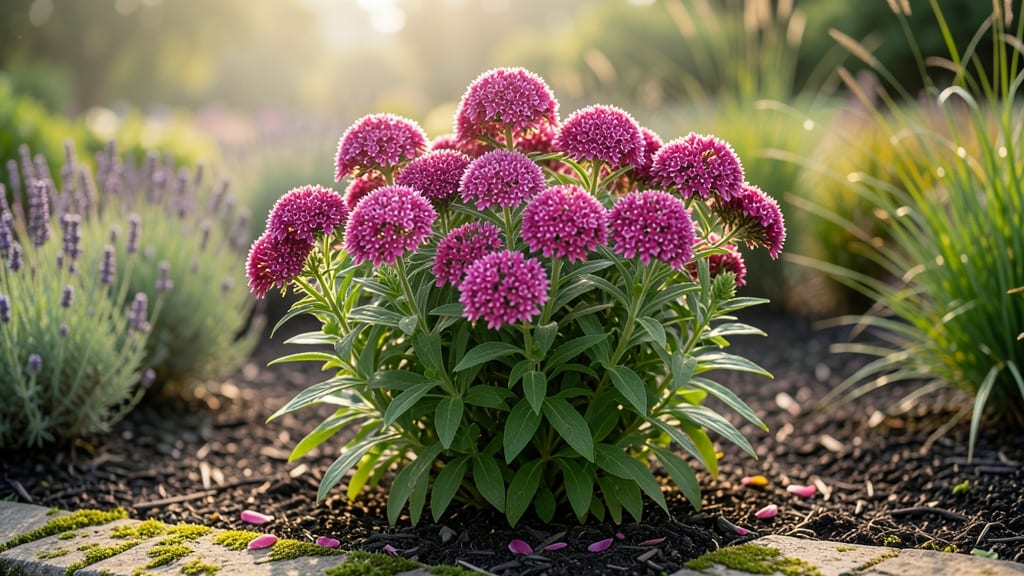
Garden phlox don't bloom all summer—they typically flower from mid-to-late summer (June–August), though some varieties may rebloom into early fall (September) with proper care. Deadheading and consistent maintenance can significantly lengthen their display.
Garden phlox are summer stars, but their peak bloom window is usually June through August, depending on your region. 🌸 The key to extending their show is deadheading—snipping off spent blooms encourages new flowers to form.
I've seen some late-season varieties like 'David' or 'Blue Dawn' push their blooming into September with regular care, but don't expect nonstop color through the entire summer. Instead, think of them as a vibrant mid-to-late summer highlight in your garden.
What makes this timing work so well is how phlox respond to daylight changes. As days grow shorter in early fall, most varieties naturally wind down, but with proper pruning and fertilizer, you can coax a second round of blooms.
The trick is removing faded flowers consistently and keeping the soil moist but not waterlogged—this balance is what keeps them flowering longer.
💡 In This Article
- Phlox Bloom Seasons: Exact Months by Variety
- Reblooming Phlox: Tricks to Extend Summer Flowers
Phlox bloom seasons: exact months by variety
Garden phlox bloom in distinct seasonal windows depending on their type. Tall garden phlox, like the classic 'David' variety, typically burst into color from late June through August, with peak performance in July.
These varieties thrive in full sun and respond dramatically to warm temperatures, often reaching heights of 2-4 feet with dense clusters of blooms.
Border phlox, such as 'Lipstick' or 'Blue Dawn,' tend to bloom slightly later, from mid-July to early September, making them ideal for extending your summer color palette.
The timing of phlox blooms is closely tied to daylight hours. Phlox are short-day plants, meaning they flower in response to decreasing daylight in late summer. This is why they rarely bloom before June—they need the longer daylight of summer to establish strong growth before responding to shorter days.
In cooler northern climates, blooms may start as early as early June, while in warmer southern regions, they might not peak until late July. The transition from summer to fall triggers their natural blooming cycle, which is why you'll see them shine brightest during this shift.
Woodland phlox, like Phlox divaricata, have a different rhythm—they bloom much earlier in late spring to early summer (April–May) and then again briefly in late summer. This makes them unique among phlox varieties. Their early blooms provide spring color, while their late-season show gives a subtle second act.
The difference comes from their native woodland habitats where they experience different light conditions compared to open garden phlox. This dual-blooming pattern is what makes woodland phlox so special for gardeners seeking year-round interest.
Regional climate plays a huge role in bloom timing. In USDA Zone 5, where winters are cold, phlox often bloom 2-3 weeks later than in Zone 8, where mild winters allow earlier growth. The 10°F temperature difference between these zones can delay or advance blooming by weeks.
Even within the same zone, microclimates matter—phlox in sheltered spots may bloom earlier than those in exposed areas. This is why gardeners in colder regions sometimes see their phlox bloom in early July while neighbors in warmer microclimates see them start in late June. 🌿
One fascinating detail is how phlox blooms open sequentially along their stems. The lower buds open first, followed by those higher up, creating a wave of color that lasts 3-4 weeks per stem.
This staggered blooming is nature's way of extending the show—each new bud provides fresh color as the lower ones fade. In my own garden, I've noticed that 'Starfire' phlox, with its fiery red blooms, maintains this pattern beautifully, giving me 4-5 weeks of continuous color when properly cared for.
For gardeners in cooler climates, the first frost often signals the end of phlox blooming season. However, in milder regions like Zone 9 or 10, some late-blooming varieties like 'Olympic Flame' can continue producing flowers until early October.
The key difference is that these regions experience fewer temperature drops below 50°F, which is the threshold where phlox typically enter dormancy. This regional variation is why phlox are such adaptable plants—they can be tailored to different climates with the right variety selection.