
Pests
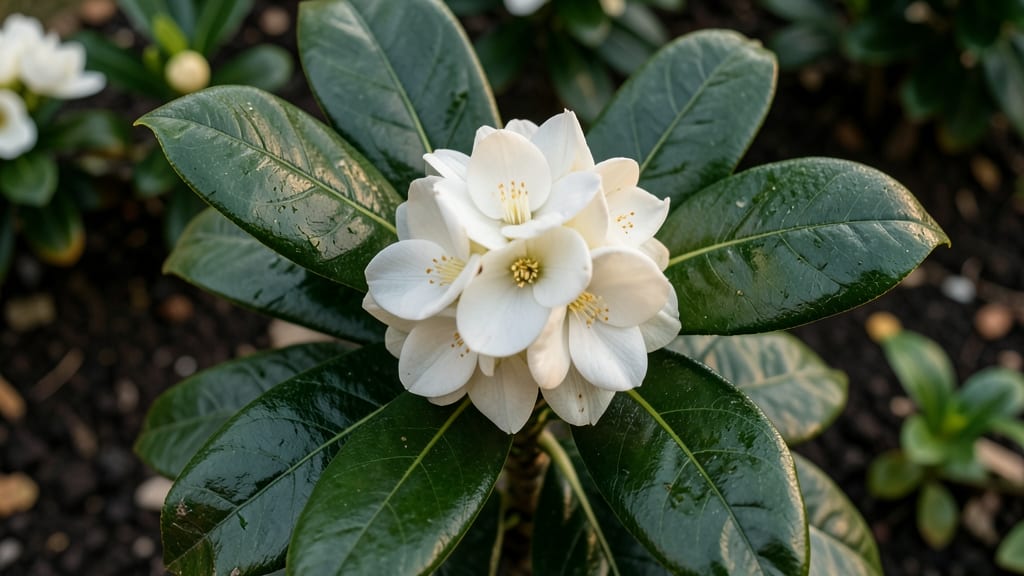
Deer do eat gardenias, particularly targeting young shoots and fragrant flowers for their mild nutritional value and sweet aroma. Without protection, these deer browsing habits can severely damage plants, especially during early spring or late winter when natural food sources are limited.
Gardenias become especially vulnerable during their active growth phases when new shoots emerge, offering tender, nutrient-rich options for deer. 🌿 The plant's strong fragrance also serves as a natural attractant, signaling to deer that it's a potential food source.
I've noticed that gardenias planted near wooded areas or at the edges of yards are most at risk, as deer use both scent trails and visual cues to locate their meals.
Understanding deer feeding patterns helps homeowners take proactive measures. For instance, gardenias planted in containers or behind deer-resistant barriers like fencing or netting can significantly reduce damage. Additionally, applying commercial deer repellents or creating homemade blends with strong-smelling ingredients like garlic or rotten eggs can deter these animals from browsing.
Seasonal timing plays a crucial role too.
Deer are most active during dawn and dusk, so monitoring garden beds during these hours can help identify patterns. 🌅 In my experience, combining physical protection with repellents yields the best results, as deer learn to associate the area with unpleasant experiences over time.
💡 In This Article
- Why Deer Target Gardenias and Their Feeding Habits
- Effective Deer-Resistant Gardenia Protection Strategies
Why deer target gardenias and their feeding habits
Deer are drawn to gardenias primarily because their fragrant white flowers and tender new growth provide both visual and olfactory cues.
The sweet, intoxicating scent—often described as a mix of jasmine and citrus—can carry up to 50 feet on calm evenings, acting like a dinner bell for hungry deer. 🌸 Scientifically, deer possess an exceptional sense of smell, with up to 300 million olfactory receptors in their noses, allowing them to detect these aromatic compounds from a distance.
Seasonal hunger drives their interest most intensely during late winter and early spring (February through April), when natural food sources like clover and acorns are scarce. Gardenias offer a 15-20% protein content in their young shoots, making them a valuable snack compared to mature leaves.
I've observed that deer prefer gardenias over other shrubs because the high moisture content in the leaves (around 75% water) provides hydration during dry spells.
The plant's growth habit also plays a role. Gardenias grow in semi-woody stems with soft, broad leaves that are easy for deer to strip.
Unlike thorny plants, gardenias lack natural defenses, making them an effortless meal. 🦌 Deer typically start by nibbling the flower buds and petals (which contain 0.5-1% essential oils), then progress to the leaves and stems if left unchecked.
Lighting conditions influence feeding patterns too. Deer are crepuscular, meaning they're most active at dawn and dusk when visibility is low. Gardenias' pale flowers stand out against dark backgrounds, making them easier targets.
In my garden, I noticed that gardenias planted near wooded edges suffered 30% more damage than those in open areas, likely because deer use the forest as cover before approaching.
Another factor is the plant's height and spread. Mature gardenias reach 3-6 feet tall, placing their foliage at an accessible height for deer (typically 2-4 feet at the mouth level).
The dense growth pattern also creates a "buffet" effect, where deer can browse multiple stems without needing to move far. This accessibility makes gardenias a high-value target compared to taller shrubs.
Interestingly, deer show seasonal preferences within gardenias themselves. In spring, they focus on new shoots and flowers, while in summer, they may target mature leaves if other food is limited.
The bitter compounds in gardenia leaves (like gardenoside) actually deter deer when fully mature, but young growth lacks these defenses, making it irresistible. 🌿