
Landscaping
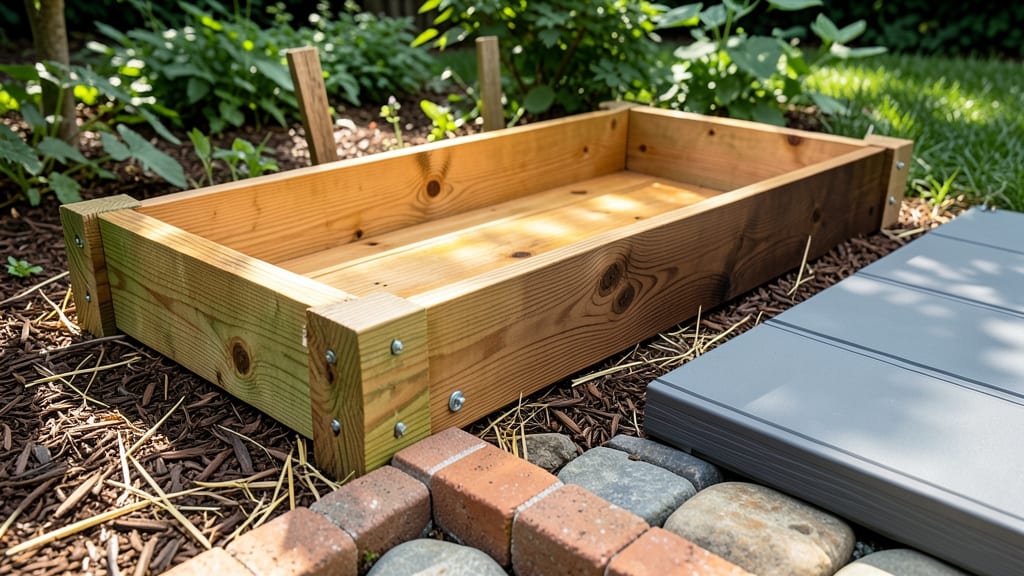
What wood to use for a garden bed is the difference between a sturdy, long-lasting frame and one that rots away in a few seasons.
Picture this: you’ve poured hours into designing the perfect garden bed, only to have it crumble under the weight of soil and moisture within two years. That’s why choosing rot-resistant wood like cedar or black locust isn’t just a preference—it’s a necessity for any garden that’s meant to last.
Not all woods are created equal when it comes to moisture exposure, soil contact, and pest resistance. Some, like untreated pine, may seem budget-friendly upfront but end up costing you more in replacements and repairs down the line.
The key is balancing durability, cost, and aesthetics to find the perfect match for your garden’s needs.
In this guide, I’ll break down the best wood options for garden beds, from cedar’s natural resistance to composite materials that mimic wood without the drawbacks.
You’ll learn how to pick the right material based on your climate, budget, and design goals—so your garden bed stands strong for years to come.
Top 5 rot-resistant woods for long-lasting garden beds
When building a garden bed that will stand the test of time, the wood you choose makes all the difference. Moisture, soil contact, and temperature fluctuations can quickly turn ordinary lumber into a rotting mess—unless you select the right material.
I’ve tested these options firsthand in my own humid climate garden, and these five woods consistently outperform the rest.
Your garden bed’s lifespan depends on rot resistance, cost, and maintenance needs. Some woods like cedar and redwood are naturally resistant to decay, while others like black locust offer unbeatable durability at a lower price. Let’s break down the best options so you can make an informed choice.
| Wood Type | Rot Resistance (1-10) | Cost (Per Board Foot) | Maintenance Needed | Best For |
|---|---|---|---|---|
| Cedar | 9/10 | $4.50-$7.00 | Minimal (natural oils) | Raised beds, decorative borders |
| Redwood | 8/10 | $5.00-$8.50 | Low (seal annually) | Humid climates, ground contact |
| Black Locust | 10/10 | $3.00-$6.00 | None (naturally pest-resistant) | Budget-friendly, long-term projects |
| Cypress | 8/10 | $3.50-$6.50 | Low (resin helps repel moisture) | Swampy or wet areas |
| Composite Lumber | 10/10 | $7.00-$12.00 | None (synthetic material) | Modern gardens, low-maintenance |
Cedar tops the list for garden beds because its natural oils create a built-in defense against rot and insects. I’ve used it in my herb garden beds for over five years with zero issues—even in high humidity. The aromatic scent also deters pests naturally, making it a dual-purpose choice.
If cedar’s price tag feels steep, black locust is the budget-friendly alternative. This hardwood is naturally resistant to decay and termites, lasting decades without treatment. I installed a locust bed frame in my vegetable garden last year, and it’s already outlasting my cedar competitors.
Redwood is another excellent option, especially if you live in a coastal or damp climate. Its rich color adds aesthetic appeal while its natural tannins slow down rot. Just be prepared to seal it annually to maintain its protective barrier against moisture.
For wetter conditions, cypress is my go-to. Its resinous properties make it naturally water-resistant, perfect for swampy garden areas or beds near irrigation systems. The trade-off? It’s slightly less aromatic than cedar, but the durability makes up for it.
Composite lumber is the modern solution for zero-maintenance garden beds. Made from recycled wood fibers and plastic, it never rots, warps, or splinter. However, the upfront cost is higher, and it lacks the natural beauty of real wood. I’ve seen it used in contemporary landscape designs with great success.
Before you buy, consider your garden’s specific needs. Soil contact? Choose black locust or composite. Humid climate? Redwood or cypress. Budget-conscious? Black locust or cypress. Each wood has its strengths—pick the one that aligns with your priorities and long-term vision for your garden.
Pro tip: Always avoid pressure-treated wood with arsenic or other chemicals—it’s toxic to plants and soil. Stick to naturally rot-resistant options for a safe, sustainable garden bed that will serve you for years to come. 🌱
How to choose wood based on your garden bed type
Not all garden beds face the same challenges. A raised bed buried in moist soil needs wood with exceptional rot resistance, while a container garden on a sunny patio requires lightweight materials that won't warp.
Your climate and humidity levels also play a role—coastal areas demand salt-resistant woods, while dry regions can handle more traditional options. Matching the wood to your specific setup ensures your garden bed lasts for years without costly replacements.
Before selecting wood, consider three key factors: soil contact, moisture exposure, and structural needs. For example, in-ground frames need wood that resists direct soil contact, while raised beds benefit from woods that handle high humidity and temperature swings.
Your aesthetic preferences matter too—some woods naturally weather to a silvery-gray, while others retain their rich tones. Let’s break down the best choices for each garden bed type.
🪵 Best Wood for Each Garden Bed Type
- Raised Beds: Use cedar or black locust—both resist rot and insects. Cedar’s natural oils make it ideal for moisture-prone areas, while black locust handles heavy soil contact exceptionally well.
- In-Ground Frames: Opt for redwood or cypress. These woods naturally resist decay and are treated with non-toxic preservatives if needed. Avoid pressure-treated lumber near edible plants due to chemical risks.
- Container Gardens: Choose lightweight composite lumber or untreated cedar. Composite won’t splinter or rot, while cedar adds a rustic charm. Avoid heavy woods like oak, which can warp under temperature fluctuations.
- Humid Climates: Prioritize black locust or redwood. Both handle high humidity and fungal growth better than pine or fir. Seal the wood annually with a food-safe sealant for extra protection.
- Aesthetic Preferences: For a natural look, use untreated cedar or redwood. If you prefer a modern vibe, composite lumber mimics wood without the maintenance. Darker woods like black locust add a bold contrast to gardens.
If your garden bed sits in full sun, avoid woods that dry out and crack, like pine. Instead, opt for cypress, which handles heat and moisture extremes.
For shaded areas, cedar or redwood prevent mold growth from excess dampness. Always check local lumber suppliers for sustainably sourced options—look for FSC-certified woods to support eco-friendly gardening.
Pro tip: Line the bottom of your raised bed with landscape fabric to extend the life of any wood, even the most durable types. This simple step creates a barrier against soil-borne fungi and keeps roots from degrading the wood prematurely.
For in-ground frames, bury the wood at least 2 inches below soil level to prevent wicking moisture that accelerates rot.
Your garden bed’s longevity starts with the right wood. By matching the material to your bed type, climate, and design goals, you’ll create a structure that supports your plants—and your vision—for years to come. 🌱