
How To
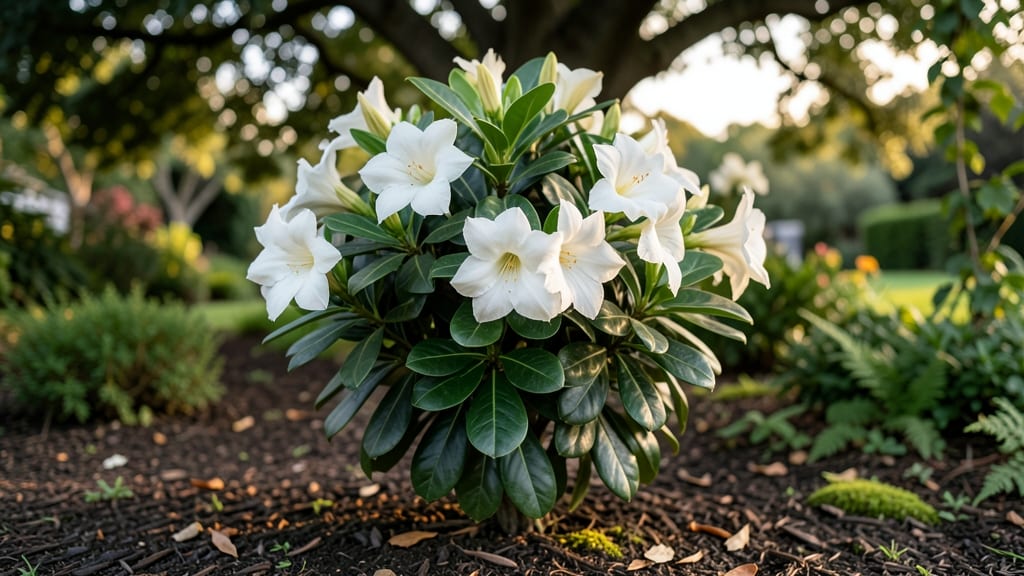
Gardenias how tall do gardenias grow to heights between 1 and 6 feet, depending on the variety and growing conditions — a range that can make all the difference in your garden layout.
Picture this: a compact dwarf gardenia 🌸 adding delicate fragrance to a small patio, while a sprawling climber drapes over a trellis like a living curtain.
The same plant can look like a shrub or a vine, which is why knowing the exact height of your chosen cultivar is the first step to avoiding crowded borders or wasted space.
Most gardenias hit their mature height within 3 to 5 years, but factors like pruning, sunlight, and soil pH can stretch or shrink that timeline significantly. Too much shade? Expect leggy, underwhelming growth. Too little pruning? Those 6-foot giants can quickly outgrow their welcome.
In this guide, I’ll break down the height ranges of popular varieties, share pruning secrets to keep them in check, and reveal the one care habit that makes all the difference in their size.
Whether you’re planning a fragrant hedge or a single statement plant, you’ll know exactly what to expect.

Gardenia height variations by variety: from dwarf to giant
When planning your garden, knowing how tall gardenias grow is essential—especially since some varieties can become towering giants while others stay neatly compact. The Gardenia jasminoides family includes shrubs that range from dwarf varieties under 2 feet to sprawling climbers reaching 20+ feet.
Choosing the right type ensures your garden's layout accommodates both their mature size and growth habits.
Most gardeners focus on standard shrub varieties like 'Kleim's Hardy,' which max out around 4 feet tall, making them perfect for foundation plantings or mixed borders.
However, if you're working with limited space, dwarf gardenias like 'Radicans' or 'Veitchii' can thrive in containers or small garden beds without overpowering nearby plants.
Here’s a quick look at how height varies by variety, including their growth habits and ideal spacing to prevent overcrowding:
The climbing gardenias, like 'Radicans,' can become massive if left unchecked, often requiring trellises or fences to guide their growth. These varieties are perfect for adding vertical interest to pergolas or arbors, but they need regular pruning to maintain a manageable shape.
In contrast, dwarf varieties like 'Veitchii' are ideal for container gardening or small-space landscapes.
For foundation plantings, taller varieties like 'Fortuniana' (6–8 ft) create stunning backdrops, while bushy types like 'Kleim's Hardy' work beautifully in mixed borders. Always space plants according to their mature size to ensure proper airflow and reduce disease risks.
For example, a 4-foot gardenia needs at least 3 feet of clearance from other plants.
If you're growing gardenias in containers, opt for dwarf or semi-dwarf varieties to avoid root-bound issues. These plants thrive in 15–20 gallon pots with well-draining soil, and their compact size makes them perfect for patio gardens or balcony planters.
Just remember to prune regularly to encourage bushier growth and more blooms.
One common mistake is assuming all gardenias grow the same height. Climbing varieties can easily overtake a small garden if not trained properly, while dwarf types may struggle if planted too close together.
Always check the variety’s mature height before selecting a location—this ensures your gardenias will thrive without becoming a maintenance headache.
For fragrance lovers, taller varieties often produce more blooms, but their height can limit placement options. If you love the sweet scent but need a low-profile plant, dwarf gardenias deliver the same intoxicating aroma in a smaller package.
Pair them with complementary shrubs like dwarf hydrangeas or boxwoods for a cohesive look.
🌸
How to control gardenia height: pruning, training, and site selection
Controlling your gardenia's height starts with understanding its natural growth tendencies. Most gardenias grow 3–6 feet tall at maturity, but some varieties like 'Radicans' can climb to 20+ feet on trellises.
The key to managing height lies in pruning techniques, training methods, and optimal site selection—all of which directly influence how tall your plant will become.
If you're aiming for a compact gardenia, focus on regular pruning and partial shade placement. For climbing varieties, use trellises or stakes to guide growth vertically.
Even a single pruning session can reduce height by 20–30% while encouraging bushier, more fragrant blooms. Let’s break down the best strategies for each scenario.
- 1 Dwarf varieties like 'Kleim's Hardy' stay under 3–4 feet with minimal pruning, ideal for container gardening or border plantings.
- 2 Standard shrubs (e.g., 'Mystery') reach 4–6 feet—prune after flowering to maintain shape and control height.
- 3 Climbing types (e.g., 'Radicans') need trellises or arbors to reach 10–20 feet, but prune new growth to prevent overcrowding.
- 4 Full sun exposure (6+ hours) encourages taller, leggier growth, while partial shade (4–6 hours) promotes compact, bushier habits.
- 5 Acidic soil (pH 5.0–6.0) and well-draining conditions prevent stunted growth, while nutrient deficiencies (e.g., iron) can reduce height by up to 50%.
For seasonal pruning, time your cuts carefully. Prune right after flowering (late summer) to shape the plant without sacrificing next year’s blooms. Use clean, sharp shears to make cuts at a 45-degree angle just above a leaf node.
This encourages new lateral growth, which keeps your gardenia fuller and shorter.
If your gardenia is already too tall, don’t panic—gradual pruning works best. Trim 1/3 of the tallest stems in early spring to stimulate bushier growth. Avoid heavy pruning in fall or winter, as this can stress the plant and reduce flowering.
For climbing varieties, train vines along a trellis or fence and prune excessive lateral shoots to maintain vertical growth.
Site selection plays a huge role in controlling height. Plant gardenias in partial shade (morning sun + afternoon shade) to slow vertical growth and promote denser foliage.
In full sun, gardenias may grow taller and leggier, so pair them with taller companion plants (like bamboo or hydrangeas) to create a balanced look. Always ensure well-draining, acidic soil—poor soil conditions can stunt growth or lead to weak, spindly stems.
Remember, consistency is key. Combine pruning, training, and optimal site conditions to achieve your desired height. With the right approach, you can enjoy fragrant, manageable gardenias that fit perfectly in your garden’s design—whether you prefer a compact hedge or a towering trellis display. 🌿✂️🌸