
Container Gardens
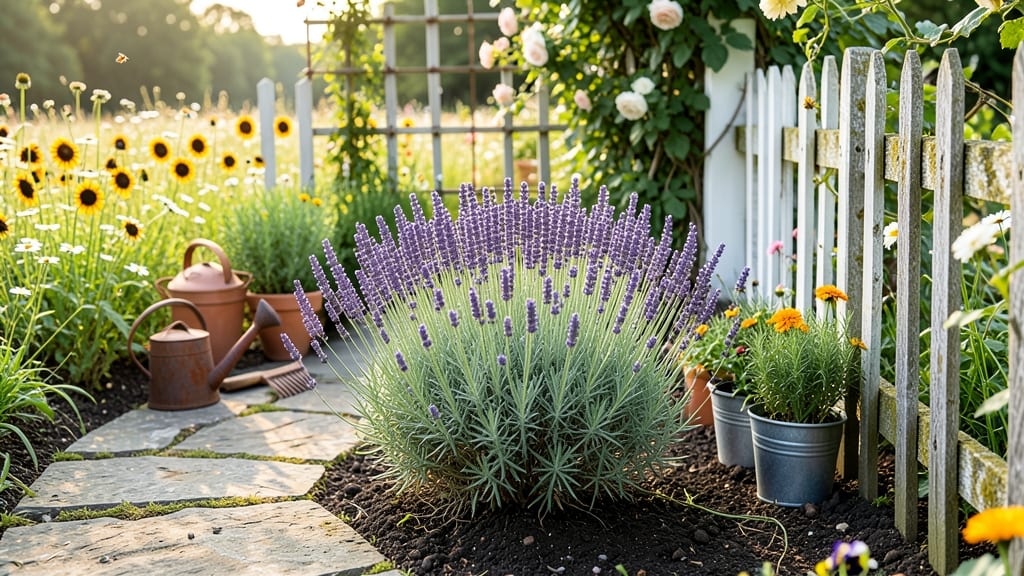
Creating a cottage garden in Waupaca, WI means blending hardy native perennials like bee balm, coneflowers, and columbine with seasonal annuals such as impatiens and marigolds to attract hummingbirds. Incorporate rustic stone paths, trellises, and varied plant heights for a charming, low-maintenance look that thrives in Wisconsin's Zone 4 climate.
A cottage garden in Waupaca thrives by leveraging Wisconsin's native plants, which naturally attract pollinators like hummingbirds with their nectar-rich blooms. 🌸 The key is layering plants of different heights and bloom times—think tall coneflowers paired with low-growing creeping thyme—to create visual interest year-round.
I've found that adding a few evergreen shrubs, such as boxwood or dwarf juniper, provides structure even in winter, while mulching with wood chips helps protect roots during harsh Zone 4 winters.
For a truly low-maintenance approach, focus on drought-tolerant perennials like black-eyed Susans and lavender, which require minimal watering once established. Adding a small water feature, like a birdbath or shallow fountain, can also draw in hummingbirds and other wildlife while adding a soothing garden element.
The rustic charm comes from mixing textures—rough stone paths, wrought-iron trellises for climbing roses, and driftwood accents—all while keeping the color palette soft and natural.
💡 In This Article
- Best Hummingbird-Friendly Plants for Waupaca’s Climate
- Designing a Low-Maintenance Cottage Garden for Wisconsin
Best hummingbird-friendly plants for Waupaca’s climate
Hummingbirds are drawn to plants with tubular, nectar-rich flowers that provide both food and energy.
In Waupaca’s Zone 4 climate, native species like bee balm (Monarda fistulosa) and cardinal flower (Lobelia cardinalis) are top choices because their bright red blooms produce high-sugar nectar—up to 25% sucrose concentration, which is nearly twice the sweetness of honey.
These plants also bloom in late summer when many other flowers have faded, offering critical fuel for migrating hummingbirds.
The key to attracting hummingbirds lies in creating a seasonal bloom cycle. Start with early bloomers like columbine (Aquilegia canadensis), which flowers in spring and provides nectar when hummingbirds first arrive.
Then layer in mid-season bloomers like coneflowers (Echinacea purpurea), which produce 1,000-1,500 flowers per plant and attract pollinators for weeks. Finish with late-season stars like butterfly weed (Asclepias tuberosa), whose orange blooms thrive in dry conditions and continue flowering until frost.
Color plays a surprising role too—hummingbirds are particularly drawn to red, orange, and pink hues, which they can see more clearly than other colors.
While many gardeners assume red flowers are essential, purple and blue flowers (like wild bergamot, Monarda fistulosa) also attract hummingbirds because they reflect ultraviolet light, which these birds can detect. Planting a mix of colors ensures continuous activity in your garden, even when some flowers fade.
Don’t overlook the importance of plant placement. Position hummingbird magnets near water sources or perches (like small branches or trellises) so birds can rest and refuel. I’ve noticed that hummingbirds prefer gardens with open, sunny areas interspersed with partial shade—this mimics their natural habitat in Wisconsin’s woodlands and meadows.
Adding a few annuals like impatiens or salvia can bridge gaps between perennial blooms, ensuring nectar is always available.
For maximum impact, group 3-5 plants of the same species together to create a "feeding station." This clustering makes it easier for hummingbirds to locate nectar and increases their chances of finding your garden.
For example, a cluster of 5-7 bee balm plants will produce enough nectar to sustain a hummingbird for 10-15 minutes per visit, which is crucial during their high-energy migrations.
One often-overlooked detail is the flower shape. Hummingbirds have long, slender beaks and tongues that fit perfectly into tubular flowers.
Plants like trumpet honeysuckle (Lonicera sempervirens) or coral honeysuckle (Lonicera sempervirens 'Dropmore Scarlet') are ideal because their 2-3 inch long tubes force hummingbirds to hover closely, increasing their exposure to pollen. This mutualistic relationship benefits both the plant (which gets pollinated) and the bird (which gets fed).
Finally, avoid pesticides—even natural ones—since they can harm hummingbirds and their food sources. Instead, embrace companion planting, like pairing marigolds with tomatoes, to deter pests naturally.
A well-planned cottage garden in Waupaca doesn’t just look beautiful; it becomes a vital stopover for these tiny, energetic visitors during their incredible migrations. 🌿