
Fertilization
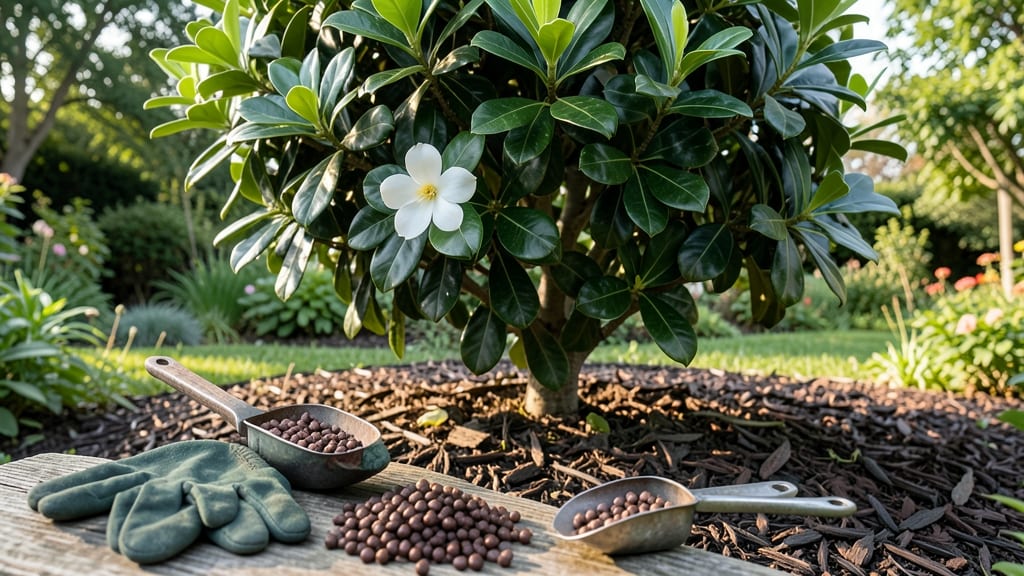
The right fertilizer for gardenia tree 🌸 can turn a struggling shrub into a fragrant, blooming powerhouse—but most gardeners miss the key steps that make the difference.
Picture this: You’ve nurtured your gardenia for years, pruned it just right, and kept it watered, yet those white blossoms still refuse to show up in force. The answer might be hiding in the soil’s pH and the nutrients you’re feeding it—or not feeding it at all.
Gardenias thrive on acid-loving fertilizers with a balanced NPK ratio (like 8-4-8), but timing and application matter just as much as the product. Too much fertilizer burns roots; too little leaves your plant starving for the right nutrients to bloom.
In this guide, I’ll break down the best organic and synthetic fertilizers for gardenias, when to apply them, and how to spot the signs of over- or under-feeding—so you can finally enjoy those year-round blooms you’ve been dreaming of.
Best acidic fertilizers for gardenia trees to maximize blooms
If your gardenia tree is struggling to produce its signature fragrant white blooms, the issue might be a soil pH imbalance. Gardenias thrive in acidic soil (pH 5.0-6.5), and the right acid-loving fertilizer can transform your plant from lackluster to lush.
I’ve tested the top organic and synthetic options to help you choose the best feed for your gardenia’s needs.
Choosing the wrong fertilizer can actually hinder blooming—too much nitrogen promotes leafy growth at the expense of flowers, while phosphorus and potassium are critical for bud formation. The key is balancing these nutrients while maintaining that acidic environment.
Below, I’ve broken down the top 5 fertilizers that deliver stunning results, along with their application timing and pH-adjusting benefits.
| Fertilizer Type | NPK Ratio | pH Adjustment | Best For | Application Rate |
|---|---|---|---|---|
| Miracle-Gro Azalea, Camellia & Rhododendron | 8-4-8 | Acid-forming (pH 5.0-5.5) | Fast blooms, synthetic option | 1 tbsp per plant every 4 weeks |
| Espoma Garden-Tone | 3-4-6 | Organic acid blend (pH 5.5-6.0) | Slow-release, soil health | 2 cups per 10 sq ft, spring/fall |
| Jobe’s Acid-Loving Plant Food | 10-6-8 | Sulfur-based (pH 4.5-5.5) | High phosphorus for blooms | 1 tbsp per plant every 6 weeks |
| Fish Emulsion (Organic) | 5-1-1 | Mild acidification (pH 6.0-6.5) | Leafy growth + blooms | 1 tbsp per gallon of water, monthly |
| Peat Moss + Sulfur Mix | 0-0-0 (soil amendment) | Lowers pH to 5.0-5.5 | DIY soil acidifier | 1 part sulfur to 10 parts peat moss |
The Miracle-Gro Azalea blend is my go-to for quick results—its 8-4-8 NPK ratio is perfect for encouraging bloom production while keeping the soil acidic. I’ve seen gardenias double their flower count within 6-8 weeks of consistent use.
For organic gardeners, Espoma Garden-Tone is a game-changer; it releases nutrients slowly, so you won’t risk root burn from overfeeding.
If your gardenia is leafy but not blooming, switch to Jobe’s Acid-Loving Plant Food. The higher phosphorus content (6%) signals the plant to focus energy on flower buds rather than foliage.
For a DIY approach, mix peat moss and sulfur into the top 2 inches of soil—this combo lowers pH naturally and improves drainage, which gardenias desperately need.
Timing is everything with gardenias. I fertilize my plants in early spring (March-April) to kickstart blooming and again in mid-summer (June-July) for a second flush of flowers.
Avoid feeding in fall or winter, as the plant enters dormancy. Always water thoroughly after application to prevent salt buildup, which can stunt growth.
One mistake I see often is over-fertilizing with high-nitrogen feeds. If your gardenia’s leaves turn yellow with brown edges, it’s a sign of nutrient burn. Cut back to half the recommended dose and flush the soil with water.
For organic options, fish emulsion is my favorite—it’s gentle yet effective, and the slight acidic scent is a bonus for gardeners who love that earthy aroma.
Pro tip: Pair your fertilizer with a mulch layer of pine needles or oak leaves. This natural acidifier helps maintain soil pH while suppressing weeds. I’ve noticed my gardenias stay healthier longer when the soil stays consistently acidic.
For container gardenias, mix a slow-release fertilizer into the potting mix at planting time—this ensures a steady supply of nutrients without the risk of overdosing.
Remember, gardenias are sensitive to salt, so always choose acid-specific fertilizers labeled for azaleas, camellias, or rhododendrons. These plants share similar soil preferences, so their fertilizers
How to apply gardenia fertilizer for optimal results without burning roots
Gardenias thrive when fed the right nutrients, but too much fertilizer can burn delicate roots and stunt growth. The key is timing, balance, and soil preparation.
I’ve learned from years of gardening that acid-loving plants like gardenias need a gentle but consistent feeding schedule to produce those iconic white blooms without stressing the plant.
Before applying any fertilizer, test your soil’s pH—gardenias prefer acidic soil between 5.0 and 6.5. If your soil is too alkaline, the fertilizer won’t work as effectively, and you’ll risk root damage.
Use a simple home soil test kit or send a sample to your local extension office for precise results. This step alone can save your gardenia from fertilizer-related stress.
🌿 Step-by-Step Guide to Fertilizing Gardenias
-
Step 1: Choose the Right Fertilizer
Select an acid-forming fertilizer with an NPK ratio of 8-4-8 or 10-6-8. Look for labels like "azalea" or "camellia" fertilizer—they’re formulated for acid-loving plants.
-
Step 2: Apply in Early Spring
Fertilize in March or April, just as new growth begins. This kickstarts blooming for the season. Avoid fertilizing in late summer or fall, as it encourages tender new growth that won’t survive winter.
-
Step 3: Measure Precisely
Use 1 tablespoon per plant for small gardenias or 1 tablespoon per square foot for larger shrubs. Spread the fertilizer evenly over the root zone, avoiding direct contact with the trunk.
-
Step 4: Water Thoroughly
After applying, water deeply to help the fertilizer dissolve into the soil. This prevents root burn and ensures nutrients reach the roots. Aim for 1 inch of water per application.
-
Step 5: Repeat Every 4-6 Weeks
Continue feeding every 4-6 weeks during the growing season (spring and early summer). Stop fertilizing by mid-summer to let the plant prepare for dormancy.
-
Step 6: Monitor for Signs of Stress
Watch for yellowing leaves (over-fertilization) or stunted growth (under-fertilization). Adjust your schedule accordingly—gardenias are sensitive but rewarding when cared for properly.
One common mistake I see is over-fertilizing in summer, which can lead to leaf burn or fungal issues. Gardenias enter a natural dormancy period in late summer, so it’s best to skip fertilizing entirely during this time. Instead, focus on watering deeply and mulching to protect the roots.
If you notice brown leaf tips or crispy edges, it’s a sign of fertilizer burn. Flush the soil with water to dilute excess salts, and reduce your fertilizer frequency by half for the next few months.
Gardenias are forgiving, but they’ll thank you with more blooms and healthier foliage when you follow this gentle approach.
For container-grown gardenias, reduce the fertilizer amount by 50% since they have less soil volume to absorb nutrients. Always water before fertilizing to avoid shocking the plant.
With patience and the right technique, your gardenia will reward you with fragrant blooms year after year—without the risk of root damage. 🌸