
Watering
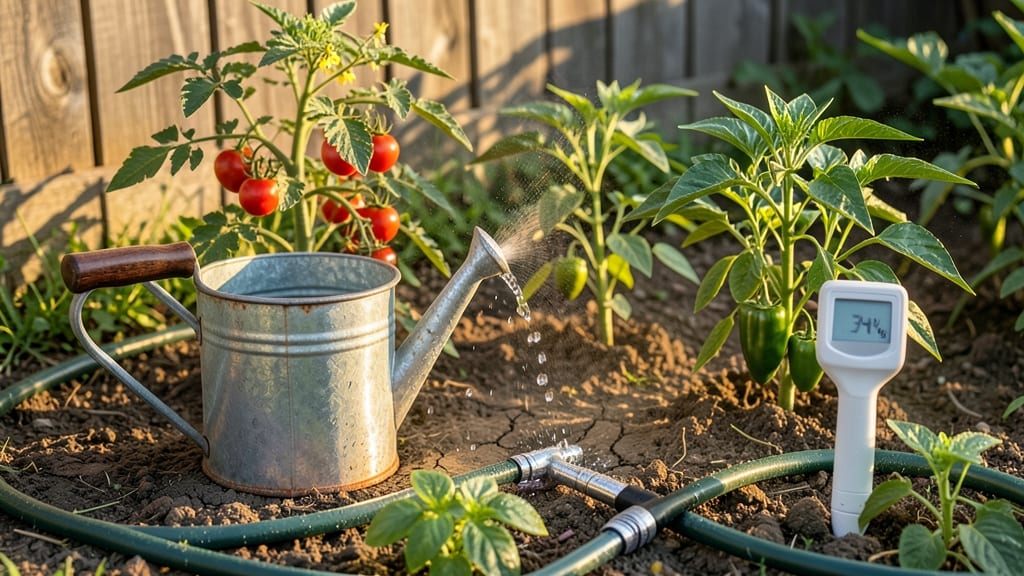
Watering your garden in summer at the right times is the difference between thriving 🌱 plants and a sad, wilted mess.
Summer’s scorching heat can turn your garden into a battleground—unless you master the perfect watering schedule. One wrong move, and you’ll either drown roots or leave plants gasping for hydration.
Most gardeners assume morning is always best, but evening watering has its perks—especially in high-heat zones. The key? Understanding how evaporation, fungal risks, and root absorption play out by the clock.
Below, I break down the science behind morning vs. evening watering, how often to water for different plants, and the one trick that saves water without stressing your garden.


Morning watering vs. evening watering: which wins for summer plant health?
Summer’s intense heat forces gardeners to make critical decisions about watering times. The difference between morning and evening watering isn’t just about convenience—it’s about plant survival. Science shows that evaporation rates and fungal risks vary dramatically by time of day, directly impacting root health and growth.
When you water in the early morning (before 10 AM), you give plants a full day to absorb moisture while minimizing water loss from evaporation. Evening watering, on the other hand, keeps foliage damp overnight, creating ideal conditions for fungal diseases like powdery mildew.
Let’s break down the key factors to help you choose the best time for your garden.
Evaporation rates peak during midday when temperatures soar. Morning watering ensures 60-70% less water loss compared to evening sessions. For example, a tomato plant watered at 6 AM retains nearly double the moisture it would if watered at 6 PM.
Root absorption efficiency also plays a role. Plants absorb water most effectively when soil temperatures are cooler, which happens in the morning. Deep watering in the morning encourages roots to grow deeper, making plants more drought-resistant over time.
Now let’s compare the two approaches head-to-head to help you decide which works best for your garden’s needs.
| Factor | Morning Watering (6-9 AM) | Evening Watering (6-9 PM) |
|---|---|---|
| Evaporation Loss | Low (60-70% retained) | High (30-40% lost) |
| Fungal Risk | Minimal (foliage dries quickly) | High (wet leaves overnight) |
| Root Absorption | Optimal (cooler soil temps) | Reduced (warmer soil) |
| Best For | Vegetables, herbs, lawns | Succulents, drought-tolerant plants |
| Watering Depth | Deep (1-2 inches) | Shallow (surface only) |
| Pest Attraction | Low (dries quickly) | Higher (standing water) |
For tomatoes and other leafy vegetables, morning watering is the gold standard. These plants thrive with consistent moisture and benefit from the cooler morning air. My basil plants show noticeable wilting by midday if I water them in the evening, while morning watering keeps them perky and productive.
Herbs like rosemary and thyme also prefer morning watering, but they’re more drought-tolerant. If you must water in the evening, do it before sunset to give foliage time to dry. For lawns, early morning watering prevents fungal diseases like brown patch, which thrives in damp evening conditions.
Evening watering has its place, though. In extreme heat zones (like desert climates), watering at dusk can help cool the soil slightly. However, this approach requires immediate drainage to prevent root rot. For most gardeners, though, morning watering wins for both plant health and water efficiency.
Pro tip: Use a soil moisture meter to check absorption rates. If the soil stays dry by mid-morning, you’re not watering deeply enough. Aim for 1-2 inches of moisture per watering session, especially for container plants, which dry out faster.
Remember, the goal is to mimic natural rainfall patterns. Just as rain usually falls in the morning or early afternoon, your watering schedule should follow suit. By choosing the right time, you’ll reduce stress on your plants and keep your garden thriving all summer long.
The ideal summer watering schedule: how often and when to avoid stressing plants
Summer’s intense heat and low humidity demand a precise watering routine to keep your garden thriving. Unlike cooler seasons, plants need deep, infrequent watering—not light sprinkles—that reach their root zones (typically 6–12 inches down).
Skipping this can lead to wilting leaves or root rot, both of which stress plants and stunt growth.
Timing matters just as much as frequency. Watering at the wrong time wastes water, promotes disease, or leaves plants parched by noon. The best window is early morning (6–8 AM), when temperatures are cooler, evaporation is minimal, and roots absorb moisture efficiently.
Evening watering can trap dampness on foliage, inviting fungal infections like powdery mildew.
| Plant Type | Watering Time | Frequency (Summer) | Notes |
|---|---|---|---|
| Vegetables (tomatoes, peppers) | 6–8 AM | Every 2–3 days | Deep watering; mulch helps retain moisture. |
| Herbs (basil, cilantro) | 6–8 AM | Every 1–2 days | Drought-sensitive; avoid wetting leaves. |
| Lawns (cool-season grass) | 6–9 AM | Daily (1–1.5 inches) | Early morning reduces evaporation and fungal risk. |
| Drought-tolerant plants (lavender, succulents) | 6–8 AM or evening | Every 7–10 days | Soak thoroughly; reduce frequency gradually. |
| Flowering plants (roses, hydrangeas) | 6–8 AM | Every 3–4 days | Check soil moisture; avoid overhead watering. |
Adjust your schedule based on weather conditions and soil type. Sandy soil drains quickly, so you may need to water daily during heatwaves, while clay soil holds moisture longer—check the top 2 inches before watering.
Use your finger to test: if it’s dry, it’s time. For drought-prone areas, consider drip irrigation or soaker hoses, which deliver water directly to roots and cut evaporation by up to 30%.
Overwatering is just as harmful as underwatering. Signs include yellowing leaves, mushy stems, or water pooling on the soil surface.
If you notice these, scale back and let the soil dry slightly between waterings. Mulching with 2–4 inches of organic material (like straw or wood chips) locks in moisture and keeps roots cool—critical during 100°F+ days.
For container plants, water when the top 1 inch of soil feels dry. Pots dry out faster than garden beds, so check them daily during heatwaves. Move containers to shadier spots midday to reduce stress, and use self-watering pots if you travel frequently.
Even a 2-day absence can turn a thriving plant into a crispy mess.
Pro tip: Set a weekly reminder to inspect your garden’s moisture levels. Early morning is the best time to spot wilting or pest activity before the heat of the day masks problems. With this schedule, your plants will stay hydrated, healthy, and stress-free all summer long. 🌿💧☀️