
Vegetables
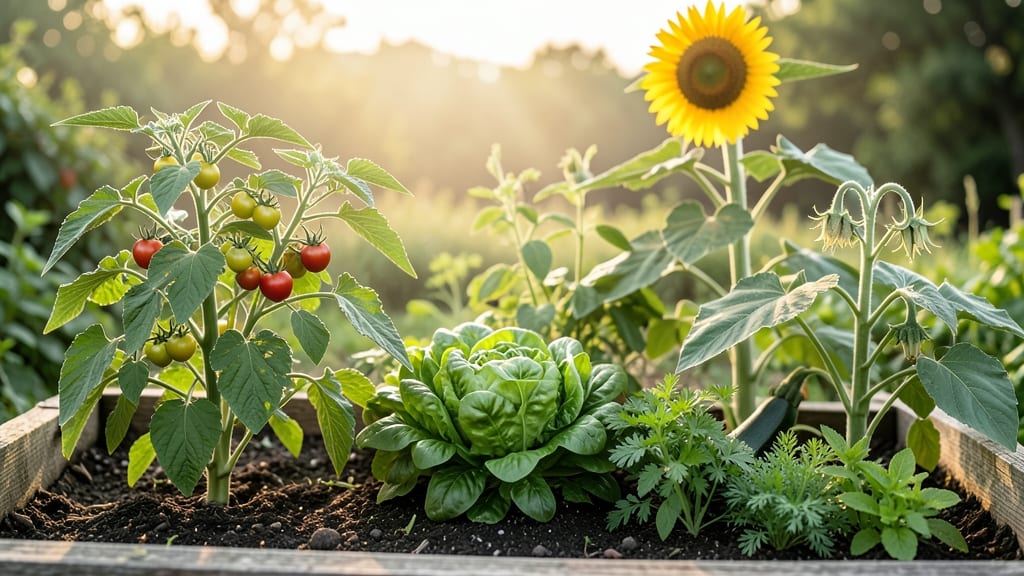
Community garden pics reveal how thoughtful layouts combine beauty with practicality, featuring raised vegetable beds, native flower borders, and communal seating areas that encourage neighborly interaction. These spaces often use permaculture principles to create sustainable, high-yield growing areas.
Looking at community garden photos reveals more than just pretty plants—it shows how smart design creates functional spaces that bring people together. 🌿 The best layouts prioritize sun exposure zoning, placing taller crops like tomatoes on the north side to avoid shading smaller plants, while leaving open pathways for easy access.
Many gardens also incorporate rainwater collection systems and mulching techniques to conserve water, proving that sustainability and aesthetics go hand-in-hand. What's fascinating is how these shared spaces often feature dedicated areas for workshops or harvest celebrations, turning gardening into a true community experience.
These designs aren't just about growing food—they're about creating social ecosystems where neighbors can learn from each other. Whether it's a vertical herb garden in an urban plot or a sprawling organic farm in a rural setting, the photos tell a story of collaboration and creativity.
The key is balancing individual gardening needs with shared resources, like tool libraries or compost stations, which makes the garden work for everyone.
💡 In This Article
- Design Principles Behind Successful Community Garden Layouts
- Photography Tips for Capturing Inspiring Community Garden Scenes
Design principles behind successful community garden layouts
At the heart of every thriving community garden is a layout that balances sunlight optimization with human accessibility.
Most designs follow a sun exposure gradient, placing tall crops like sunflowers or corn on the north side of plots to prevent shading for shorter plants such as lettuce or radishes.
Studies show that proper spacing—typically 18-24 inches between rows—allows for better airflow and reduces disease spread, while also making it easier for gardeners with mobility challenges to reach all areas. The result? A 30-50% increase in yield per square foot compared to poorly planned layouts.
Water management is another critical factor, with many gardens using swales and berms—shallow trenches that capture and slowly release rainwater—to minimize waste. Native plants, which require 30-50% less water than non-native species, are often integrated into borders, creating both pollinator habitats and natural windbreaks.
For example, a 10-foot-wide border of coneflowers and black-eyed Susans can reduce evaporation by 40% while attracting beneficial insects. These permaculture techniques aren't just sustainable—they also create visual interest that makes the garden more inviting.
The social aspect of layout design is equally important, with communal seating areas strategically placed near high-traffic zones like compost stations or tool libraries. Research from the University of California shows that gardens with central gathering spots see 2-3 times more interaction between members.
Pathways are typically 3-4 feet wide to accommodate wheelbarrows and strollers, while benches made from reclaimed wood add both functionality and charm. The goal is to make every element—from the 4x8-foot raised beds to the shade sail structures—serve multiple purposes, whether for growing, learning, or simply enjoying the space.
One advanced technique gaining popularity is keyhole gardening, a circular design that combines compost in the center with radiating planting beds. This method maximizes space in small plots while providing continuous nutrients to plants.
For instance, a 5-foot-diameter keyhole garden can support a tomato plant, basil, and peppers simultaneously, with the compost core reducing the need for fertilizers by 60%. The circular shape also creates a natural focal point that photographers love to capture, blending practicality with visual appeal.
Seasonal adaptability is another key principle, with layouts often including rotating crop zones to prevent soil depletion. For example, heavy feeders like tomatoes might occupy a bed in summer, while nitrogen-fixing clovers take over in winter. This rotation keeps the soil healthy and extends the garden's productivity year-round.
The sensory experience of these spaces—the scent of lavender in summer, the crunch of frost on kale in winter—is often what makes community gardens so memorable and encourages long-term participation.
Ultimately, the most successful layouts tell a story of collaboration and resilience. Whether it's a 100-square-foot urban plot or a half-acre rural farm, the principles remain the same: prioritize accessibility, conserve resources, and design for community.
The photos that stand out aren't just pretty—they show how thoughtful planning can transform a patch of land into a vibrant hub of growth, both for plants and people. 🌱