
Light Requirements
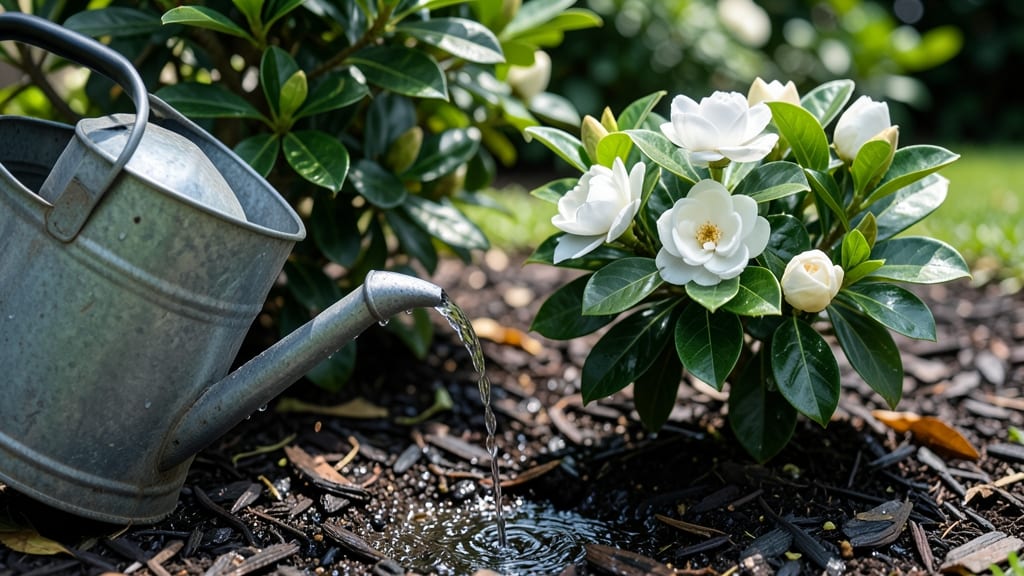
Gardenias need consistent moisture more than they need a lot of water — the key is keeping their soil evenly damp without letting it dry out or become soggy.
Picture this: you’ve spent months waiting for those fragrant blooms, only to watch them wilt because the soil was too dry or, worse, drowned in overzealous watering. The truth? These tropical shrubs thrive on a steady rhythm, not a flood.
In Zone 6, where spring planting begins in April, gardenias crave daily watering until roots establish, then taper to every 2-3 days once settled. But here’s the catch: clay soil holds moisture too long, while sandy soil drains too fast — both can sabotage blooms.
Below, I’ll break down the exact watering schedule by season, how to spot over- or underwatering, and the one trick that mimics their native humidity without a greenhouse.
How much water do gardenias really need for optimal growth?
Gardenias thrive in consistent moisture but despise soggy roots—a common misconception leads many gardeners to drown these tropical beauties. Native to humid, subtropical climates, gardenias mimic their natural environment by maintaining evenly moist soil without waterlogging.
The key isn't "a lot of water" but smart, regulated hydration that balances their thirsty roots with proper drainage.
I’ve learned the hard way that gardenias wilting often signals underwatering, while yellowing leaves or mushy stems scream overwatering. These signs reveal the plant’s delicate watering needs: 1–1.5 inches of water per week during active growth, adjusted for seasonal heat, container size, and soil type.
Let’s break down how to strike that perfect balance for lush blooms and healthy foliage.
📌 Key Insight: Gardenias prefer 60–70% humidity—mimic this with mulch, shade cloth, or pebble trays. Morning watering prevents fungal risks, while evening hydration can trap moisture on leaves, inviting pests. Your goal? Keep roots hydrated without drowning them.
Gardenias hate dry spells—their tropical roots demand steady hydration, but their thick leaves signal distress faster than most plants. Test soil moisture by sticking your finger 1–2 inches deep: if it feels dry, it’s time to water.
Pro tip: Use a moisture meter for precision, especially in containers, where soil dries out 3x faster than in-ground plants.
Seasonal shifts demand watering flexibility. In summer, gardenias may need daily hydration during heatwaves, while winter’s dormancy slashes needs to every 10 days. Overwatering in winter leads to root rot, while skipping water in summer causes bud drop.
Adjust based on your USDA zone—Zone 8+ gardeners will water more frequently than those in Zone 6.
Mulching is your secret weapon. A 3-inch layer of pine bark or shredded leaves retains moisture, mimics the humid forest floor gardenias crave, and regulates soil temperature. Avoid organic mulch like wood chips, which can raise soil pH—gardenias thrive in acidic soil (pH 5.0–6.0).
Pair mulch with a drip irrigation system for consistent, targeted watering that avoids leaf wetting.
Watch for wilting leaves by midday—this isn’t always thirst, but could signal underwatering or root-bound stress. Gently tug on the plant: if it resists, roots are crowded. Repot in spring with well-draining, acidic soil and larger containers (at least 12 inches deep).
Overwatering signs? Yellowing leaves, mushy stems, or fungal spots on foliage. Act fast: trim affected areas, improve drainage, and reduce watering.
Gardenias hate wet feet—ensure pots have drainage holes and in-ground plants are planted on a slight mound to prevent water pooling. If your gardenia’s leaves curl or drop buds, it’s often stress from inconsistent watering.
Stick to a schedule: deep watering every 2–3 days in summer, every 4–5 days in spring/fall, and sparingly in winter. Consistency is key—gardenias reward predictable care with vibrant blooms and glossy leaves.
💧 Pro Tip: Group gardenias with other humidity-loving plants like impatiens or ferns to create a microclimate. Use a humidifier near indoor gardenias or mist leaves daily in dry climates.
The goal? Recreate their tropical home without the guesswork. With the right watering routine, your gardenia will reward you with fragrance-filled blooms all season long.
Step-by-step watering schedule for gardenias by season
Gardenias thrive on consistent moisture, but their water needs shift dramatically with the seasons. Unlike desert plants, they detest dry soil—especially during their peak blooming months. The key is mimicking their tropical origins with deep, infrequent watering that keeps roots hydrated without soggy soil.
Container gardenias dry out faster than in-ground plants, so we’ll adjust for both scenarios.
Your watering routine should prioritize morning sessions to reduce fungal risks and let foliage dry before evening. Always check soil moisture by inserting your finger 2 inches deep—if it feels dry, it’s time to water.
For container plants, lift the pot to gauge weight; a dry pot needs immediate attention. Mulching with 3-4 inches of organic mulch (like pine bark) helps retain moisture and regulates soil temperature.
🌱 Seasonal Watering Guide for Gardenias
- Spring (March-May): Increase frequency as new growth appears. Water every 2-3 days for in-ground plants, daily for containers. Focus on deep watering to encourage root expansion.
- Summer (June-August): Peak watering season! In-ground plants need daily deep watering (1-1.5 gallons per plant). Containers may require twice-daily watering in extreme heat. Avoid wetting leaves to prevent fungal issues.
- Fall (September-November): Reduce to every 3-4 days as temperatures drop. Monitor for yellowing leaves—a sign of overwatering. Container plants still need more frequent watering than in-ground.
- Winter (December-February): Cut back to every 7-10 days unless in frost-free zones. Focus on mulch protection to insulate roots. Containers may need weekly watering if indoors near heat sources.
💧 Pro Tip: Use a moisture meter for accuracy—gardenias hate guesswork watering!
For container gardenias, choose pots with drainage holes and use a well-draining potting mix (like 60% peat moss, 30% perlite, 10% sand). These plants dry out 3x faster than in-ground varieties, so always check soil moisture before watering. A self-watering pot can help maintain consistent moisture during hot spells.
Watch for wilting leaves or dropping buds—both signal underwatering. Conversely, yellowing leaves or mushy stems mean overwatering.
Adjust your schedule based on these visual cues rather than sticking rigidly to the seasonal guide. Humidity lovers, gardenias thrive with 50-70% humidity; use a pebble tray or humidifier near containers in dry climates.
Mulching isn’t just for insulation—it’s a water conservation powerhouse. Apply 3-4 inches of organic mulch (like pine bark or shredded leaves) around the base of your gardenia, keeping it 2 inches away from the trunk.
This layer locks in moisture, reduces evaporation, and keeps roots cool. Replenish mulch annually or after heavy rains to maintain effectiveness.
Remember, gardenias hate soggy soil more than they hate thirst. Always pair watering with well-draining soil and proper drainage systems. If your gardenia’s leaves start curling or buds drop before opening, it’s time to reassess your watering routine.
With this seasonal schedule, you’ll keep your gardenia’s glossy foliage and fragrant blooms thriving year-round. 🌸