
Planting
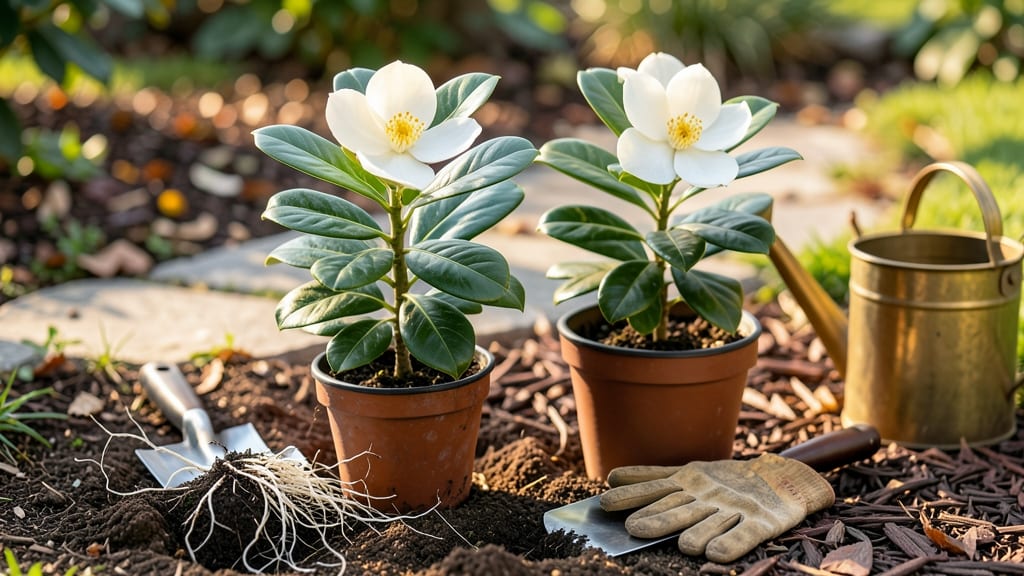
The best time to plant gardenia 🌸 is just after your last frost, when soil temperatures hit 60°F and stay there.
Struggling to keep your gardenia thriving in Southern heat? Timing your planting could mean the difference between a fragrant, blooming beauty and a struggling shrub. In zones 8-11, that window shifts to early spring or even late winter—just as the days start warming up.
Gardenias hate cold snaps, but they also despise the brutal summer sun of the Deep South. Planting too early risks frost damage, while waiting too long can leave roots exposed to extreme heat.
The sweet spot balances both threats, giving your shrub the best shot at establishing strong roots before the real heat arrives.
Here’s how to pinpoint your exact planting window, adjust for your heat zone, and set up your gardenia for lush growth and endless blooms—no guesswork required.

Southern heat zone planting calendar for gardenias: month-by-month breakdown
Planting gardenias in Southern heat zones requires precise timing to ensure they establish strong roots before summer's intense heat arrives.
In USDA zones 8-11, the difference between a thriving gardenia and a struggling one often comes down to when you plant—whether you're working with bare-root plants or container-grown specimens.
Let's break down the ideal planting windows for each zone, including adjustments for transitional areas like Florida's coastal regions or Texas' inland heat.
For gardeners in zones 8-9, where mild winters and hot summers create unique challenges, timing is everything. These zones experience early spring warmth but can also have late frosts that threaten tender new growth.
Meanwhile, zones 10-11 offer year-round growing potential, but gardenias still need careful attention to avoid heat stress during their critical establishment phase.
Here’s your month-by-month guide, tailored to Southern heat zones, including when to plant bare-root vs. container gardenias and how to adjust for regional quirks like Florida’s humid summers or Texas’ dry heat.
| USDA Zone | Best Planting Month | Bare-Root Plants | Container Plants | Key Consideration |
|---|---|---|---|---|
| 8 | March-April | Early March (after last frost) | March-April (anytime) | Watch for late frosts; mulch heavily |
| 9 | February-March | Late February (soil temps 60°F+) | February-April (flexible) | Humidity increases; improve drainage |
| 10 | Year-round | November-January (avoid summer heat) | Any month (best in cooler months) | Provide afternoon shade; increase watering |
| 11 | Year-round | November-February (coolest months) | Any month (best in spring/fall) | Use shade cloth; monitor for fungal issues |
| 🌡️ Regional Adjustments | ||||
| Florida (coastal) | March-April (avoid hurricane season) | March-May (container flexibility) | High humidity; use fungicide preventatively | |
| Texas (inland) | February-March (dry soil preferred) | February-April (water deeply) | Drought stress; mulch 3 inches deep | |
In USDA zone 8, where winters are mild but springs can bring unexpected frosts, aim to plant bare-root gardenias in early March once soil temperatures consistently stay above 60°F.
Container plants offer more flexibility and can be planted through April, giving you a slightly longer window to get them in the ground. The key here is to mulch heavily (3-4 inches of organic mulch) to protect roots from temperature swings.
For zone 9 gardeners, the window opens even earlier—late February to March—when soil temperatures warm up. This zone’s higher humidity means you’ll need to improve drainage by amending soil with perlite or sand.
Container plants can handle the transition better, so if you miss the bare-root window, don’t worry—just plant them in March or early April and keep them well-watered.
Gardeners in zones 10 and 11 enjoy the luxury of planting year-round, but timing still matters. Bare-root plants should go in during the coolest months (November-February) to avoid heat stress, while container plants can handle spring or fall planting with ease.
In these zones, afternoon shade becomes critical, especially during summer months when temperatures can exceed 95°F. Use shade cloth (30-50% shade) to protect young plants.
Regional adjustments are crucial. In Florida’s coastal zones, where humidity is high and hurricane risks peak in late summer, plant March-April to avoid storm damage. Container plants offer flexibility here, but always use a fungicide preventative to combat powdery mildew.
Meanwhile, Texas’ inland zones face drought stress, so plant February-March when soil is dry and mulch 3 inches deep to retain moisture.
One common mistake is planting gardenias too early in zone 8 or 9, where late frosts can still occur. Always check your local frost date averages and wait until temperatures stay above 55°F at night for at least a week.
For container plants, this rule is less strict, but spring planting (March-April) still yields the best results in most Southern climates.
Pro tip: If you’re planting bare-root gardenias, soak the roots in water for 1-2 hours before planting to reduce transplant shock. For container plants, water deeply the day before transplanting to encourage root expansion. Both methods help your gardenia establish faster in the Southern heat.
Remember, gardenias thrive on consistent moisture and acidic soil (pH 5.0-6.5). After planting, maintain 1 inch of water per week (more in summer) and fertilize lightly with an acid-loving plant food in early spring.
With the right timing and care, your gardenia will reward you with fragrant blooms all summer long.
Signs your gardenia planting timing is wrong (and how to fix it)
Your gardenia might be sending you clear distress signals if you planted it at the wrong time. Yellowing leaves, stunted growth, or no blooms often mean the roots didn't establish properly during the ideal window.
Southern gardenias thrive when planted after the last frost but before summer's peak heat—usually April to May in most regions. If you missed this window, don't panic—there are ways to salvage your plant and adjust care for better results.
First, check the soil temperature where you planted. Gardenias prefer 60-70°F soil to root effectively. If you planted in cooler months, the roots may struggle to warm up, leading to poor nutrient absorption and leaf yellowing.
In hotter zones like USDA 10-11, planting in late summer can cause heat stress, making the plant more susceptible to pests and diseases. Timing isn't just about the calendar—it's about matching the plant's needs to your local climate.
Planting gardenias outside April-May risks root shock, fungal issues, or delayed blooming. In USDA zones 8-9, avoid planting after June 15—the heat stresses young roots. For zones 10-11, wait until late summer (August-September) to avoid extreme heat. Test soil temp with a soil thermometer—ideal range is 60-70°F for root growth.
One of the first signs your gardenia was planted too early is leaf drop or brown edges. This often happens when roots can't keep up with new growth due to cold soil or limited sunlight.
If you notice this, trim back any damaged foliage and focus on mulching deeply (3-4 inches of organic mulch) to insulate roots. For gardenias planted too late, you might see wilting leaves or crispy leaf tips—a sign of heat stress.
In this case, provide afternoon shade with a lightweight shade cloth (30-50% coverage) to protect the plant while it establishes.
Delayed or absent blooms are another red flag. Gardenias need 6-8 months to mature and flower after planting. If you planted in late summer or fall, your gardenia may not bloom until the following year.
To encourage blooms, feed with an acidic fertilizer (10-10-10) in early spring (March) and mid-spring (May). Avoid fertilizing in summer—this can lead to leafy growth at the expense of flowers. Prune back any overly leggy growth in late winter to redirect energy toward blooming.
If your gardenia shows stunted growth or weak stems, it may need a seasonal care adjustment. For plants struggling in summer heat, water deeply in the morning (1-2 gallons per plant) and avoid wetting the foliage to prevent fungal diseases like powdery mildew.
In cooler months, reduce watering to prevent root rot in waterlogged soil. Amend the soil with compost or peat moss to improve drainage and acidity—gardenias thrive in pH 5.0-6.5. If the soil is too alkaline, add sulfur or pine needles to lower the pH gradually.
Remember, gardenias are slow growers but reward patience with fragrant blooms. If you suspect poor timing, give your plant extra care for the first 12 months to help it recover. With the right adjustments—like mulching, shade, and proper feedingseason-appropriate care. 🌸