
Flowers
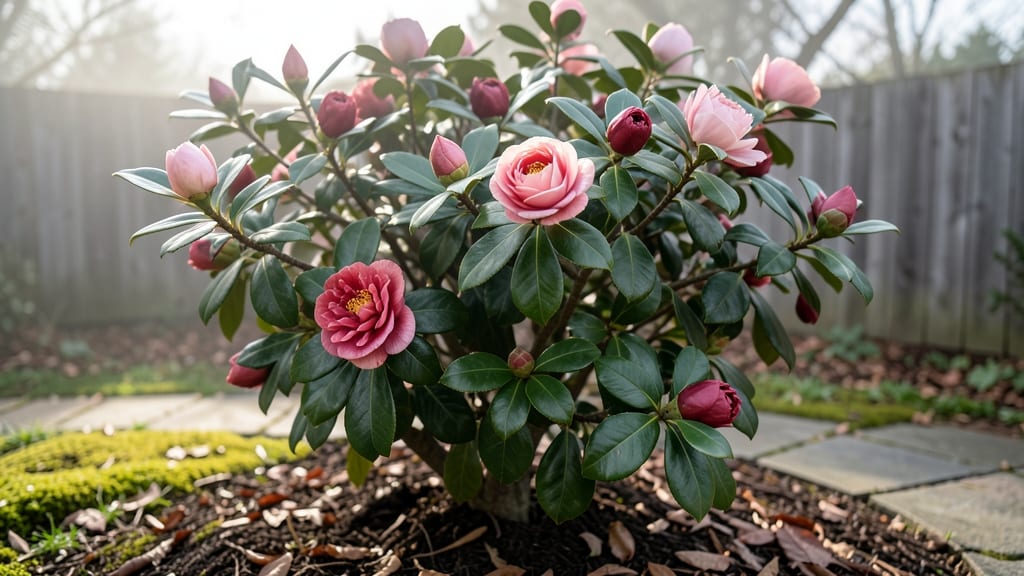
Gibbs Gardens in Ball Ground specializes in seasonal plant sales with rare perennials, native Georgia species, and expertly selected collections, offering climate-specific gardening advice from knowledgeable staff. Their year-round operation makes it a go-to spot for both plant lovers and local gardeners looking for unique varieties and professional support.
This Ball Ground nursery stands out because its plant selection thrives perfectly in Georgia's humid subtropical climate, with a focus on drought-resistant natives that reduce maintenance. 🌿 The staff's deep knowledge of local soil conditions—especially the area's clay-heavy loam—helps customers choose plants that will flourish with minimal fuss.
What's more, their seasonal events often feature rare finds you won't see at big-box stores, like hard-to-find heirloom varieties or regionally adapted species that bloom year-round.
Beyond plant sales, Gibbs Gardens provides hands-on workshops where you can learn pruning techniques tailored to Georgia's growing season. I've found their spring and fall plant fairs particularly valuable for connecting with fellow gardeners and discovering new trends.
The nursery's commitment to sustainability—like using organic potting mixes and composting yard waste—also sets it apart as a responsible choice for eco-conscious shoppers.
💡 In This Article
- What Makes Gibbs Gardens a Top Plant Source in Georgia
- Pro Tips for Shopping and Gardening at Gibbs Gardens
What makes Gibbs Gardens a top plant source in Georgia
Gibbs Gardens thrives because of its deep focus on plants that naturally excel in Georgia's humid subtropical climate, where summer heat and humidity can stress many species.
Their selection prioritizes native perennials like black-eyed Susans and coneflowers, which have evolved to handle the region's 90°F+ summers and clay-heavy loam soil without needing constant irrigation.
Unlike big-box stores that often carry generic varieties, Gibbs Gardens sources plants with proven local success, reducing the trial-and-error common when experimenting with non-native species.
The nursery's expert curation extends beyond just plant selection—staff analyze your specific garden conditions during consultations. For example, they might recommend drought-tolerant sedums for sunny, dry spots or moisture-loving irises for shady areas with poor drainage.
This tailored approach contrasts sharply with online retailers, where you're left guessing about a plant's suitability for your microclimate. Their seasonal plant fairs (especially spring and fall) showcase rare varieties like heirloom daylilies or native azaleas that bloom in Georgia's specific temperature ranges.
What sets them apart is their soil science expertise. Georgia's clay soil can be challenging—it drains poorly when wet and becomes rock-hard when dry. Gibbs Gardens staff often demonstrate how to amend soil with compost or plant in raised beds to create ideal conditions.
They'll even test your garden's pH on-site using portable meters, which is something you won't find at most retail nurseries. This hands-on approach ensures plants thrive from day one, rather than wilt within weeks.
The nursery's sustainability practices also make it unique. They compost yard waste on-site, reducing landfill contributions, and use organic potting mixes free from synthetic chemicals. Their water-wise plant selection helps gardeners reduce irrigation needs by up to 40% compared to thirsty non-natives.
During my visits, I've noticed how their shade-cloth growing tunnels extend the growing season for delicate perennials, allowing them to offer plants year-round rather than just during peak seasons.
Consider this comparison: While Home Depot might carry 10 varieties of petunias, Gibbs Gardens will have 3 native alternatives that bloom longer and require less water. Their rare plant collections often include Georgia-specific varieties like the Appalachian blueberry or southern magnolia cultivars that you won't find elsewhere.
This specialization means you're getting plants that will actually thrive in your yard, not just survive.
For gardeners new to the region, their workshops on Georgia-specific gardening are invaluable. Topics range from pruning for our long growing season to dealing with pests like lace bugs (common in our humidity). The staff's willingness to share these local insights—often based on decades of experience—makes every visit educational. 🌱