
Tools
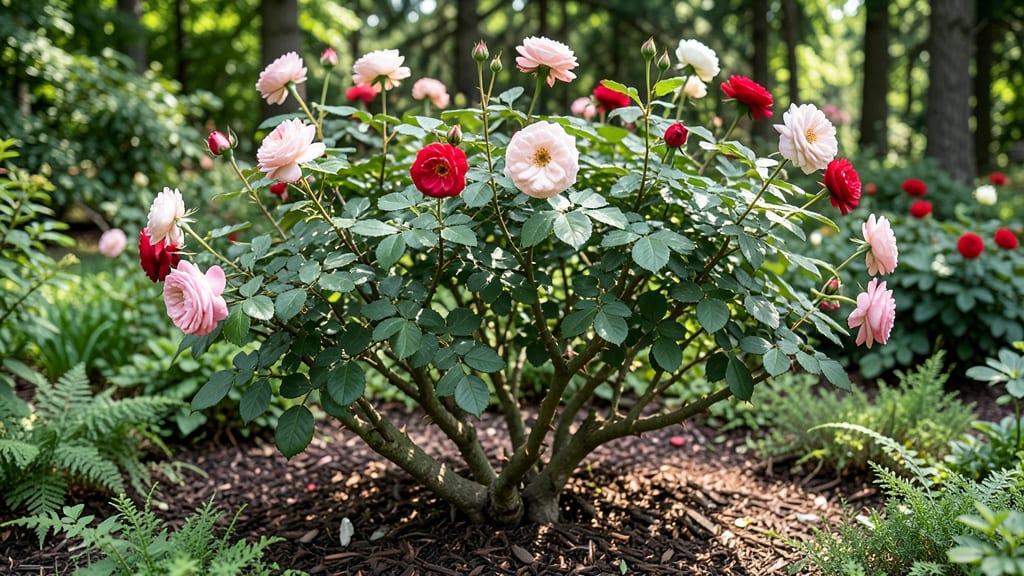
The Woodland Park Rose Garden at North 50th Street in Seattle, WA, is a free public garden open daily from dawn to dusk, featuring over 500 rose varieties and seasonal blooms. Entry is free, but donations support maintenance, and the garden includes hidden paths, benches, and themed rose sections like the Pacific Northwest Native Plant Garden nearby.
The Woodland Park Rose Garden stands out as Seattle’s most vibrant floral showcase, blending horticultural diversity with the city’s lush Pacific Northwest climate. 🌸 With over 500 varieties—including rare David Austin roses and hardy climbers—this garden transforms from a spring highlight into a late-summer spectacle, especially when combined with the adjacent Arboretum’s towering trees.
What makes it special is how thoughtfully designed the pathways are: meandering trails lead visitors past secluded benches perfect for sketching blooms or simply soaking in the scent. The garden’s free entry policy makes it accessible, though the $5 suggested donation helps fund ongoing care for these delicate plants.
Pro tip: Visit on weekdays to avoid weekend crowds, and bring a light jacket—Seattle’s unpredictable weather means even sunny days can turn misty by afternoon. The garden’s quiet corners, like the shaded pergola area, offer ideal spots for photography or quiet reflection.
Whether you’re a rose enthusiast or just seeking a peaceful urban escape, this garden delivers year-round charm.
💡 In This Article
- Exploring Seattle’s Woodland Park Rose Garden Layout and Rose Varieties
- Best Times to Visit Woodland Park Rose Garden for Peak Blooms
Exploring Seattle’s woodland park rose garden layout and rose varieties
The Woodland Park Rose Garden’s design reflects a masterful blend of horticultural science and Pacific Northwest aesthetics.
The garden spans approximately 1.2 acres, organized into distinct sections that highlight different rose types and bloom cycles. 🌸 For instance, the David Austin roses—known for their fragrant, old-world charm—thrive in the garden’s southeastern exposure, where they receive 6+ hours of sunlight daily, a critical factor for their full blooming potential.
These roses, bred to mimic historic varieties, often produce 100+ petals per bloom, creating a lush, almost velvety appearance that contrasts with Seattle’s typically bold, modern architecture.
Climbing roses dominate the garden’s vertical spaces, including a stunning 150-foot-long pergola that arches over a central pathway. Varieties like ‘New Dawn’ and ‘Blaze’ are specifically chosen for their disease resistance and ability to thrive in Seattle’s mild, wet winters (USDA Zone 8a).
The garden also features shrub roses, such as ‘Knock Out’ series, which rebloom continuously throughout the season—a trait that makes them particularly popular among local gardeners.
These roses are strategically placed along the garden’s hidden pathways, where their compact growth allows visitors to walk beneath cascading blooms without obstructing views.
What sets this garden apart is its focus on locally adapted species.
Many roses here are grafted onto Dr. Huey rootstock, which is resistant to the crown gall disease that plagues roses in damp climates. 🌧️ The garden’s Pacific Northwest Native Plant Garden section further emphasizes this adaptation, featuring roses like ‘Seattle Superb’—a hybrid tea developed specifically for Seattle’s climate.
These roses often bloom 2-3 weeks earlier than traditional varieties, extending the garden’s seasonal appeal from late spring through early fall. The careful selection of soil types (a mix of 60% compost, 30% loam, and 10% sand) ensures optimal drainage, preventing root rot while supporting the garden’s diverse flora.
Seasonal variations create a dynamic experience. In spring, the garden bursts with hybrid teas like ‘Double Delight’, while summer showcases grandifloras and floribundas in vibrant hues of pink, yellow, and red.
By early autumn, the shrub roses and climbers take center stage, their late-season blooms providing a striking contrast against the Arboretum’s golden foliage.
The garden’s hidden benches, strategically placed near less crowded areas, offer quiet spots to observe these transitions—ideal for photographers or those seeking a moment of solitude amid the blooms.
For visitors curious about horticulture, interpretive signs detail each rose’s origin, fragrance profile, and care requirements. For example, ‘Mister Lincoln’ roses emit a spicy, myrrh-like scent, while ‘Fragrant Cloud’ releases a light, citrusy aroma—details that enhance the sensory experience.
The garden’s layout also encourages exploration: a looping 0.4-mile trail connects all sections, ensuring even those with limited time can appreciate its highlights.
The pergola area, in particular, serves as a focal point where climbing roses like ‘Zephirine Drouhin’ create a canopy of 5-foot-wide blooms in shades of pink and white.
This section is especially magical during June weddings, when the garden hosts ceremonies beneath the roses’ fragrant arches. 💫 The combination of textural contrasts—smooth petals against rough bark, delicate blooms against sturdy trellises—and the aromatic layers of different rose varieties makes this garden a sensory masterpiece.