
Pests
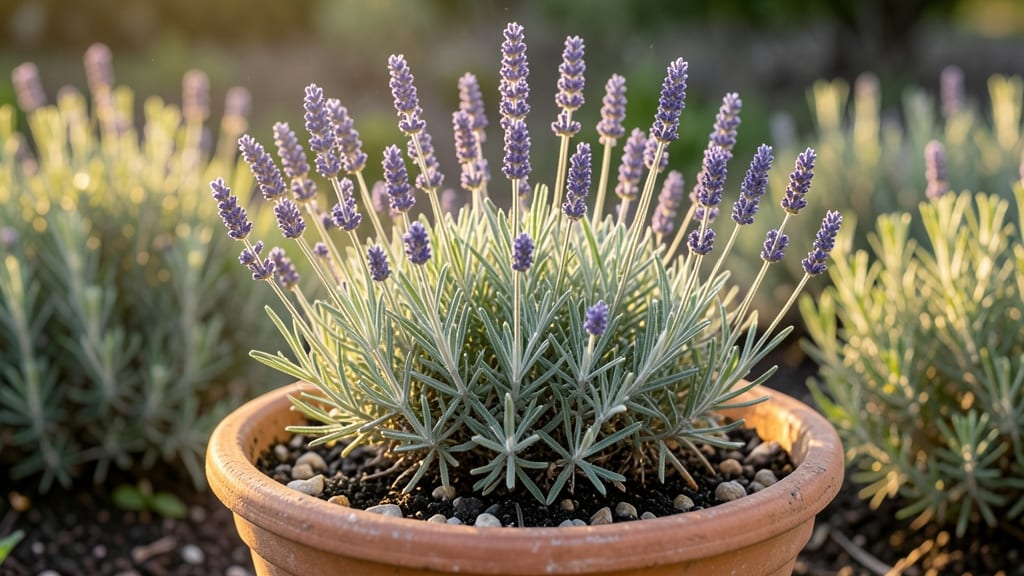
Creating a bee-friendly garden involves planting native flowers like lavender and sunflowers, providing shallow water sources, and eliminating pesticides to support pollinators like honeybees and bumblebees.
Bees are essential garden helpers, and their presence boosts your plants’ growth and fruit production. 🐝 A thriving bee population needs more than just flowers—it requires a safe, chemical-free space with diverse blooming periods.
I’ve found that adding bee balm and coneflowers extends their food supply from early spring through late fall, while leaving bare soil patches helps ground-nesting bees like mason bees thrive.
Beyond plants, water is critical. A simple shallow dish with pebbles keeps bees hydrated without drowning them. Avoiding synthetic fertilizers and neonicotinoids is equally important, as these can harm bees’ navigation systems.
Even small gardens can make a difference—just 10% of your space dedicated to pollinators can transform your yard into a bee haven.
💡 In This Article
- Best Flowering Plants to Attract Bees Naturally
- DIY Bee-Friendly Garden Setup Guide
Best flowering plants to attract bees naturally
Bees are drawn to plants with high nectar and pollen content, particularly those with flat or tubular flowers that make it easy for them to access the rewards.
For example, bee balm (Monarda) produces vibrant red or purple blooms rich in nectar, while borage (Borago officinalis) offers star-shaped flowers packed with pollen—both are favorites of bumblebees.
The key is choosing plants that bloom at different times to ensure a continuous food source, like pairing spring-blooming crocus with summer-loving cone flowers (Echinacea) and fall-blooming goldenrod. 🌸
Native plants are especially effective because bees have co-evolved with them, making them more efficient at pollination. A lavender (Lavandula) bush, for instance, not only attracts bees with its fragrant purple flowers but also repels pests like aphids, creating a self-sustaining ecosystem.
Sunflowers are another powerhouse—their large, open faces provide easy landing spots, and a single sunflower can produce up to 1,000 seeds, which bees help disperse. Even humble clover (Trifolium) plays a role, as its small white or pink flowers are a magnet for honeybees during early spring.
Regional adaptability is crucial—bees prefer plants that thrive in their local climate. For instance, milkweed (Asclepias) is essential in North America for monarch butterflies but also supports bees with its nectar-rich blooms. In drier climates, sage (Salvia) and yarrow (Achillea) are drought-tolerant yet packed with pollen.
Planting in clusters of 3-5 plants creates a visual beacon for bees, making it easier for them to locate and remember food sources. This "mass planting" technique mimics natural wildflower meadows, which bees instinctively seek out. 🐝
Seasonal planning ensures bees aren’t left without resources. Early spring bloomers like crocus and violets kickstart the season, while late summer flowers like asters and goldenrod provide sustenance before winter. Even evergreens like heather (Calluna) offer shelter and occasional nectar in colder months.
The goal is to create a "bloom calendar" that covers at least 8-10 months of the year, minimizing gaps in their diet. This diversity isn’t just beneficial—it’s essential for bee survival, especially in urban areas where natural habitats are scarce.
Don’t overlook ground covers like creeping thyme or wild strawberries, which provide both food and nesting sites. Their low-growing habit allows bees to forage close to the ground, where many species prefer to feed.
Additionally, plants with double blooms (like double dahlias) might look prettier, but they often lack pollen and nectar, making them poor choices for attracting bees. Stick to single-flower varieties for the best results. 🌿
For those in colder climates, consider winter aconite or hellebores, which bloom under snow and offer early-season nectar. Even a small pot of sweet alyssum on a windowsill can attract bees on sunny winter days.
The message is clear: variety, timing, and native species are the trifecta for a bee-friendly garden. By focusing on these principles, you’re not just creating a pretty landscape—you’re building a thriving ecosystem. 🌟