
Plants
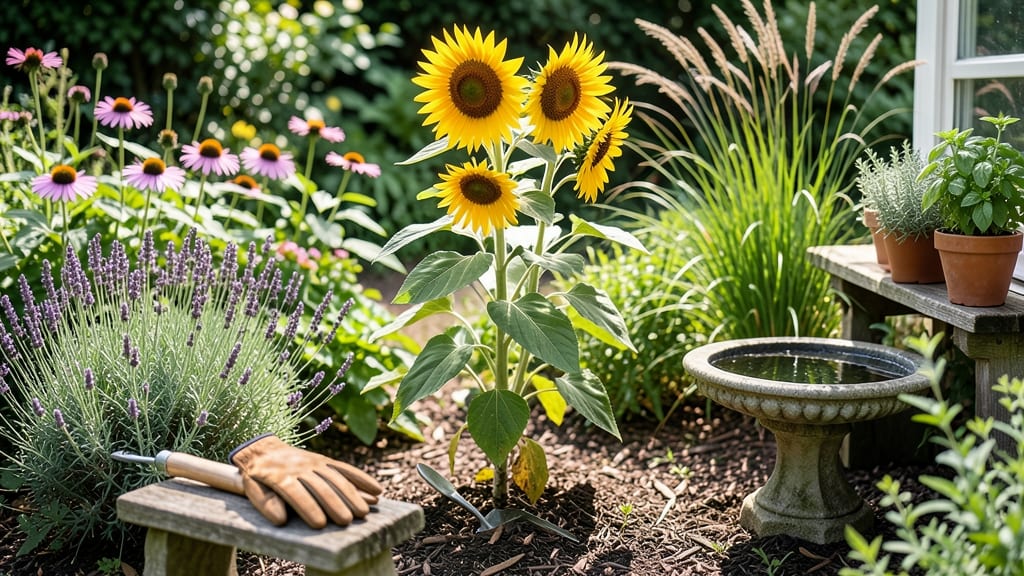
For backyard garden lovers, focus on drought-tolerant perennials like lavender and sedum, seasonal bloomers such as coneflowers and black-eyed Susans, and evergreens like boxwood or holly for year-round structure. Native plants minimize upkeep while supporting pollinators and creating visual appeal.
Native plants are the secret weapon of low-maintenance gardens because they've already adapted to your local climate, soil, and rainfall patterns. 🌿 Unlike imported varieties that demand constant attention, these hardy species thrive with minimal watering and rarely succumb to pests.
I've seen firsthand how a well-planned native garden can cut water usage by 50% while attracting bees, butterflies, and birds—turning your yard into a mini ecosystem. Plus, their deep root systems help prevent soil erosion, making them both beautiful and functional.
When designing your space, think in layers: tall evergreens like holly provide winter structure, mid-height perennials add seasonal color, and ground covers like creeping thyme suppress weeds.
Group plants with similar water needs together to simplify irrigation, and leave space between clumps for airflow—this reduces disease risk while keeping maintenance simple. Mulching with wood chips not only suppresses weeds but also retains moisture and regulates soil temperature, giving your plants an extra boost.
💡 In This Article
- Why Native Plants Are the Backyard Garden Lover’s Best Choice
- Designing a Low-Maintenance Year-Round Backyard Garden Layout
Why native plants are the backyard garden lover’s best choice
Native plants have evolved alongside local ecosystems for thousands of years, which means they've already solved the puzzle of surviving in your specific climate. Their deep root systems access water and nutrients more efficiently than shallow-rooted non-natives, reducing the need for supplemental irrigation by 30-50%.
For example, black-eyed Susans (Rudbeckia hirta) thrive in poor, rocky soil where many ornamental plants would struggle, while purple coneflowers (Echinacea purpurea) require only 1 inch of water per week once established—far less than thirsty imports like petunias.
The ecological benefits go beyond water savings. Native plants serve as natural pollinator magnets because local insects have co-evolved with them.
A single 9-inch diameter patch of milkweed (Asclepias) can support 50,000 monarch butterflies during migration, while goldenrod (Solidago) provides nectar for bees late in the season when other flowers have faded.
This biodiversity creates a self-sustaining garden ecosystem where beneficial insects outnumber pests, reducing the need for chemical interventions. 🌸 What's remarkable is how these plants often become more beautiful over time—their deep roots allow them to grow larger and more resilient with each season.
Pest resistance is another game-changer. Non-native plants often attract local pests that have no natural predators in the area, creating a cycle of damage and chemical treatments. Native plants, however, have developed chemical defenses that repel common garden pests.
For instance, lavender contains linalool and linalyl acetate—compounds that deter aphids and flea beetles—while sedum (Stonecrop) produces sticky resins that prevent fungal spores from taking hold. This natural resistance means fewer pesticides and healthier soil over time.
Soil compatibility plays a crucial role in their low-maintenance nature. Many native plants thrive in the pH and mineral composition of local soil without needing amendments.
For example, blueberry bushes (Vaccinium) prefer acidic soil (pH 4.5-5.5), which is common in many northern climates, while yarrow (Achillea) adapts to alkaline soils where few other plants survive. This eliminates the need for costly soil tests and amendments, saving both time and money.
The key is selecting plants that match your specific USDA hardiness zone and local soil type.
Consider the three-year rule: most native perennials establish strong root systems within three seasons, after which they require minimal care. This means once your garden is planted, you'll spend 80% less time on watering, fertilizing, and pest control compared to non-native gardens.
The trade-off? A more authentic, ecologically rich landscape that changes with the seasons—wildflowers in spring, berries in summer, and seed heads in winter—rather than a static display of imported species.
For maximum impact, combine 3-5 native plants per zone in your garden. This creates a diverse habitat that supports multiple pollinators while maintaining visual interest.
For instance, pair bee balm (Monarda) with butterfly weed (Asclepias tuberosa) for a summer pollinator hotspot, then add witch hazel (Hamamelis) for early spring blooms and winter interest. The result is a garden that feels both natural and carefully curated—requiring less effort but delivering more rewards. 🌿