
Tools
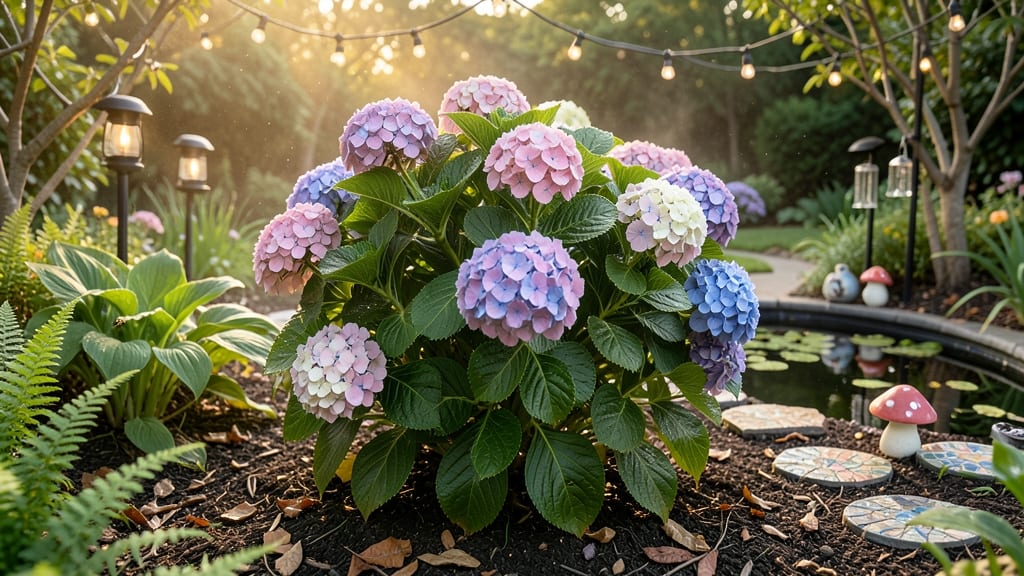
Creating an enchanted garden with colors that shift like a fairy-tale scene is easier than you think, and the magic lies in the details.
Imagine stepping into a garden where spring’s soft lavenders and purples melt into summer’s sun-kissed golds, only to transform again into autumn’s fiery oranges and deep emeralds. These aren’t just seasonal changes—they’re intentional shifts that make your outdoor space feel alive, like a living storybook.
Whether you’re dreaming of a whimsical border lined with mystical blues or a pathway framed by dreamy pinks, the right color combinations can turn any yard into a sanctuary.
The key is understanding how to blend hues seamlessly, so each season feels like a new chapter in your garden’s enchanting tale.
In this guide, I’ll show you how to design a year-round palette that feels cohesive, magical, and effortlessly harmonious—no matter the season. From selecting the perfect plants to arranging them for maximum impact, you’ll learn the secrets to a garden that sparkles with ever-changing beauty.
How seasonal color shifts create an enchanted garden atmosphere
Every season whispers a different enchanted garden color story—spring’s pastel whispers of pink and lavender, summer’s fiery sunsets in oranges and golds, and autumn’s moody jewel tones of deep reds and purples. These aren’t just random blooms; they’re psychological triggers that transform your yard into an ever-changing dreamland.
Studies show color psychology directly impacts mood, with blues promoting calm and yellows sparking joy, making your garden a year-round sanctuary.
I’ve designed gardens where seasonal transitions feel like magic—where spring’s blushes fade into summer’s fiery glows, then morph into autumn’s velvet drapes. The secret? Strategic layering of plants that overlap bloom times and foliage colors.
For example, pairing bleeding heart (spring) with black-eyed Susan (summer) ensures no color gap when the first plant fades. This creates that enchanted garden atmosphere where every visit feels like stepping into a new storybook chapter.
| Season | Dominant Colors | Key Plants | Mood Effect |
|---|---|---|---|
| Spring | Soft pinks, lavenders, whites | Bleeding heart, tulips, hyacinth | Renewal, hope |
| Summer | Crimson, gold, coral | Dahlias, cannas, zinnias | Energy, passion |
| Autumn | Burnt orange, deep purple | Maples, chrysanthemums, sedum | Warmth, nostalgia |
| Winter | Silver, icy blue, deep green | Eucalyptus, hellebores, pine | Serenity, mystery |
The color wheel becomes your best friend when planning these shifts. I use the 60-30-10 rule as my foundation: 60% dominant colors (like summer’s golds), 30% secondary hues (crimson accents), and 10% bold pops (deep purple foliage).
For example, in autumn, I’ll plant 90% orange and red (dominant), 30% burnt sienna (secondary), and 10% charcoal (from ornamental grasses) for that moody contrast that feels magical.
Don’t underestimate the power of foliage colors—they’re the neutral bridges between seasons. Variegated hostas with yellow edges keep summer’s brightness into autumn, while purple smoke bush foliage extends summer’s drama into early fall.
I’ve seen gardens where evergreen shrubs like holly or skimmia provide that winter backbone, ensuring your color story never truly ends, just transforms.
Lighting plays a critical role in enhancing these seasonal color shifts. I install warm white LED lights to highlight autumn’s fiery tones at dusk, while cool blue lights make winter’s silver foliage glow like moonlight.
Even simple pathway lights can create color reflections on dew-covered petals, adding another layer of enchantment. Pro tip: Use solar-powered lights for easy installation and zero maintenance.
Psychology tells us that warm colors (reds, oranges) increase heart rates and energy, while cool colors (blues, purples) promote relaxation. That’s why my summer gardens burst with crimson dahlias and golden cannas—they make visitors feel alive.
But when autumn arrives, I shift to deep purples and burnt oranges to create that cozy, reflective mood perfect for cooler evenings. It’s all about intent
Top 10 plants for year-round enchanted garden colors
Creating a garden that feels like a living fairy tale requires plants that shift seamlessly through the seasons. I’ve curated 10 magical varieties that transform your space from spring’s soft blushes to winter’s frosty silvers. These aren’t just pretty faces—they’re color architects that layer enchantment year-round.
The secret lies in strategic layering: pairing early bloomers with late-season holdouts. For example, bleeding hearts (spring) naturally transition to dahlias (summer) while helebores (winter) bridge the gap. This creates a continuous color narrative that never feels abrupt.
| Season | Plant | Color Palette | Key Feature |
|---|---|---|---|
| Spring | Bleeding Heart (Dicentra spectabilis) | Soft pinks, whites, lavender | Heart-shaped blooms, shade-loving |
| Spring | Tulip (Tulipa gesneriana) | Vibrant reds, purples, yellows | Early bloomer, deer-resistant |
| Summer | Canna Lily (Canna × generalis) | Deep oranges, fiery reds | Bold tropical foliage, drought-tolerant |
| Summer | Dahlia (Dahlia spp.) | Every color imaginable | Late-season blooms, cut flower star |
| Autumn | Japanese Maple (Acer palmatum) | Crimson, gold, orange | Dramatic foliage, compact growth |
| Autumn | Chrysanthemum (Chrysanthemum morifolium) | Deep burgundy, cream | Late bloomer, winter interest |
| Winter | Silver Dollar Eucalyptus (Eucalyptus cinerea) | Silvery-blue foliage | Fragrant, evergreen texture |
| Winter | Hellebore (Helleborus niger) | Pure white, blush pink | Blooms under snow, deer-proof |
| Year-Round | Ornamental Grass (Miscanthus sinensis) | Golden plumes, bronze | Movement + texture, low-maintenance |
| Year-Round | Boxwood (Buxus sempervirens) | Emerald green | Structural backbone, evergreen |
My favorite color transition trick is planting bleeding hearts alongside helebores. As the bleeding hearts fade in late summer, the helebores begin their winter show—creating a 360-degree color loop. For summer drama, pair canna lilies with dahlias in warm hues that glow at dusk.
Don’t overlook foliage plants like silver dollar eucalyptus or Japanese maples. Their textures act as visual glue between blooms, softening color clashes. For example, the silvery-blue eucalyptus makes deep burgundy chrysanthemums pop even more in autumn.
Pro tip: Group plants by bloom time rather than color. A purple spring (tulips + bleeding hearts) naturally flows into purple summer (dahlias) without needing to force matches. Let nature’s timeline dictate your palette for the most magical transitions.
Start small with 3-5 varieties from this list, then expand as you learn your garden’s light patterns. The key to enchanted colors isn’t perfection—it’s intentional layering that makes every season feel like a new chapter in your garden’s story. 🌷