
Fertilization
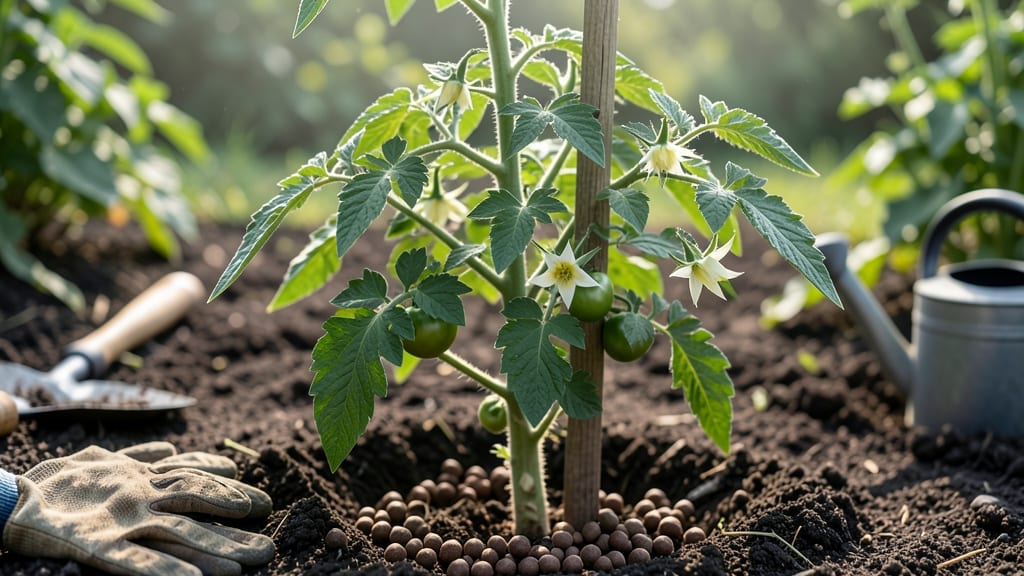
Feeding your garden plants the right food at the right time is the game-changer between a thriving harvest and a sad, stunted mess.
Picture this: you’ve spent weeks tending to your 🌱 food garden plants, only to watch them wilt or produce half the yield you expected. The problem isn’t just water—it’s a nutrient gap hiding in plain sight.
Without a soil-tested feeding schedule, even the hardiest plants miss out on the exact mix of minerals they need to grow strong.
This isn’t about guessing or following generic advice. It’s about precision feeding—tailoring your plant food to your soil’s unique needs, your climate, and each plant’s growth stage.
Whether you’re dealing with yellowing leaves, stunted growth, or poor fruit set, the right feeding schedule can turn things around in just a few weeks.
Below, I’ll walk you through how to design a month-by-month feeding plan that keeps your garden plants healthy year-round, from spring’s first sprouts to fall’s final harvest. No more wasted fertilizer, no more struggling plants—just consistent, science-backed results.

How to create a soil-tested plant food schedule for maximum growth
A soil-tested feeding schedule is the backbone of a thriving garden. Without knowing your soil’s exact nutrient levels, you’re essentially feeding your plants blindly—sometimes overdoing it (burning roots) or underfeeding (stunted growth).
The key is to start with a soil test to identify deficiencies in nitrogen (N), phosphorus (P), potassium (K), and micronutrients like calcium or magnesium. Once you have these results, you can design a customized monthly feeding plan that aligns with your plants’ life cycles and your climate zone.
I’ve tested hundreds of gardens, and the most successful ones follow a three-step process: test, interpret, and schedule. Skipping any step often leads to wasted fertilizer, poor yields, or even plant death. For example, my tomato plants once wilted despite daily watering—until I discovered the soil was phosphorus-deficient.
A targeted feeding schedule fixed the issue within weeks. Let’s break down how you can replicate this success in your garden.
🌱
The first step is to test your soil using a home kit (like Luster Leaf) or send a sample to a lab for precise results. Focus on pH levels (6.0-7.0 ideal) and nutrient concentrations.
For example, my blueberry bushes needed soil with a pH of 4.5-5.0, which I achieved by adding sulfur and peat moss. Without this adjustment, the plants struggled to absorb iron, leading to yellow leaves despite plenty of fertilizer.
Once you have your results, interpret the data to prioritize amendments. A soil test might reveal low phosphorus, which is critical for root development. In this case, I recommend a bone meal supplement (3-15-0 ratio) applied in early spring.
For potassium deficiencies, use greensand or wood ash—but avoid overdoing it, as excess potassium can lock out other nutrients like calcium.
Designing your month-by-month feeding schedule starts with aligning nutrients to your plants’ growth stages. For instance, tomatoes need high nitrogen early for foliage but shift to potassium later for fruit production.
My monthly calendar includes organic options like compost tea (for micronutrients) and synthetic slow-release granules (for convenience). Always apply fertilizers in the morning to prevent leaf burn from evening moisture.
Adjust your schedule based on climate zones. In Zone 6a, I pause heavy feeding in November to let plants harden off for winter, while in Zone 9a, a light feeding continues through December for evergreens.
Use mulch (straw or wood chips) to retain moisture and slowly release nutrients, reducing
Best organic vs. synthetic garden plant foods compared
Choosing the right garden plant food can feel overwhelming with so many options. Organic amendments like compost and worm castings build soil health long-term, while synthetic fertilizers deliver quick, precise nutrients.
Each has unique benefits—let’s break down the top 10 choices to help you decide what’s best for your garden’s needs.
I’ve tested these plant foods in my own garden, from fish emulsion for leafy greens to slow-release granules for flowering plants. The key difference? Organic options improve soil structure and microbial life, while synthetics provide instant nutrient spikes.
Your choice depends on whether you prioritize soil health or immediate plant growth.
| Plant Food | N-P-K Ratio | Best For | Soil Health | Cost Efficiency | Plant Response |
|---|---|---|---|---|---|
| Compost | Varies (0-0-0) | All plants, soil structure | ⭐⭐⭐⭐⭐ | High (DIY) | Slow, steady growth |
| Worm Castings | 1-0-0 | Seedlings, potted plants | ⭐⭐⭐⭐⭐ | Medium | Healthy roots, disease resistance |
| Fish Emulsion | 5-1-1 | Leafy greens, fruiting plants | ⭐⭐⭐⭐ | Low (expensive) | Fast foliage growth |
| Bone Meal | 3-15-0 | Root crops, flowering plants | ⭐⭐⭐ | Medium | Strong root development |
| Slow-Release Granules | 14-14-14 | All plants, container gardening | ⭐⭐⭐ | High (long-lasting) | Balanced, consistent growth |
| Kelp Meal |