
Container Gardens
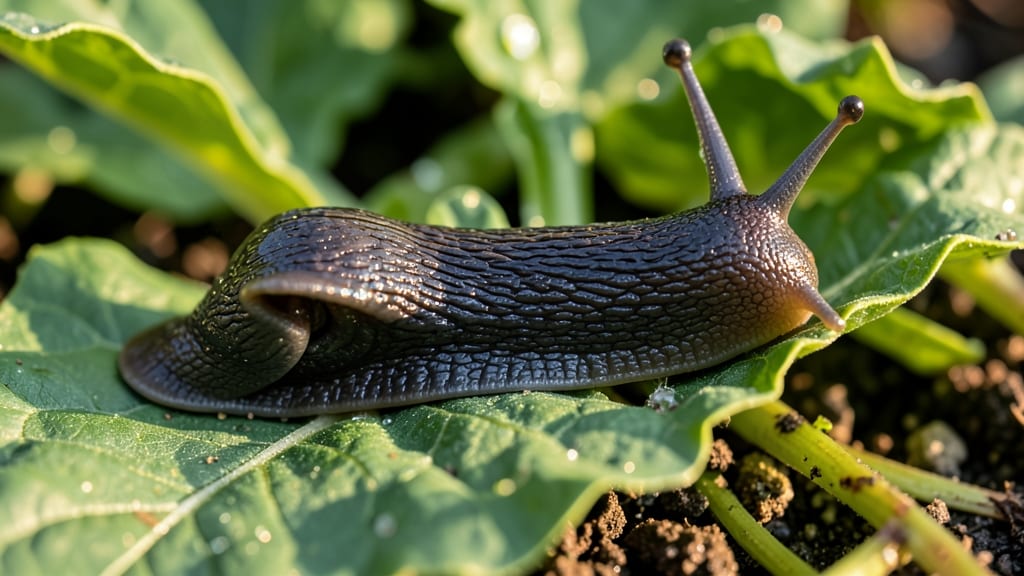
Snails are good for gardens because they aerate soil with their burrowing, break down organic matter into nutrient-rich compost, and naturally control pests by feeding on weeds and decaying plant material. Their slime also enhances soil moisture retention, benefiting root health.
These tiny creatures might seem like pests, but they actually play a crucial ecological role in garden ecosystems. 🌱 Their burrowing activity loosens compacted soil, allowing roots to spread more easily and improving water infiltration.
When they consume fallen leaves and plant debris, they transform it into nutrient-dense fertilizer through their digestive process. Many gardeners report healthier plants and reduced need for chemical fertilizers after introducing snails to their plots.
What's particularly interesting is how their natural behaviors create a balanced garden environment. The calcium-rich slime they produce not only helps retain moisture but also creates a microclimate that supports beneficial soil microorganisms. This microbial boost often leads to stronger plant immunity and better resistance against common soil-borne diseases.
The key is maintaining a healthy population—too many can become a problem, but the right balance turns them from potential nuisances into valuable allies.
💡 In This Article
- How Snails Improve Soil Health Naturally
- Balancing Snail Benefits with Garden Pest Management
How snails improve soil health naturally
Snails act as natural soil engineers by creating tiny tunnels as they move through the earth. These burrows improve soil aeration by allowing oxygen to penetrate deeper layers, which is especially beneficial for compacted clay soils where roots struggle to expand.
Studies show that just 10-20 snails per square yard can create enough tunnels to improve drainage by up to 30% while reducing soil compaction. The physical disturbance from their movement also helps break up hardpan layers that often form in garden beds.
Their digestive systems function like miniature composters. Snails consume decaying plant matter, dead insects, and even some weeds, grinding them into fine particles coated with their calcium-rich slime. This process accelerates decomposition by 2-3 times compared to natural breakdown rates.
The resulting "snail castings" contain elevated levels of nitrogen, phosphorus, and potassium—similar to a mild organic fertilizer—while also introducing beneficial bacteria that help suppress harmful pathogens in the soil.
One of the most fascinating benefits comes from their mucous trail. This slime isn't just a lubricant—it contains glycoproteins that act as natural soil conditioners. When dried, these proteins form a gel-like substance that improves water retention by up to 15% while maintaining good drainage.
The slime also creates tiny channels that help water and nutrients move more efficiently through the soil matrix. This moisture regulation is particularly valuable during dry spells when plant roots need consistent hydration.
The ecological ripple effect extends to microbial diversity. Snail activity stimulates populations of beneficial fungi and bacteria that help plants absorb nutrients more efficiently. Research from the University of California found that garden plots with active snail populations showed 25% more beneficial microbial activity compared to plots without them.
This microbial boost often translates to stronger plant growth and better resistance against common soil-borne diseases like damping-off in seedlings.
For container gardeners, the benefits are equally significant. In pots where soil compaction is a major issue, snails can help maintain loose, well-aerated growing medium. A 12-inch diameter container can comfortably support 3-5 snails without becoming overpopulated.
The key is providing adequate moisture—snails thrive in environments with 60-80% humidity—which makes them particularly useful for maintaining moisture in potting mixes that dry out quickly.
What's often overlooked is how snails help create a balanced ecosystem. By consuming weed seeds and decaying plant material, they prevent these organic matters from becoming breeding grounds for harmful fungi and insects.
This natural pruning effect reduces the need for chemical interventions while promoting healthier soil food webs. The result is a garden that requires less maintenance while producing more vigorous, disease-resistant plants.