
Pests
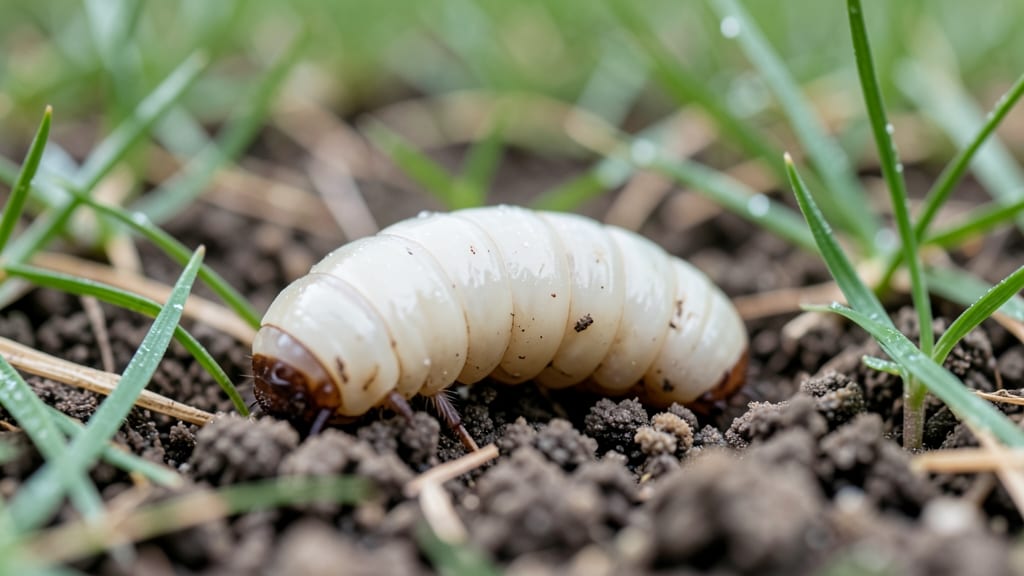
Grubs are bad for your garden because they devour plant roots, causing grass to yellow, wilt, and die back in large patches. These white, C-shaped larvae from beetles destroy both lawns and garden beds, often going unnoticed until significant damage appears.
Grubs aren't just a nuisance—they're silent destroyers lurking just below your soil's surface. 🌱 Their relentless feeding on roots cuts off vital nutrients, leaving plants starved and vulnerable. What makes them particularly dangerous is their ability to spread undetected, often doubling their numbers each season.
I've seen entire lawns turn brown overnight when grubs hit, and the worst part? By the time you notice the damage, it's often too late for simple fixes.
These pests thrive in moist, well-watered soil—perfect conditions for many gardeners. The key to protecting your plants is acting fast with targeted treatments before the damage becomes permanent. Prevention through healthy soil and natural predators can make all the difference in keeping your garden thriving.
💡 In This Article
- How Grubs Destroy Plant Roots and Lawn Health
- Effective Grub Removal Methods for Gardens and Lawns
How grubs destroy plant roots and lawn health
Grubs are the larval stage of beetles like Japanese beetles or June bugs, and their feeding behavior is particularly destructive. These pale, C-shaped larvae burrow into soil to feast on plant roots, using their powerful mandibles to chew through delicate root systems.
A single grub can consume up to 50 pounds of roots per acre per season, which explains why lawns turn brown so rapidly during infestations. Unlike adult beetles that feed on leaves, grubs target the underground structure that keeps plants alive.
The damage progression starts subtly: roots weaken first, making grass blades yellow and spongy to the touch. As infestations grow, entire sections of lawn lift easily from the soil—a classic sign called "sod webworm" when grubs create tunnels near the surface.
In garden beds, young plants wilt dramatically because their roots can't absorb enough water. What's shocking is how quickly this happens—some gardeners report 30-50% root loss in just 30 days during peak feeding seasons (late summer to early fall).
Grubs differ from other pests like cutworms because they work underground while cutworms attack stems at night. Another key difference is their lifecycle: grubs spend 10-12 months in the soil, pupating only in late spring.
This extended underground phase means damage compounds season after season unless treated properly. The most visible symptom is brown patches that feel soft when stepped on, often with visible tunnels when you lift the turf.
What makes grub damage so insidious is how they create ideal conditions for secondary problems. Weakened roots make plants more vulnerable to drought stress and fungal infections. In severe cases, entire lawn sections can die back completely, leaving bare soil that's difficult to regrow.
The economic impact is significant too—studies show grub damage costs U.S. lawn care industries over $1 billion annually in repairs and replacements.
Understanding their feeding patterns helps with early detection. Grubs prefer moist soil, so they're most active after watering or rain. Look for these warning signs: spongy turf, increased bird activity (birds love grubs), and visible tunnels when you dig up small sections.
The earlier you spot these signs, the better your chances of saving your plants before the damage becomes permanent.
Here's what's happening at the biological level: grubs secrete enzymes that break down cellulose in roots, making them easier to consume. This process creates a feedback loop—more feeding means more weakened roots, which attracts even more grubs.
The cycle continues until either the food source (roots) is depleted or intervention occurs. This is why preventive measures are so critical in grub-prone areas.