
Pests
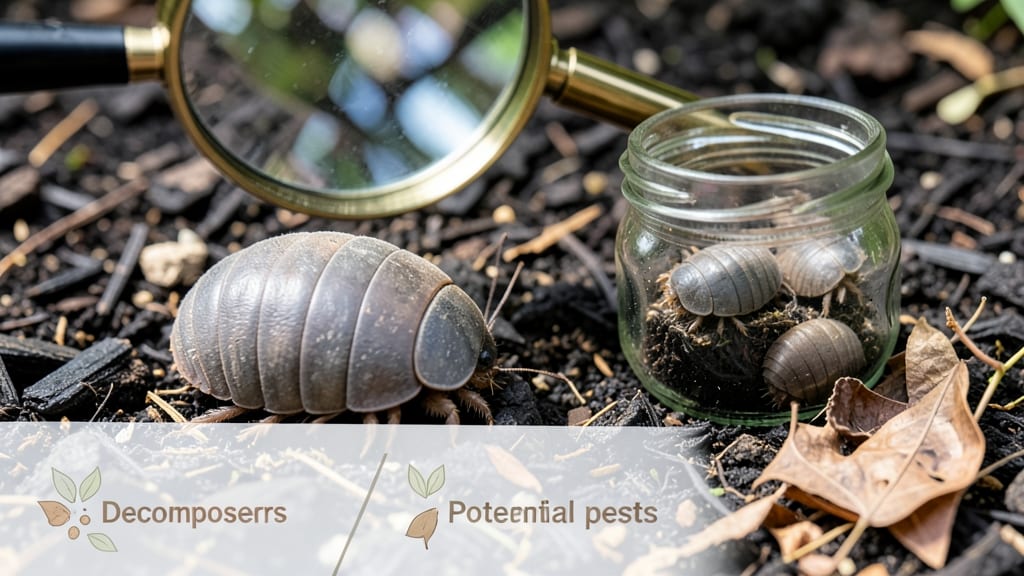
Rollie pollies (pill bugs) aren't bad for gardens—they break down organic matter and improve soil health, but too many can harm young plants by nibbling roots and tender seedlings. They prefer damp, shaded spots, so keeping garden areas dry and well-maintained helps control their numbers.
These little critters actually play a helpful role in your garden ecosystem by recycling dead plant material and aerating the soil. 🌱 However, when they become overabundant, their appetite for decaying leaves and roots can become problematic, especially for delicate seedlings.
The key is balance—most gardens naturally maintain healthy pill bug populations without intervention, but if you notice excessive damage to your plants, it's time to take action.
Pill bugs thrive in moist environments, so reducing standing water and improving drainage in garden beds is one of the simplest ways to discourage them. Another effective method is introducing natural predators like birds and frogs, which enjoy snacking on these small creatures.
For a more direct approach, organic deterrents like citrus peels or coffee grounds can create an unwelcoming environment for pill bugs without harming your plants.
💡 In This Article
- How Pill Bugs Benefit and Harm Garden Soil
- Natural Ways to Control Pill Bug Populations in Gardens
How pill bugs benefit and harm garden soil
Pill bugs (or rollie pollies) act as nature's composters, breaking down dead leaves, fallen branches, and other organic debris into nutrient-rich humus.
Their strong jaws and digestive systems can process cellulose-rich materials that many other decomposers struggle with. 🌿 This process releases essential minerals back into the soil, improving its structure and fertility—similar to how earthworms aerate soil but with a focus on finer organic particles.
Their activity creates tiny air pockets, which enhances root growth and water infiltration.
Their life cycle plays a crucial role in their ecological impact. Pill bugs molt up to 7 times as they grow, shedding their exoskeletons in moist, shaded areas where they thrive. Each molt produces nutrient-rich castings that act as a natural fertilizer.
However, their population can explode in gardens with excessive moisture and organic buildup—sometimes reaching thousands per square yard. When this happens, their feeding habits shift from beneficial decomposition to damaging plant roots, especially in seedlings with tender, unprotected root systems.
The key to their harm lies in their diet: while adult pill bugs primarily consume decaying plant matter, their young (called manca) are more aggressive feeders.
These tiny nymphs can chew through young seedling roots, stunting growth or causing complete plant failure. 🌱 The damage often appears as irregular holes in leaves or wilting plants with no visible above-ground pests.
This is why they're more problematic in vegetable gardens or newly planted areas where young plants are vulnerable.
Pill bugs also contribute to soil compaction when they burrow in search of food and shelter. Their tunnels can create pathways for fungal growth, especially in overly wet conditions. While a few pill bugs are harmless, populations exceeding 50-100 per square foot can indicate an imbalance in your garden's ecosystem.
This often happens in areas with thick mulch layers or poor drainage, where organic matter accumulates without proper decomposition.
Interestingly, their behavior changes with temperature. Pill bugs become less active below 50°F and more aggressive above 75°F, which explains why they're often a problem during warm, humid summers. Their preference for shaded, damp microclimates means they rarely venture into sunny garden beds or well-drained areas.
This habitat preference gives gardeners natural control points—reducing moisture and increasing sunlight exposure can significantly reduce their numbers without chemicals.
What most gardeners don't realize is that pill bugs also serve as a food source for beneficial predators like ground beetles, birds, and frogs. A healthy garden ecosystem naturally regulates their population through this food chain.
The challenge comes when human activities (like excessive mulching or poor drainage) create ideal conditions for pill bug overpopulation, disrupting this natural balance.