
Pests
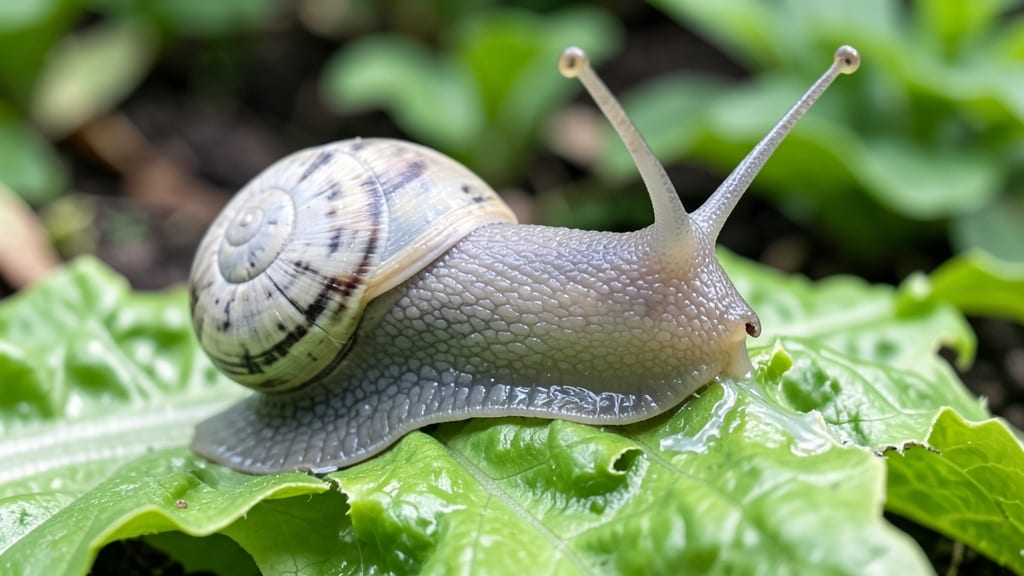
Snails are bad for your garden when they feast on tender plants, seedlings, and flowers, creating unsightly slime trails and uneven holes in foliage. While they do help break down organic matter and improve soil aeration, their destructive habits often outweigh these benefits.
Snails may seem harmless, but their nighttime raids can devastate your garden's progress. 🐌 They particularly target young plants, lettuce, tomatoes, and hostas, leaving behind chewed edges and sticky trails that signal their presence.
Their nocturnal feeding means damage often goes unnoticed until it's too late, giving them a free pass to wreak havoc on your hard work. However, their role in composting and soil health means they're not entirely villains—just uninvited guests with a serious appetite.
To strike a balance, I recommend combining physical barriers like copper tape with organic deterrents such as crushed eggshells or diatomaceous earth. These methods disrupt their slimy paths without harming beneficial insects or the environment.
For severe infestations, iron phosphate baits offer a targeted chemical solution that's safer than traditional pesticides.
💡 In This Article
- How Snails Damage Garden Plants and Vegetables
- Natural and Chemical Snail Control Methods for Gardens
How snails damage garden plants and vegetables
Snails are nocturnal foragers, which means they strike under the cover of darkness when gardeners aren't watching. Their feeding habits focus on tender, moisture-rich plants like lettuce, basil, and young tomato seedlings. They use their radula—a ribbed, file-like tongue—to scrape away plant tissue, leaving behind irregular holes with jagged edges.
Unlike insects that create precise bite marks, snails leave a signature trail of slime that's both sticky and visible in the morning dew.
The real damage happens when snails target seedlings or young plants. A single snail can consume 10-20 square inches of leaf surface per night, which stunts growth by preventing photosynthesis. Their favorite targets include hostas, marigolds, and even ornamental flowers like roses.
The slime they leave behind can also spread fungal diseases to plants, creating a secondary problem. 🐌 What's worse is that their feeding patterns often go unnoticed until plants are severely damaged or completely defoliated.
Snails particularly enjoy plants with soft, fleshy leaves that require minimal effort to consume. For example, a tomato plant might show signs of snail activity through half-eaten leaves or chewed fruit, while lettuce often gets reduced to nothing but stems.
Their preference for nighttime feeding means gardeners frequently discover damage the next morning, by which point the snails have already moved on to another area of the garden.
Their slimy trails aren't just unsightly—they contain mucus that can attract more snails through pheromones. This creates a feedback loop where one snail's activity signals others to join in. The trails also make plants more susceptible to disease by creating a moist environment that fungi thrive in.
This is why you'll often see snail damage accompanied by brown, mushy spots on leaves—both the snail's work and the resulting fungal infection.
To identify snail damage, look for these key visual cues: irregular holes with smooth edges (not the precise cuts from insects), silvery slime trails on leaves and soil, and plants that appear suddenly wilted or stunted.
The damage often occurs near low-lying areas where snails gather after rain or in shaded spots where moisture lingers. These clues help gardeners distinguish snail activity from other pests and take targeted action.
What makes snails particularly frustrating is their ability to hide during the day in cool, damp places like under boards, rocks, or dense foliage. This means even if you spot damage, the culprits are already out of sight, continuing their destruction elsewhere in the garden.
Their nocturnal habits combined with their preference for tender young growth make them one of the most persistent garden pests.