
Pests
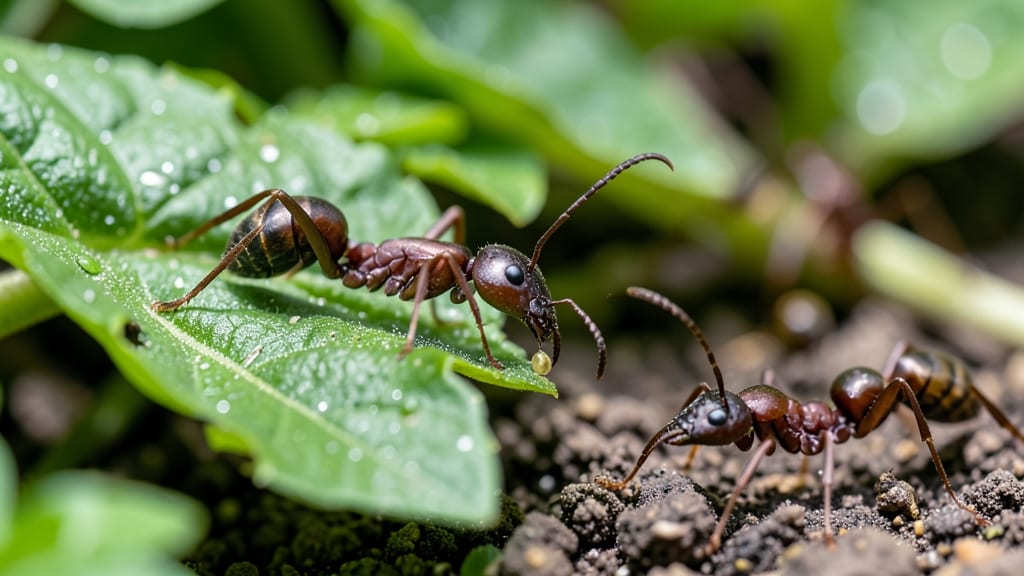
Are ants bad for a garden? They aren’t inherently harmful—they improve soil aeration, spread seeds, and hunt pests like aphids, but certain species can damage plants by feeding on sap or creating tunnels near roots. A balanced approach helps maintain healthy garden ecosystems.
Ants actually play a dual role in gardens, acting as both helpers and potential nuisances. 🌱 The beneficial species improve soil health by breaking it down and creating tunnels that allow water and air to reach plant roots.
Meanwhile, ants like Argentine ants or carpenter ants may harm plants by draining sap or weakening roots with their tunnels. The key is identifying which types are present—most garden ants are harmless or even helpful, while aggressive species require targeted management.
To manage ants effectively, start by identifying their behavior. If they’re carrying aphids or leaving trails near your plants, they might be harmful. For organic control, try sprinkling diatomaceous earth around plants or using citrus peels as a natural deterrent.
Sealing entry points and removing food sources (like fallen fruit) can also reduce their numbers without chemicals.
💡 In This Article
- How Ants Benefit and Harm Garden Ecosystems
- Managing Ants in Your Garden: Natural Solutions
How ants benefit and harm garden ecosystems
Ants act as tiny ecosystem engineers, improving soil health through their constant digging. Their tunnels aerate compacted soil, allowing water and oxygen to reach plant roots more efficiently. Studies show that gardens with ant activity often have 20-30% better water infiltration compared to ant-free soil, reducing erosion and improving drainage.
This is especially valuable for heavy clay soils, where ants create channels that mimic natural tillage. 🌱
Beyond soil aeration, ants contribute to plant growth by dispersing seeds and promoting mycorrhizal fungi—symbiotic relationships between plants and soil fungi that boost nutrient absorption. For example, harvester ants in arid regions spread seeds from plants like cacti and wildflowers, helping establish new vegetation.
Meanwhile, their predation on pests like aphids (which they "farm" for honeydew) creates a natural check on infestations that could otherwise weaken plants.
However, not all ants are garden allies. Species like the Argentine ant or fire ant can cause damage by feeding on plant sap, which weakens growth and attracts other pests like wasps. Carpenter ants, while not eating plants, tunnel into wood and can compromise root systems or structural plant parts.
The key difference lies in their behavior: beneficial ants focus on soil improvement and pest control, while harmful species exploit plants for food or shelter.
Another critical factor is their impact on plant health. Ants that farm aphids create sticky honeydew trails that foster sooty mold—a black fungal growth that blocks sunlight and reduces photosynthesis. In severe cases, this can stunt plant growth by up to 25%.
The presence of large ant colonies near roots may also indicate poor soil health, as they often target stressed or nutrient-deficient plants seeking easier meals. 🔍
To distinguish helpful from harmful ants, observe their trails and activity. Beneficial ants (like pavement ants) typically stay in the soil, while harmful species (like carpenter ants) leave visible trails on plant stems or wood.
The size and shape of the ants also matter: small, black ants are usually harmless, while large, aggressive ants with painful stings are more likely to be pests.
Understanding these behaviors helps gardeners make informed decisions. Most garden ants contribute more than they harm, but monitoring their activity—especially near young plants or in high-value garden beds—allows for proactive management before problems escalate.
The balance between their benefits and potential drawbacks depends entirely on species and local ecosystem dynamics. ✨