
Tools
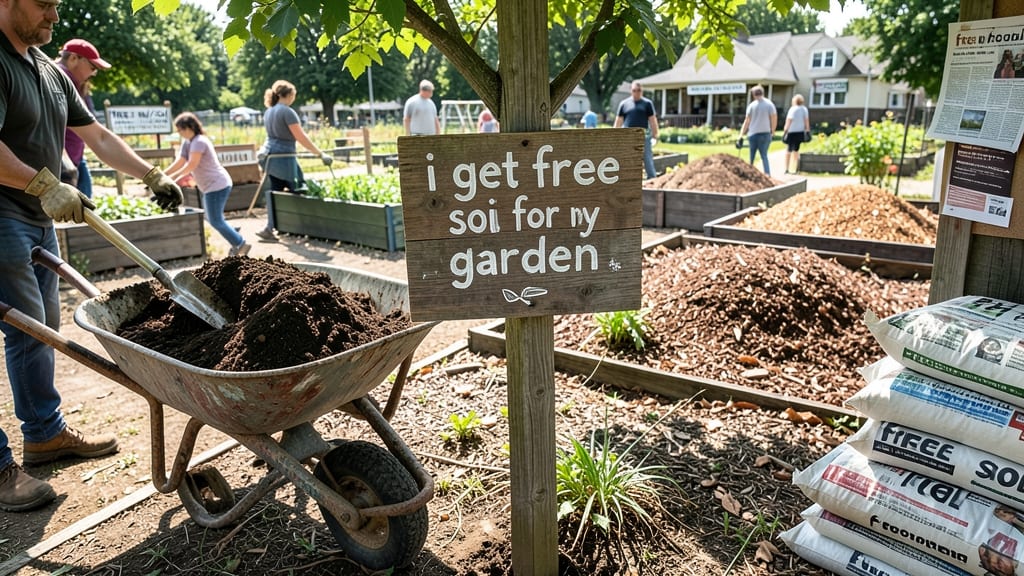
To get free soil for your garden, check local community boards for giveaways, ask neighbors or landscapers for leftover materials, or visit construction sites where topsoil is often discarded legally. Always verify permissions and avoid contaminated areas.
Finding free soil for gardening is easier than you think if you know where to look.
Many landscapers and construction crews dispose of perfectly good topsoil, while community groups often organize soil giveaways to reduce waste. 🌱 I've even found local gardening clubs that redistribute excess soil from municipal projects—just ask politely and be ready to haul it away yourself.
The key is timing: spring and fall are prime seasons when people are actively moving soil around their properties.
Before taking any soil, always check for contamination risks like chemicals or construction debris. A quick test with a pH strip can save you from using poor-quality soil that might harm your plants.
I recommend bringing your own clean tarp or wheelbarrow to transport the soil, and never take more than you need to avoid overburdening the source.
💡 In This Article
- Legal Ways to Source Free Garden Soil
- Ethical Requests: How to Ask for Soil Without Being a Nuisance
Legal ways to source free garden soil
Construction sites and landscaping projects are goldmines for free garden soil because crews often remove topsoil before breaking ground. 🌿 The key is to approach site managers or foremen during active projects—when they're hauling away truckloads of dirt, they're usually happy to give you a few bags if you ask.
Many municipal roadwork projects also remove topsoil that's perfectly suitable for gardens, though you'll need to verify it hasn't been treated with road salts or herbicides. Always check local regulations first, as some areas require permits even for free soil transfers.
Landscaping businesses frequently have excess soil after completing jobs, especially during spring planting season when demand spikes. Call local nurseries or landscapers and ask if they have "clean fill" dirt available—this is their term for soil that's been screened but not contaminated.
Some even offer it for free if you're willing to haul it away in your own truck or trailer. 🚛 A quick phone call can save you money, and many businesses appreciate the eco-friendly disposal. Just arrive with your own tarp or wheelbarrow to transport the soil home.
Municipal programs often redistribute free soil through community gardens or recycling centers. Many cities have "soil banks" where residents can take topsoil that would otherwise go to landfills. Check your local waste management website—they frequently list these programs under "yard waste" or "compost" sections.
For example, some cities offer free soil at their transfer stations if you bring your own containers, while others partner with gardening clubs to redistribute excess municipal soil. Always call ahead to confirm availability, as these programs often operate on a first-come, first-served basis.
Always perform a quick contamination check before using any free soil. Look for construction debris, paint chips, or unusual textures that might indicate chemical treatment.
A simple pH test (available at garden centers for under $5) can reveal if the soil is too acidic or alkaline for your plants. 🧪 I've found that soil from landscaping projects often has ideal pH levels (around 6.0-7.0), while construction sites may require amendments.
If in doubt, mix the free soil with your existing garden soil at a 1:1 ratio to balance any potential issues.
Timing matters when sourcing free soil—spring and fall are the best seasons because landscapers and homeowners are actively moving dirt. During these periods, you'll find more giveaways posted on community boards like Craigslist, Facebook Marketplace, or Nextdoor.
Some gardeners even post "free soil" signs in their yards after completing projects, so keep an eye out for these opportunities. The earlier you ask, the better your chances of getting quality soil before it gets rained on or contaminated.
Never take soil from areas that might be contaminated, such as near gas stations, industrial sites, or roads treated with herbicides. The EPA estimates that up to 30% of "free" soil samples contain harmful levels of lead or other heavy metals, especially in urban areas.
When in doubt, test a small batch with a soil testing kit before using it in your garden. 🌱 This simple precaution can save your plants—and your health—from potential damage.