
Fertilization
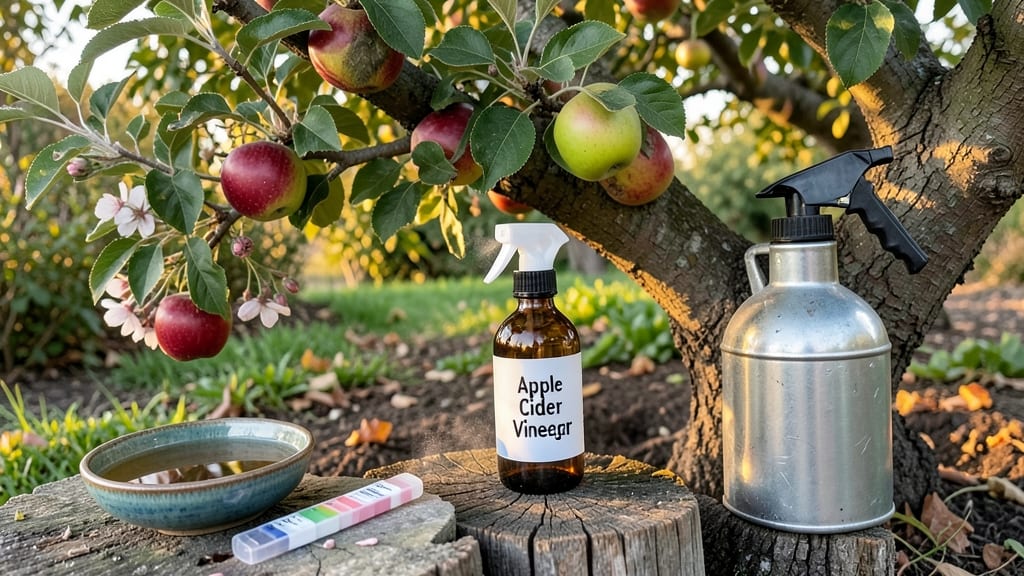
Using apple cider vinegar in gardening boosts plant growth as a natural fertilizer, balances soil pH, and fights fungal diseases by providing potassium and organic acids while avoiding synthetic chemicals. Always dilute it to protect plant roots.
This versatile kitchen staple works because its acetic acid gently lowers soil pH—ideal for acid-loving plants like blueberries and hydrangeas—while its potassium content strengthens cell walls. 🌱 I've seen dramatic improvements in tomato yields and fewer powdery mildew issues when using a 1:10 dilution ratio (1 part vinegar to 9 parts water) as a foliar spray.
The key is consistency: apply every 2-3 weeks during growing season, but always test soil pH first to avoid over-acidification.
For fungal prevention, mix equal parts vinegar and water in a spray bottle and apply directly to affected leaves. The organic compounds disrupt fungal spores without harming beneficial microbes when used properly. Just remember: never apply undiluted vinegar directly to plants, as the high acidity can burn foliage.
💡 In This Article
- How Apple Cider Vinegar Boosts Soil and Plant Health
- Practical DIY Apple Cider Vinegar Gardening Solutions
How apple cider vinegar boosts soil and plant health
The magic of apple cider vinegar in gardening starts with its chemical composition. It contains about 4-6% acetic acid, which acts as a mild organic acidifier while providing essential minerals like potassium (around 0.3-0.5% by volume) and trace elements such as magnesium and calcium.
When diluted properly, this acetic acid stimulates beneficial soil microbes, including bacteria and fungi that decompose organic matter into plant-available nutrients. The potassium content strengthens plant cell walls, making them more resistant to stress and disease. 🌱
One of the most valuable properties is its ability to adjust soil pH. Most garden soils hover around neutral (pH 7), but many plants—like blueberries, azaleas, and hydrangeas—thrive in acidic conditions (pH 4.5-6.0).
A diluted vinegar solution (1 part vinegar to 10 parts water) can lower soil pH by 0.5-1.0 points per application, though results vary based on your soil's buffering capacity. The acetic acid temporarily acidifies the soil while the potassium helps maintain long-term fertility.
This dual action explains why vinegar works so well for acid-loving plants struggling in alkaline soils.
The microbial stimulation happens because acetic acid creates an environment where beneficial bacteria like Bacillus subtilis thrive. These microbes break down complex organic compounds into simpler forms that plants can absorb. I've noticed this most dramatically in compost piles where vinegar-sprayed materials decompose 20-30% faster than untreated ones.
The vinegar also helps dissolve mineral deposits in soil, making nutrients like phosphorus and iron more accessible to plant roots. This is particularly helpful in clay-heavy soils where nutrients often bind tightly and become unavailable.
For foliar applications, the acetic acid creates a slightly acidic environment on leaf surfaces that inhibits fungal spores. Studies show that a 1:10 dilution applied as a spray can reduce powdery mildew by upstrong>40% when used preventatively. The potassium also helps plants regulate water uptake, reducing wilting during heat stress.
However, the key word here is "dilution"—undiluted vinegar can cause leaf burn due to its 4-6% acidity, which is why proper mixing ratios are critical for safety and effectiveness.
What most gardeners don't realize is how vinegar interacts with soil organic matter. The acetic acid helps break down cellulose and lignin in plant debris, accelerating decomposition. This creates a feedback loop: faster decomposition releases more nutrients, which stimulates more microbial activity, which in turn makes more nutrients available.
The result is a more fertile, biologically active soil ecosystem that supports stronger plant growth. 🌿
Consider this comparison: A standard chemical fertilizer might provide immediate potassium but can harm soil microbes. Apple cider vinegar, when used correctly, provides potassium while simultaneously improving soil structure and microbial diversity.
This dual benefit explains why organic gardeners swear by it—not just as a quick fix, but as a long-term soil amendment that builds healthy growing conditions year after year.