
Container Gardens
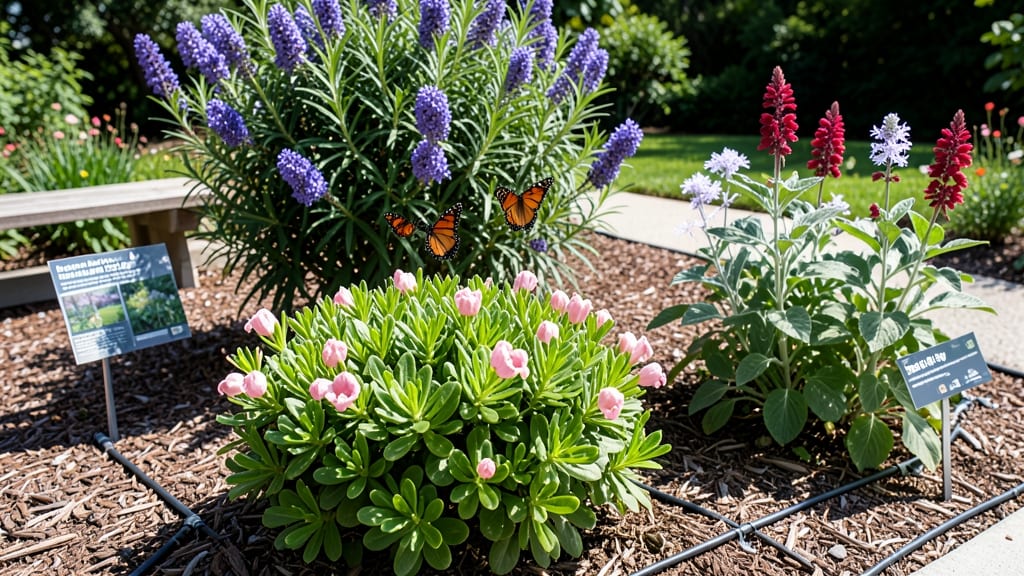
Alta Vista Botanical Gardens in Vista, CA, features rare desert plants, themed gardens, and seasonal wildflowers across 15 acres, offering free guided nature walks that highlight conservation efforts and native ecosystems.
This 15-acre desert oasis in San Diego County isn't just a collection of plants—it's a living classroom showcasing how species like ocotillo and agave thrive in extreme conditions. 🌵 The gardens replicate natural microclimates, helping visitors understand drought-resistant adaptations firsthand.
What makes it special is the blend of educational signage and hands-on experiences, from guided tours to seasonal bloom highlights that change with each visit.
Spring brings vibrant wildflower displays while summer showcases heat-loving cacti, making every season worth planning around. The free admission policy removes barriers, but the real value comes from the conservation work funded by visitor donations—supporting both plant preservation and community outreach programs.
💡 In This Article
- Exploring Alta Vista’s Unique Desert Plant Ecosystems
- Best Times to Visit Alta Vista Botanical Gardens
Exploring Alta Vista’s unique desert plant ecosystems
The gardens at Alta Vista Botanical Gardens serve as a microcosm of Southern California's desert ecosystems, where each plant species demonstrates remarkable survival strategies. Take the ocotillo—its slender, spiny stems can lie dormant for years during droughts, only sprouting leaves when rain arrives.
This adaptation allows it to conserve water while still capturing sunlight through its green bark. Nearby, agave plants store water in their thick, fleshy leaves, a trait shared with many succulents that thrive here despite receiving only 6-10 inches of rain annually.
What makes Alta Vista's collections particularly educational is how they replicate natural desert microclimates. For instance, the Sonoran Desert Garden features plants adapted to hot days (100°F+) and cold nights (40°F), while the Coastal Sage Scrub section showcases species that prefer cooler coastal conditions.
The gardens use drip irrigation systems and mulch layers to mimic natural water retention patterns, demonstrating sustainable landscaping techniques visitors can apply at home. 🌵
Seasonal changes dramatically transform the landscape. Spring brings delicate desert wildflowers like the California poppy and lupine, whose bright blooms attract pollinators. Summer reveals the true stars of the desert—cacti like the saguaro and prickly pear—whose waxy coatings and shallow root systems prevent water loss.
Even the creosote bush becomes more aromatic during summer, releasing compounds that deter herbivores while attracting beneficial insects.
One of the most fascinating features is the conservation-focused propagation area, where rare species like the Ventura ironwood and San Diego milkvetch are cultivated for reintroduction programs. These plants face habitat loss from urban development, making their preservation critical.
The gardens use soil analysis to match each species' native growing conditions, from sandy loam for cacti to clay-rich soils for wildflowers. This scientific approach helps visitors understand how plants interact with their environment.
For those interested in hands-on learning, Alta Vista offers seasonal workshops on topics like succulent propagation and native landscaping. These sessions often include take-home plants, allowing visitors to continue their desert gardening journey.
The gardens also maintain a seed library where guests can collect native plant seeds to support local biodiversity. This practical application of botanical knowledge bridges the gap between education and real-world conservation efforts.
Themed garden sections like the Mediterranean Collection and Southwestern Native Plants Garden provide visual comparisons of how similar climates produce vastly different ecosystems. For example, the lavender from Mediterranean regions thrives in Alta Vista's climate but requires slightly more water than native white sage.
These contrasts help visitors grasp how microclimates shape plant communities. 🌿
What most visitors don't realize is how the gardens' layout teaches ecological principles through spatial design. Pathways guide you from low-water zones to moisture-loving oases, demonstrating how desert ecosystems create pockets of life in harsh conditions.
This approach mirrors natural desert landscapes, where water availability dictates plant distribution. By observing these patterns, visitors gain insights into both the resilience of desert flora and the importance of conservation in fragile ecosystems.