
Vegetables
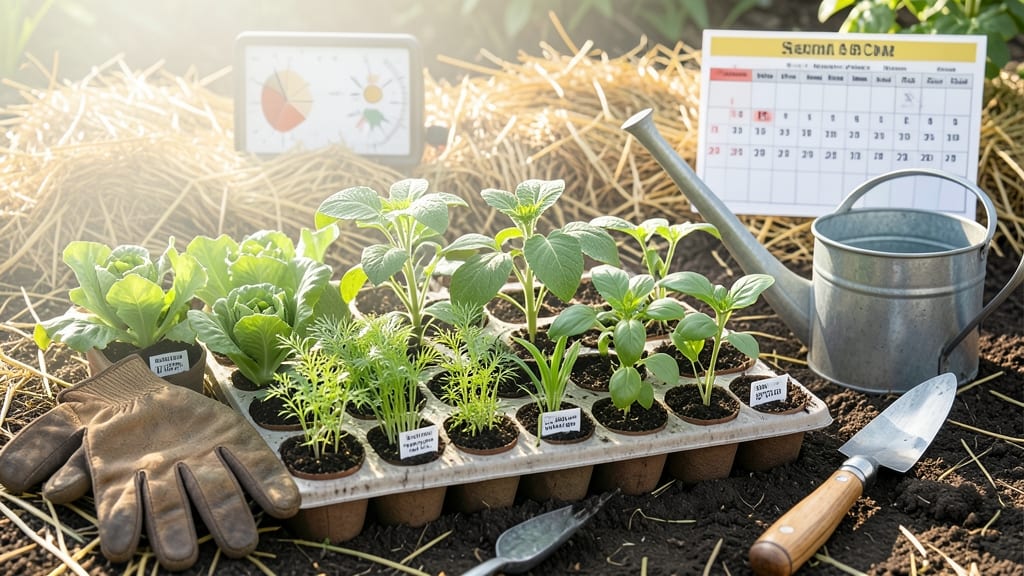
The best time to plant a vegetable garden depends on your climate zone, but getting it right means the difference between a thriving harvest and a sad, wilted 🥬 mess.
Picture this: you’ve prepped the soil, ordered seeds, and even marked your rows—only to watch your tender seedlings freeze in a late frost or bolt into flower because it was just too hot. Timing is everything, and your local frost dates are the first clue.
Cool-season crops like peas and lettuce thrive when planted 4-6 weeks before your last frost, while tomatoes and peppers need the ground to warm up after the danger of frost has passed.
In USDA Zone 6a, that could mean early April for greens and late May for peppers, but regions with longer growing seasons or milder winters shift those windows dramatically.
Below, I’ll break down the exact planting calendar for your zone, how to adjust for early or late harvests, and the three mistakes that wreck timing every year—so you can finally grow what you plant.

Climate-zoned planting calendar: when to start vegetables in your region
Timing your vegetable garden planting by your local climate zone can mean the difference between a bountiful harvest and wasted effort. The USDA hardiness zones (3-10) determine when to plant cool-season and warm-season crops, but frost dates and soil temperatures are equally critical.
For example, in Zone 5, you'll plant lettuce 4-6 weeks before your last frost, while in Zone 9, you might sow tomatoes in late winter.
Every region has unique conditions—northern climates (Zones 3-5) face shorter growing seasons, while southern zones (7-10) can extend planting into fall. Even within a zone, microclimates (like urban heat islands) can shift planting windows by weeks.
Always check your average last frost date (find it via the National Weather Service or local agricultural extension), as this is your anchor for scheduling.
Cool-season crops like kale, peas, and spinach thrive in 50-65°F soil and can tolerate light frosts. Warm-season crops such as peppers, eggplants, and squash need 60-85°F soil and won’t germinate until after your last frost.
Below is a zone-by-zone breakdown to help you plan your garden with precision.
In Zones 3-4, where winters are harsh, focus on early spring planting of hardy greens like spinach and peas. These crops can handle light frost and even improve flavor after a freeze.
For warm-season crops, wait until the soil warms to at least 60°F—use a soil thermometer to confirm. In Zone 4, this might not happen until late May or early June.
Zones 5-6 offer a longer growing season, allowing for two full harvests: one in spring and another in fall. Start cool-season crops indoors 6-8 weeks before your last frost to get a head start.
For example, if your last frost is April 15, sow broccoli or cabbage indoors by February 15. Warm-season crops like tomatoes and peppers should wait until after May 1 to avoid chilling injury.
Southern gardeners in Zones 7-10 enjoy extended seasons, but heat can be just as damaging as cold. Plant warm-season crops like okra and sweet potatoes in early spring to avoid the mid-summer heat (above 90°F).
For fall crops, start cool-season veggies in late summer (August-September) to harvest before the first frost, which may not arrive until November or December.
Pro tip: Use row covers or cold frames to extend your season in cooler zones. For instance, in Zone 5, you can plant spinach in early September under a row cover to harvest well into October.
Similarly, in Zone 9, shade cloth can protect lettuce from bolting during hot summers. Always monitor your garden’s microclimate—shady spots may need slower-growing crops like Swiss chard.
For precise timing, consult your local cooperative extension service—they provide frost-free date maps and crop-specific advice tailored to your area. Even a 1-2 week delay in planting can reduce yields, so don’t guess: use data to plan your garden’s success. Start with fast-growing crops
How to adjust planting times for early or late harvests
Want to stretch your growing season and enjoy fresh produce longer? Adjusting planting times for early harvests or late-season crops is a game-changer. Whether you're dealing with short summers or late frosts, these strategies help you maximize your garden's potential.
I’ve tested these methods in my own zone 6a garden, and they work wonders for extending harvests.
For early harvests, focus on cold-hardy crops like lettuce, spinach, and peas. These can tolerate cooler temperatures and even light frosts. Start seeds indoors 6-8 weeks before your last frost date, then transplant them outdoors 4 weeks before the first expected frost.
This timing ensures you’ll have baby greens ready by spring.
For late harvests, warm-season crops like tomatoes, peppers, and beans need all the time they can get. Use succession planting—sow new seeds every 2-3 weeks after the initial planting to stagger maturity. This way, you’ll have a continuous supply instead of one big harvest all at once.
- 1 Use row covers or low tunnels to protect tender crops like lettuce and spinach from late frosts. These can extend your harvest by 2-4 weeks in early spring or fall.
- 2 Cold frames are perfect for overwintering crops like kale or carrots. Place them over your plants in late fall to trap heat and protect against freezing temperatures.
- 3 Succession plant warm-season crops like beans and cucumbers every 2 weeks to ensure a steady supply. This works best for crops with short maturity times (under 60 days).
- 4 Plant heat-tolerant varieties like Malabar spinach or Swiss chard for late summer harvests. These thrive in hotter temperatures (above 85°F) when other greens bolt.
- 5 Extend fall harvests by planting garlic or onions in late summer. These overwinter and produce in early spring, giving you a head start on the season.
Don’t forget to monitor your soil temperature—it’s just as critical as air temperature. Use a soil thermometer to ensure it’s at least 50°F for cool-season crops and 60°F for warm-season crops before planting. Cold soil can stunt growth or delay germination.
My favorite trick for late harvests is using black plastic mulch on warm-season crops like tomatoes. It warms the soil faster in spring and keeps it warm longer in fall, giving you 2-3 extra weeks of growing time. Plus, it suppresses weeds and retains moisture—win-win!
Experiment with these techniques to find what works best in your climate. With a little planning, you can enjoy fresh vegetables from early spring to late fall, no matter where you live. Happy gardening! 🌱