
Vegetables
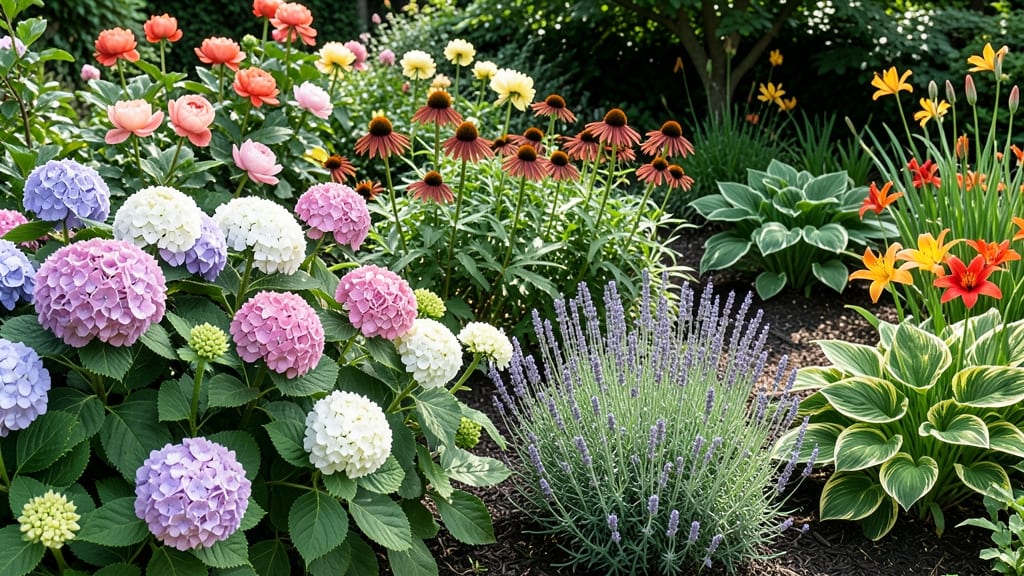
AHS reciprocal gardens enable gardeners to trade plants, seeds, and cuttings for free, creating a collaborative network that grows plant diversity without spending money. Through local chapter events or online listings, members connect to swap unique varieties, share gardening expertise, and build sustainable plant communities.
AHS reciprocal gardens operate on a simple yet powerful principle: gardeners give what they grow and receive what they need, all without spending a dime. 🌱 This system thrives on the American Horticultural Society's (AHS) network of local chapters, where members list their surplus plants—think heirloom tomatoes, rare perennials, or unusual herbs—on shared platforms.
The beauty of these swaps lies in their flexibility: you can trade in person at garden shows, mail cuttings through organized shipments, or even coordinate virtual meetups for seed exchanges.
What starts as a local plant trade often grows into friendships and shared knowledge, like troubleshooting tips for fussy plants or discovering new growing techniques.
Beyond the joy of expanding your garden's variety, these swaps offer practical perks like reducing waste and saving money. 💛 Many gardeners use this system to propagate plants they can't find commercially or to share hard-to-grow varieties that thrive in their climate.
The AHS even provides guidelines for safe plant exchanges, ensuring no invasive species or diseases spread through the network. Whether you're a seasoned gardener or just starting, reciprocal gardens turn gardening into a communal experience where everyone wins.
💡 In This Article
- How AHS Reciprocal Gardens Facilitate Plant and Seed Exchanges
- Top Benefits of Participating in AHS Plant Swaps
How AHS reciprocal gardens facilitate plant and seed exchanges
The process begins with joining your local AHS chapter or accessing the national reciprocal garden network, where members create profiles listing what they can offer. 🌿 Think of it like a gardening Craigslist—you might list 10 healthy basil cuttings, 50 seeds of a rare heirloom tomato, or divided hosta plants ready for transplanting.
The AHS platform tracks these listings with categories like "seeds," "plants," or "bulbs," and includes details such as maturity stage, quantity, and growing conditions (e.g., "needs full sun" or "drought-tolerant").
Logistics are handled through three main channels: in-person swaps at chapter events (like the 12 annual regional plant sales hosted by AHS chapters), mail exchanges coordinated through the national network, or virtual meetups for seed trades. 📦 For shipped plants, members use pre-approved packaging—like moistened sphagnum moss in sealed plastic bags for cuttings or paper envelopes with desiccant packets for seeds—to ensure safe arrival.
The AHS provides a tracking system where both parties confirm receipt, reducing the risk of lost or damaged plants. This structured approach mirrors how seed banks operate but with the added benefit of real-time community feedback.
What makes these exchanges unique is the emphasis on sustainability and adaptability.
Gardeners often trade plants that thrive in their specific climate—like drought-resistant lavender in arid regions or humidity-loving ferns in coastal areas—creating a living database of what grows best locally. 🌍 The AHS even includes a "plant passport" system where members note the origin and growing conditions of their offerings, helping others replicate success.
For example, a gardener in Zone 5 might trade hardy peonies with someone in Zone 7 in exchange for tropical hibiscus cuttings, knowing the plants will adapt well to their new environments.
The community aspect adds another layer: gardeners often include handwritten notes with their trades, sharing tips like "this tomato does best with a tomato cage" or "these seeds need scarification." 💬 This peer-to-peer knowledge transfer is invaluable for beginners and experts alike.
The AHS also hosts webinars on topics like safe plant handling (to prevent disease spread) and ethical trading practices (avoiding invasive species), ensuring the network remains both generous and responsible. Whether you're swapping 500 seed packets or a single potted plant, the system is designed to feel personal yet scalable.
For those new to reciprocal gardening, the AHS offers a starter kit with guidelines on how to package plants for shipping, including using biodegradable pots for rooted cuttings or seed envelopes with germination instructions. 🌱 The platform also includes a "first-time trader" section where veterans share advice, like how to photograph plants attractively or describe their hardiness zones clearly.
This support system reduces the intimidation factor, making it easy for anyone to contribute—whether you have a surplus of zucchini seeds or a single orchid division to share.
One standout feature is the real-time availability system, where listings update instantly as plants are traded. For example, if you request 10 blueberry bushes and someone lists them as "available," the system locks the listing until the trade is confirmed.
This transparency builds trust, and the AHS even provides insurance options for high-value trades (like rare roses or fruit trees). 💰 The cost savings are significant: a single $5 seed packet can become 50 packets through swaps, while a $20 potted plant might yield three plants for your garden.
It’s a win-win that turns gardening into a collaborative, zero-waste hobby.