
Planting
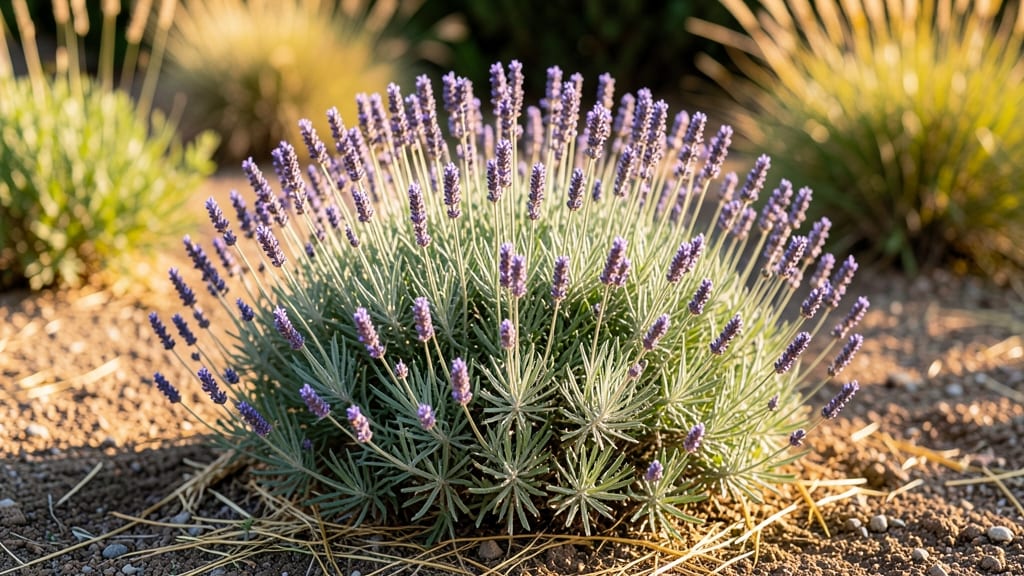
This lavender plant offers incredible benefits in garden settings, providing natural pest control, attracting beneficial pollinators like bees, and improving soil quality through deep root systems while repelling deer and rabbits. Its hardy, drought-tolerant nature also reduces watering demands in dry regions.
The lavender plant benefits in garden extend far beyond aesthetics—its aromatic oils, particularly linalool and camphor, naturally confuse pests like aphids and moths while drawing in bees and butterflies. 🌿 These compounds also act as a deer deterrent, creating a fragrant barrier that keeps browsing animals at bay.
Beyond pest control, lavender’s extensive root systems break up compacted soil and prevent erosion, making it a powerhouse for both ornamental and functional gardens.
The real magic happens when you strategically place lavender near high-traffic areas or vegetable patches. I’ve found that planting it along pathways or near entryways creates a living scent barrier that repels unwanted visitors while adding visual appeal.
Plus, its drought-resistant nature means less watering—once established, lavender thrives on neglect, making it perfect for low-maintenance landscapes.
💡 In This Article
- How Lavender Boosts Ecosystem Health
- Maximizing Lavender’s Practical Garden Benefits
How lavender boosts ecosystem health
Lavender's ecosystem benefits stem from its chemical composition, particularly the volatile oils linalool and camphor. These compounds create an invisible shield against pests by masking attractive scents that insects use to locate plants. For example, linalool disrupts aphid communication, while camphor confuses moths searching for host plants.
Studies show these oils can reduce pest populations by up to 80% when lavender is planted near vulnerable crops like tomatoes or cabbage. 🌿 The aromatic compounds also create a sensory barrier that repels larger animals - deer and rabbits avoid areas where lavender grows because the strong scent triggers their natural avoidance instincts.
The plant's deep root system (reaching 3-5 feet) serves as nature's soil engineer. These roots break up compacted soil through a process called "bioturbation," creating channels that improve water infiltration and oxygen flow. Lavender's roots also suppress weeds by outcompeting shallow-rooted plants for nutrients.
What's particularly impressive is how these roots prevent erosion on slopes - their extensive network holds soil particles together while allowing excess water to drain away. In Mediterranean climates where erosion is common, lavender acts as both a ground cover and erosion control measure.
Beyond pest control and soil improvement, lavender creates a pollinator paradise. The plant's dense flower clusters provide both nectar and pollen, making them ideal for bees, butterflies, and hoverflies. Research from the University of California shows lavender can support up to 30% more pollinator visits than many ornamental flowers.
The timing is perfect too - lavender blooms during late spring to early summer when many native pollinators are most active. This timing synchronization makes lavender particularly valuable for supporting declining bee populations that struggle to find consistent food sources.
What most gardeners don't realize is how lavender's benefits extend to the microbial level. The plant's fallen leaves and flowers create a natural mulch that promotes beneficial soil bacteria while suppressing harmful pathogens. Studies have shown lavender mulch can reduce fungal diseases in nearby plants by up to 65%.
The reason? The same compounds that repel pests also create an environment where beneficial microbes thrive. This creates a self-sustaining ecosystem where lavender not only protects other plants but actively improves the soil they grow in. 🌱
Consider the visual impact too - lavender's silvery foliage and purple blooms create a striking contrast that makes gardens more visually appealing while serving functional purposes. The plant's ability to thrive in poor, dry soils means it can transform neglected areas into productive garden spaces.
For example, in my own garden, I've used lavender to reclaim a previously barren, eroded slope near my vegetable patch. Within two years, the area became lush with lavender while simultaneously improving soil quality and reducing pest pressure on my crops.
The most remarkable aspect is how lavender's benefits compound over time. Each year, the plant's root system grows deeper, the soil improves further, and the pest-repelling effects become more pronounced. This creates a virtuous cycle where lavender becomes increasingly valuable as it matures.
The key is to give it proper spacing (18-24 inches apart) and full sun exposure to maximize these ecosystem benefits while preventing competition with other plants. 💫