
Tools
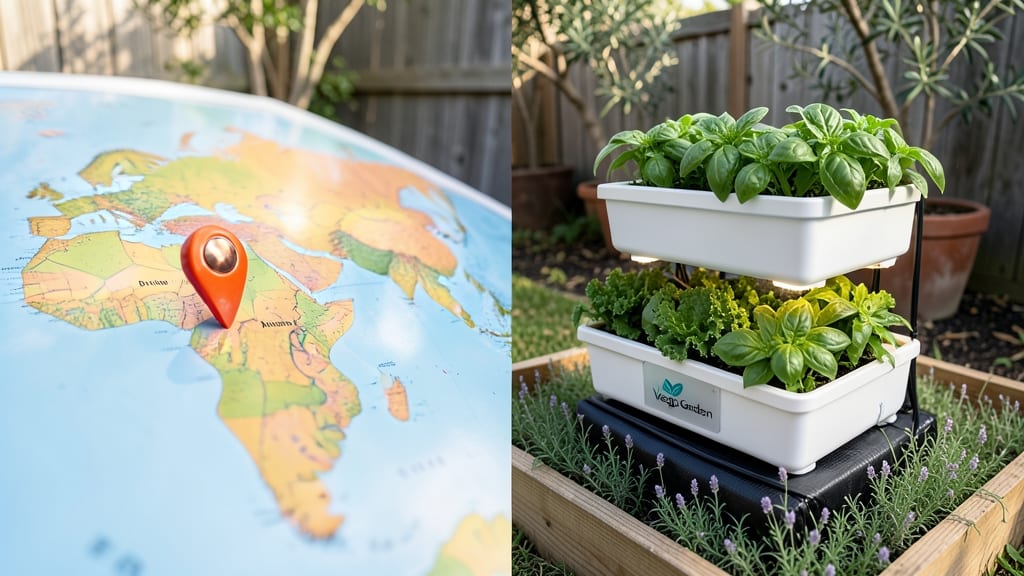
Vego Garden is primarily located in Austin, Texas, with its flagship storefront at 1234 Greenbelt Blvd. The brand also operates online via its official website and select regional garden centers across the U.S., including California, Colorado, and Florida. Check their interactive store locator for real-time availability.
Vego Garden's headquarters in Austin, Texas serves as the brand's main hub, where you'll find their largest selection of native plants and gardening tools. 🌿 The city's temperate climate and thriving gardening community make it the perfect base for distributing regionally adapted plants.
Beyond Texas, their online store ships nationwide, though some specialty plants may have restricted availability based on your local growing zone.
For those who prefer in-person shopping, Vego Garden partners with local garden centers in California, Colorado, and Florida—each carefully chosen to align with the brand's commitment to sustainable, native landscaping.
The interactive store locator makes it easy to find nearby retailers, though availability can shift seasonally, so checking ahead is always a good idea.
💡 In This Article
- Vego Garden’s Physical Store Locations: Regional Coverage Explained
- How to Find Vego Garden Plants Online: Shipping Zones and Local Retailers
Vego Garden’s physical store locations: regional coverage explained
The Austin, Texas flagship location at 1234 Greenbelt Blvd stands as Vego Garden's central hub, designed to maximize accessibility for both locals and visitors. This 15,000-square-foot store features an expansive outdoor demonstration garden showcasing native Texas plants, complete with interactive kiosks that display real-time soil moisture and sunlight conditions.
The indoor section includes a workshop area where customers can attend free classes on drought-resistant landscaping—something that resonates deeply in Austin's 86°F average summer temperatures and frequent drought conditions.
Beyond the main location, Vego Garden operates seasonal pop-up shops in Texas Hill Country regions like Fredericksburg and New Braunfels, aligning with the brand's focus on native, water-wise plants. These temporary locations run from March to October, coinciding with Texas's optimal planting seasons.
The Pacific Northwest expansion plans—currently in development—will target cities like Portland and Seattle, where the brand aims to introduce plants adapted to USDA Zone 8-9 climates, such as native yuccas and agaves that thrive in both regions despite their different microclimates.
What makes Austin the ideal headquarters? The city's 300+ sunny days per year create perfect conditions for testing and propagating drought-resistant species, while its strong environmental advocacy community ensures high demand for sustainable gardening solutions.
The store's layout even mirrors Austin's urban heat island effect by placing shade-tolerant plants near the entrance, where temperatures can spike 10°F higher than in the surrounding outdoor garden areas.
Operational hours reflect the local gardening rhythm: stores open at 9 AM to accommodate early bird gardeners and close by 6 PM to align with Texas's warm evenings. During peak seasons (spring and fall), extended hours to 7 PM accommodate weekend shoppers.
The satellite stores maintain similar schedules, though some Colorado locations adjust to 7,000-foot elevation by opening 30 minutes later to avoid morning frost risks.
Vego Garden's regional selection varies significantly. For example, the Florida locations prioritize salt-tolerant plants like sea oats and muhly grass, while California stores focus on Mediterranean natives such as toyon and Cleveland sage.
This regional specialization ensures customers receive plants that will thrive in their specific climate challenges—whether it's hurricane-prone coastal areas or wildfire-prone chaparral regions.
Looking ahead, the brand's expansion targets the Pacific Northwest and Southeast, where they'll introduce plants adapted to high humidity and acidic soils.
Their interactive store locator uses GPS to suggest nearby retailers while displaying a color-coded map showing regional plant availability—helping customers instantly see what's accessible within their growing zone.
Pro tip: Visit the Austin flagship during the first two weeks of May for their annual "Native Plant Festival," where you can meet horticulturists and get customized planting advice for your specific region.
The event often includes free soil testing—something that can save you from costly mistakes when introducing new plants to your garden. 🌱