
Vegetables
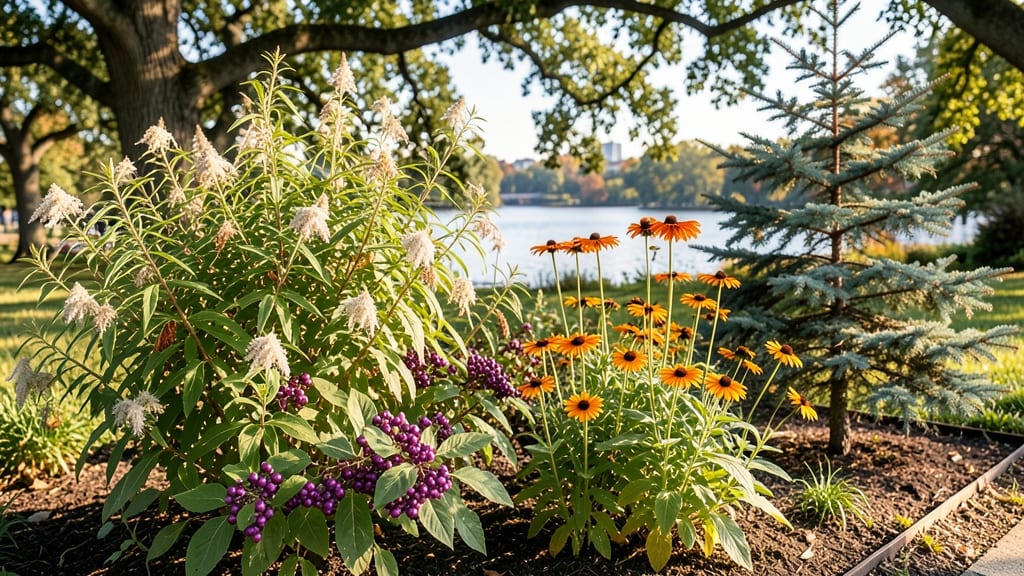
To determine your DC garden zone, check the USDA Plant Hardiness Zone Map, where Washington, DC primarily falls in Zone 7b to 8a, with local microclimates influencing planting success. Urban heat and elevation variations can shift your exact zone by up to a degree.
Washington, DC's gardening climate is shaped by its Zone 7b to 8a classification, which reflects average minimum winter temperatures between 5°F and 15°F. 🌱 The city's urban heat island effect—where pavement and buildings trap warmth—can push some neighborhoods into Zone 8, while higher elevations near Rock Creek Park may stay in Zone 7.
I always recommend using the USDA interactive map to pinpoint your exact location, as even small differences affect frost dates and plant hardiness.
Understanding your zone helps you choose the right plants and timing. For example, Zone 8a's longer growing season lets you plant heat-loving crops like okra and sweet potatoes earlier than Zone 7b gardeners.
The last frost date typically falls between mid-April and early May, while first frosts arrive in October or November—critical for planning annuals and tender perennials.
💡 In This Article
- USDA Zone Breakdown for Washington, DC: Key Temperature Ranges
- DC Planting Calendar: When to Start Seeds and Transplant
USDA Zone breakdown for washington, DC: key temperature ranges
Washington, DC's placement across Zones 7b and 8a is determined by average annual minimum temperatures. Zone 7b experiences lows of 0°F to 5°F, while Zone 8a ranges from 10°F to 15°F. These temperature thresholds directly influence which plants can survive winter dormancy.
For example, azaleas and camellias thrive in Zone 7b, while bougainvillea and oleanders prefer Zone 8a's warmer winters. The city's urban heat island effect—where concrete and buildings absorb and radiate heat—can push some areas into Zone 8, especially near downtown.
The USDA map accounts for these variations by using a 10-year average of minimum winter temperatures, measured at 5 feet above ground level. However, microclimates create exceptions: gardens near the Potomac River or Rock Creek Park may experience 3-5°F cooler temperatures than those in Capitol Hill or Navy Yard.
Elevation changes of just 100 feet can shift your zone by half a degree. To verify your exact zone, use the interactive USDA map and zoom in to your specific address—this precision helps avoid costly plant failures.
Understanding these temperature ranges explains why some plants struggle in DC. For instance, citrus trees, which need Zone 9-10 protection, rarely survive DC winters unless grown in containers and moved indoors during cold snaps.
Conversely, peonies and hostas—classic Zone 5-8 plants—thrive here because they can tolerate Zone 7b's occasional -5°F dips. The key is matching plant hardiness ratings to your specific zone, not just DC's general classification.
Frost-free periods also vary significantly. Zone 7b areas typically enjoy 180-200 frost-free days, while Zone 8a extends this to 210-230 days. This means gardeners in Zone 8a can grow tropical plants like hibiscus or start warm-season crops like tomatoes 2-3 weeks earlier than their Zone 7b neighbors.
The National Arboretum's research shows that DC's frost-free season has lengthened by 10 days per decade due to climate change, further complicating traditional zone-based planning.
For container gardeners, these temperature differences matter even more. Potted plants lack the ground insulation that in-ground plants enjoy, making them vulnerable to sudden cold snaps. A Zone 8a plant in a container might need winter protection even if it's hardy for that zone.
I always recommend monitoring local weather forecasts and using frost cloths for tender container plants during unexpected cold snaps.
Here's how to test your microclimate: Place a minimum-maximum thermometer in your garden for one winter. If it records -5°F or lower, you're likely in Zone 7b. If it stays above 10°F, you're in Zone 8a. This simple test reveals the truth behind the map's generalizations.