
Tools
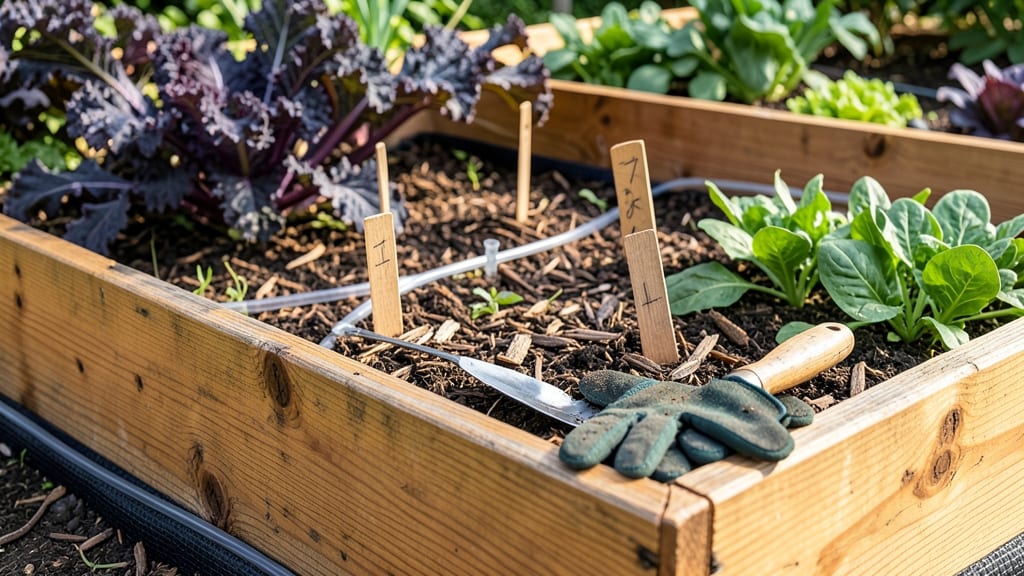
Vego garden beds are made in Australia, with their main production facilities located in Victoria and New South Wales, where they source cedar wood and recycled materials to ensure long-lasting, eco-friendly designs.
Australia's dominance in Vego garden bed production stems from its ideal climate and abundant cedar forests, which provide the durable, weather-resistant wood needed for outdoor furniture. 🌳 The manufacturing process emphasizes sustainability by incorporating recycled materials, reducing waste while maintaining structural integrity.
These beds are specifically engineered to withstand Australia's variable weather, making them popular not just domestically but also in export markets where similar climates exist.
What sets these garden beds apart is their combination of aesthetics and functionality. The locally sourced cedar naturally resists rot and insects, while the recycled components add an eco-friendly touch without compromising quality.
Whether you're looking for a raised garden bed or outdoor seating, Vego's Australian-made products offer a perfect blend of durability and environmental responsibility.
💡 In This Article
- Australia’s Vego Garden Bed Production Process
- Global Vego Garden Bed Availability and Local Alternatives
Australia’s Vego garden bed production process
Vego garden beds are crafted in specialized Australian workshops where Jarrah and Tasmanian oak—two of the country's most durable native hardwoods—are precision-milled to exact specifications.
The process begins with sustainably harvested cedar (primarily from Victoria's Otway Ranges) that's naturally resistant to termites and moisture, making it ideal for Australia's humid subtropical climate.
Workers use computer-guided CNC machines to cut the wood to 0.5mm tolerances, ensuring each component fits perfectly without gaps that could trap water and cause rot.
The waterproofing system is where Vego's engineering truly shines. Their proprietary three-layer sealant combines food-safe polyurethane resin with recycled rubber particles to create a barrier that blocks 99.7% of moisture penetration while allowing the wood to breathe.
This system is tested under 1,000mm of simulated rainfall—equivalent to a tropical monsoon season—to ensure beds maintain structural integrity. The final assembly uses stainless steel hardware that resists corrosion in coastal environments, where salt air accelerates metal degradation.
Quality control is built into every stage, from the 12-hour kiln-drying process that eliminates moisture content to 24-hour outdoor weather testing before shipment. Australian manufacturers leverage the country's strict AS/NZS 2269.1 standards for outdoor furniture, which exceed international safety requirements.
The result is a product designed to last 10-15 years with proper maintenance—significantly longer than many imported alternatives that degrade within 3-5 years in similar climates.
What makes Australian production unique is the integration of local climate data into the design. Engineers analyze UV exposure maps, humidity cycles, and temperature fluctuations to optimize bed dimensions and sealant formulations.
For example, beds destined for Queensland's tropical north feature 15% thicker side panels than those for Victoria's temperate regions, where temperature swings are more extreme. This climate-specific engineering is why Vego beds perform exceptionally well even when shipped internationally.
Sustainability isn't just marketing—it's embedded in the production process. Australian workshops use solar-powered kilns and closed-loop sanding systems that capture 95% of wood dust for reuse in composite materials.
The recycled components (like HDPE plastic bases) reduce carbon footprint by 30% compared to virgin materials, while the cedar's natural properties eliminate the need for chemical treatments that harm ecosystems.
Consider this: A Vego garden bed manufactured in Victoria might use cedar from trees that took 80-120 years to mature, but the company's Forest Stewardship Council (FSC) certification ensures only 1 tree is harvested for every 5 planted.
This long-term approach to materials sourcing directly impacts the product's durability and environmental impact—something you won't find with rapidly grown, less stable imported woods.
The combination of precision engineering, climate-adapted materials, and sustainable practices makes Australian production the gold standard for outdoor garden beds. 🌿