
How To
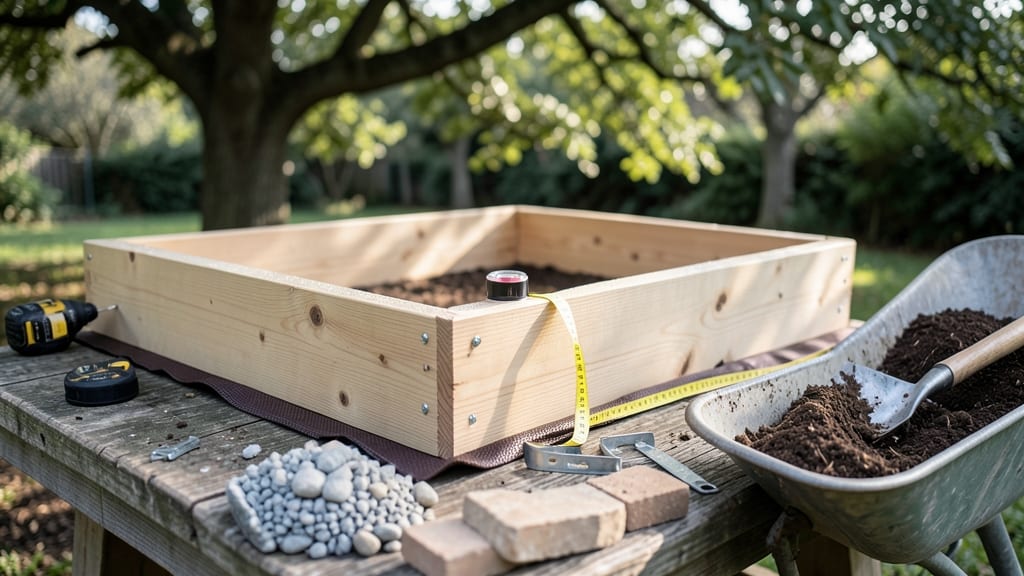
The cost to build a raised garden bed typically ranges from $100 to $1,500+, with 4x8-foot beds costing $150–$500 for DIY projects. Material choices like cedar, composite lumber, or pressure-treated wood significantly impact pricing, while professional installation adds $50–$150 per square foot. Don't forget to budget $50–$300 extra for soil, drainage, and hardware.
The price swings wildly based on what you prioritize—whether it's longevity, ease of assembly, or pure aesthetics. 🌱 For example, a simple 4x4-foot bed using untreated pine might cost as little as $80 to build, while a 6x12-foot cedar bed with corner brackets and premium soil could run $1,200+.
I’ve seen homeowners save hundreds by sourcing lumber during sales or repurposing old fencing, but those shortcuts often mean replacing materials sooner. The real value comes from how you use the space—whether it’s extending your growing season or creating a low-maintenance vegetable patch.
Another key factor is labor. If you’re handy with tools, you’ll spend most of your budget on materials. But if you’re hiring help, even a straightforward 4x8-foot bed could cost $800–$1,200 with professional installation.
That’s why I always recommend starting small—test the waters with a 4x4-foot bed before committing to a larger project. You’ll also want to factor in ongoing costs like mulch, fertilizers, and potential repairs over time.
💡 In This Article
- Material Cost Breakdown for DIY Raised Garden Beds
- DIY vs Professional Installation Cost Comparison
Material cost breakdown for DIY raised garden beds
Lumber choice is the biggest cost driver, with cedar leading the pack at $5–$10 per board foot due to its natural rot resistance and aromatic appeal. A 4x8-foot bed using 2x6 cedar boards (12 boards total) will cost about $180–$360 before hardware.
Pressure-treated wood drops the price to $3–$6 per board foot but requires sealing to prevent chemical leaching into soil. Composite lumber (like Trex) costs $10–$20 per board foot—expensive upfront but lasts 25+ years with minimal maintenance.
The hardware budget typically runs $20–$80 depending on corner connectors. Galvanized screws ($0.50–$1 each) are cheaper than hidden-f fasteners ($3–$5 each), which create a seamless look. For a 4x4-foot bed, expect to spend $15–$30 on screws and brackets, while larger beds need proportionally more.
Soil costs vary wildly: 1 cubic yard of topsoil runs $15–$30, while premium compost blends can hit $50–$80 per yard. A 4x8-foot bed needs 0.5–1 cubic yards of soil mix.
Drainage layers add $10–$50 depending on materials. Landscape fabric ($0.50–$1 per sq ft) prevents soil from washing through gaps, while gravel ($0.50–$1 per pound) improves drainage in clay-heavy areas.
The real savings come from bulk purchases—home improvement stores often discount lumber by 10–20% during off-seasons (winter/early spring) or offer free delivery on orders over $500. I’ve seen DIYers cut costs by 30% by buying used cedar from demolition sites or repurposing old barn wood.
Regional pricing plays a huge role too. In urban areas, delivery fees can add $50–$150 to soil orders, while rural zones might offer free local topsoil.
For example, a 4x8-foot cedar bed in Chicago might cost $450 with delivery, while the same build in rural Texas could be $320 with locally sourced materials. Always check for "free wood" listings on community boards—many contractors discard perfectly usable lumber after trimming projects.
Don’t overlook the "hidden" costs: bed frames need leveling, which might require $10–$30 in gravel or sand. Weed barriers ($0.20–$0.50 per sq ft) prevent invasive roots from creeping in, while edging materials ($1–$3 per linear foot) create clean lines.
The most budget-friendly approach? Start with a 4x4-foot bed using untreated pine ($2–$4 per board foot) and upgrade materials as your gardening skills (and budget) grow. 🌱
Pro tip: Calculate your bed’s volume first (length × width × height) to estimate soil needs accurately. A 4x8-foot bed that’s 12 inches tall holds 0.67 cubic yards—order 10% extra to account for settling.
For custom shapes, use a calculator or visualize the space as rectangles to simplify volume math.