
Tools
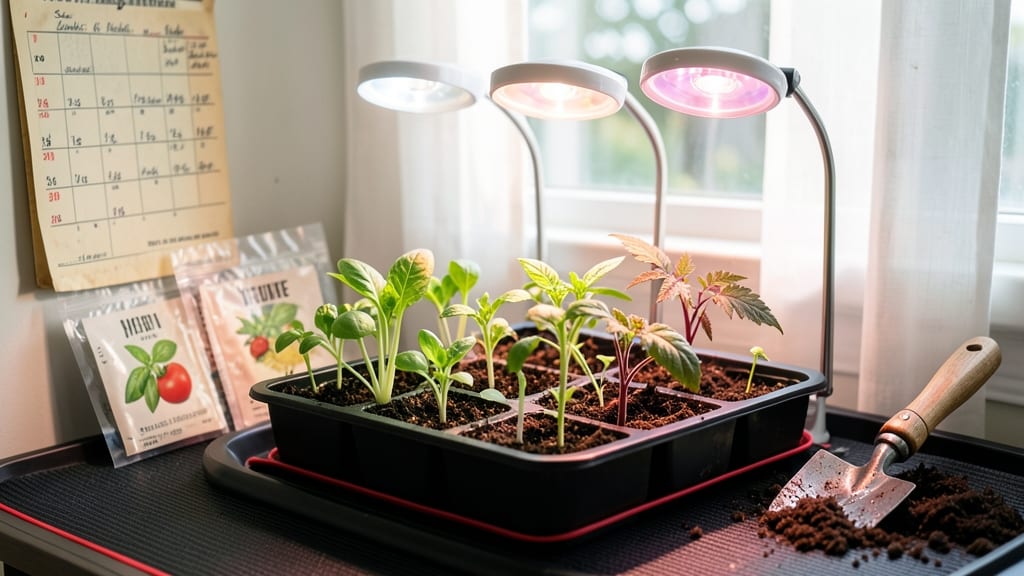
Starting garden seeds at the right time means the difference between a lush harvest and a season of disappointment—because timing isn’t just about the calendar, it’s about your plants’ needs.
Picture this: you’ve spent hours planting seeds indoors, only to watch them bolt in the heat before they’re ready for the garden. Or worse, your seedlings are still leggy when the last frost hits. That’s why knowing when to start isn’t just helpful—it’s the key to avoiding those heartbreaking moments.
Most gardeners start seeds 4-6 weeks before the last frost, but the exact window depends on your USDA zone, plant type, and whether you’re growing cool-season crops like lettuce or warm-season favorites like tomatoes. In zone 6a, that means February for early starts and August for fall planting.
Below, I’ll break down the exact timing for your region, how to adjust for slow or fast growers, and the tools (like heat mats or grow lights) that can shave weeks off your schedule. Ready to grow smarter, not harder?
How to calculate your frost-free date for seed starting
Getting your seed starting timing wrong can turn your gardening dreams into a sad, frozen disappointment. The key to success lies in understanding your frost-free dates—those magical windows when you can safely plant outdoors without fear of frost damage.
But how do you find these dates for your specific location? Let me walk you through my foolproof method.
First, you’ll need to know your USDA hardiness zone and local frost patterns. These determine when your garden can transition from cozy indoor starts to outdoor planting. Even experienced gardeners make mistakes here, so let’s break it down step by step to ensure you get it right the first time.
Step-by-Step Guide to Calculate Your Frost-Free Dates
-
1
Find Your Last Frost Date
Check your local USDA zone map (Zone 6a in my case) and use resources like the National Weather Service or Almanac’s Frost/Freeze Calculator. For example, my last frost date is typically April 15. -
2
Determine First Frost Date
The first frost usually arrives around October 15 in Zone 6a. This gives you a 165-day growing season—critical for planning long-season crops like tomatoes or peppers. -
3
Adjust for Plant Maturity
Look at your seed packet for days to maturity. For instance, if your tomatoes need 80 days to harvest, start them indoors 6-8 weeks before your last frost (around March 1 for me). -
4
Account for Seedling Growth Rate
Fast growers like radishes (30 days) can wait until 3 weeks before last frost, while slow growers like broccoli (60 days) need 8 weeks indoors. Use a seed starting chart for reference. -
5
Plan for Warm-Season Crops
Peppers and eggplants hate cold soil. Start them indoors 8-10 weeks before last frost and use grow lights or a heat mat to speed up germination. -
6
Verify with Local Records
Cross-check your frost dates with 3-5 years of local records. Weather patterns shift—last year’s frost date might not apply this year!
Once you’ve nailed down your frost-free dates, you can create a customized seed starting schedule that accounts for your climate, soil conditions, and even microclimates in your yard. For example, my south-facing garden bed warms up faster than the north side, so I adjust planting times accordingly.
Pro tip: Use a garden journal to track your frost dates year after year. Over time, you’ll spot patterns and refine your timing. Last year, my basil struggled because I started it too early—this year, I’ll adjust based on my notes.
Don’t forget about cool-season crops like spinach or kale, which can handle light frosts. These can be direct-sown as soon as the soil is workable, often 4-6 weeks before last frost. Meanwhile, warm-season crops like cucumbers need to wait until after the last frost.
If you’re unsure about your exact frost dates, many garden centers and cooperative extension services offer local advice. For instance, my county’s extension office provides a free frost date calculator tailored to my ZIP code. It’s worth the 5-minute call!
Remember, accuracy is everything—starting too early can lead to leggy, weak seedlings, while starting too late risks stunted growth or no harvest at all. With these steps, you’ll have a thriving garden that’s perfectly timed for your climate. Happy planting! 🌱
Seed starting timeline by plant type (cool vs warm season crops)
Timing your seed starting is everything—get it wrong, and you’ll either have leggy, weak seedlings or plants that bolt before producing harvests. The key difference lies between cool-season crops (like lettuce and spinach) and warm-season crops (like tomatoes and peppers), each with their own ideal windows.
My USDA Zone 6a garden thrives when I follow these guidelines, but adjust ±2 weeks based on your local frost dates.
Cool-season crops love cooler temperatures and can handle light frosts, while warm-season varieties need warm soil and won’t tolerate chilly nights.
For example, broccoli and kale can start indoors 6-8 weeks before your last frost, but peppers and eggplants need to wait until 8-10 weeks before your first frost date to avoid stunted growth.
For early starts, I often begin cool-season seeds in January under grow lights, while warm-season seeds wait until March to avoid leggy seedlings.
If you’re in a warmer zone (like Zone 8+), you can start warm-season crops outdoors as early as February, but in colder climates, wait until May to avoid frost damage.
Pro tip: Use a seedling heat mat for warm-season starts to jumpstart germination, and always harden off seedlings for 7-10 days before transplanting. This reduces shock and boosts survival rates—my tomato seedlings thrive when acclimated gradually to outdoor conditions.
Remember, succession planting is your best friend for continuous harvests. Sow lettuce every 2 weeks from spring to fall, and basil every 3 weeks to enjoy fresh herbs all season long. With this timeline, you’ll avoid the heartbreak of wasted seeds and maximize your garden’s potential!