
Fertilization
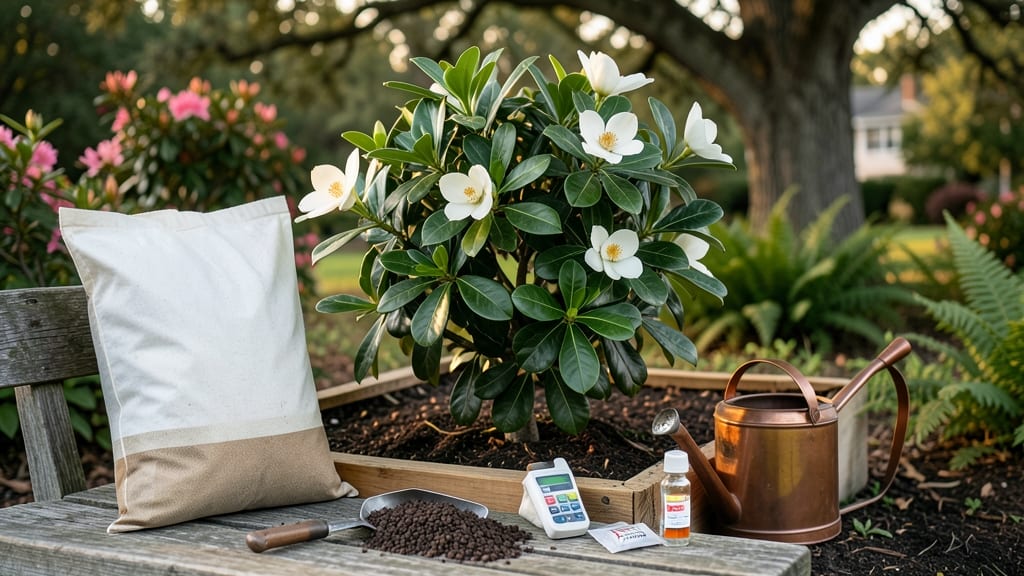
Fertilizing gardenias in Georgia at the right time is the secret to those fragrant, glossy blooms you’ve been dreaming of—skip the wrong schedule, and you’ll end up with sparse flowers and leggy plants.
Georgia’s humid climate and hot summers create the perfect conditions for stunning gardenia blooms—but only if you fertilize at the right times. Too early, and you’ll burn the roots; too late, and you’ll miss the blooming window entirely.
Most gardeners focus on spring, but the key is actually a two-part schedule: feeding in early spring to kickstart growth and a light touch in late summer to prep for fall blooms. Georgia’s warm winters mean no winter feeding is needed, but acidic soil is a must.
Below, I’ll break down the exact timing, the best fertilizers for your 7b-8b zone, and how to avoid the common mistakes that leave your gardenias looking sad instead of show-stopping.
Optimal fertilization schedule for Georgia gardenias: spring vs. fall timing
Georgia’s humid subtropical climate gives gardenias the perfect growing conditions—but only if you fertilize at the right times. Unlike cooler climates, Georgia’s hot summers and mild winters require a spring-focused feeding schedule with minimal summer maintenance.
The biggest mistake? Fertilizing during summer’s peak heat, which burns roots and stunts blooms.
Gardenias thrive with two key fertilization windows: early spring (when new growth starts) and late fall (to prepare roots for winter). Georgia’s acidic soil needs (pH 5.0-6.0) mean you must choose fertilizers with sulfur or iron to prevent yellowing leaves.
Skipping these windows leads to fewer blooms and weak stems.
Here’s how Georgia’s climate affects timing: Spring (March-May) is ideal for heavy feeding when roots recover from winter. Summer (June-August) demands light feeding only—too much causes nutrient burn in the heat. Fall (September-November) is for pre-winter prep, while winter (December-February) requires no fertilization.
Georgia’s clay-heavy soils often need amendments like pine bark fines or peat moss to improve drainage and acidity. Test your soil in late winter (February) to confirm pH before spring feeding.
If your soil is alkaline (pH >7.0), your gardenias will struggle to absorb nutrients, no matter how often you fertilize.
🌸
| Season | Fertilization Timing | Frequency | Key Notes for Georgia |
|---|---|---|---|
| Spring (March-May) | Early March (after last frost) | Every 4-6 weeks | Start when new growth appears. Use 6-6-6 or 8-3-9 fertilizer with sulfur. |
| Summer (June-August) | Late June (light feed only) | Every 8-10 weeks | Reduce feeding to half-strength to avoid root burn in heat. |
| Fall (September-November) | Late September | One light feeding | Prep roots for winter with low-nitrogen fertilizer (e.g., 10-10-10). |
| Winter (December-February) | None | Dormant period | Gardenias do not grow in winter. Focus on mulching to retain moisture. |
Spring fertilization is your most critical window because it kickstarts growth after winter dormancy. In Georgia, aim for three feedings in spring: one in early March (after last frost), another in April, and a final one in late May.
Use a slow-release fertilizer to avoid spikes in nutrients that can harm roots.
Many gardeners mistakenly fertilize in summer, thinking their plants need extra nutrients. But Georgia’s 90°F+ temperatures stress plants, and excess fertilizer causes leaf scorch and bud drop. Instead, switch to a light feeding in late June with a water-soluble, low-nitrogen formula (e.g., 3-4-6).
Fall fertilization is often overlooked, but it’s essential for root strengthening before winter. In Georgia, apply a low-nitrogen fertilizer in late September to encourage root development without promoting late-season growth. Avoid fertilizing after October 15, as new growth won’t harden off before frost.
Georgia’s acidic soil needs mean you must monitor pH annually. If your soil tests above 6.5, amend with elemental sulfur or aluminum sulfate before spring feeding. For alkaline soils (common in northern Georgia), mix pine needles or coffee grounds into the soil to lower pH gradually.
🌿
Pro tip: Pair fertilization with deep watering to help roots absorb nutrients. In Georgia’s heat, water before fertilizing to prevent salt buildup. If you notice yellow leaves after feeding, flush the soil with 3 gallons of water per plant to reduce salt concentration.
Remember, gardenias bloom on old wood, so avoid heavy summer feeding that encourages new, non-flowering growth. Stick to the spring-fall schedule, and you’ll reward yourself with fragrant, abundant blooms from June through October.
Best fertilizers for gardenias in Georgia: acid-loving plant requirements
Georgia’s clay-heavy soils and humid climate demand special attention when fertilizing gardenias. These acid-loving plants thrive with the right NPK ratios and soil amendments. Without proper fertilization, your gardenias will struggle to produce those fragrant blooms you love. Let’s break down the best options for your Georgia garden.
For optimal blooms, gardenias need a balanced fertilizer with an acidifying agent. Look for products labeled for azaleas or rhododendrons, as they share similar soil requirements. Georgia’s pH levels often skew alkaline, so you’ll need to adjust accordingly.
Organic options like fish emulsion or cottonseed meal work well, but synthetic fertilizers with sulfur coatings can also help lower pH.
DIY amendments are a great way to boost acidity naturally. Mix pine needles, sulfur powder, or peat moss into your soil to create the ideal pH 5.0-6.0 environment. These amendments also improve soil structure, helping gardenias thrive in Georgia’s heavy clay.
| Fertilizer Type | NPK Ratio | Best For | Application Tips |
|---|---|---|---|
| Organic (Fish Emulsion) | 5-1-1 | New growth & blooms | Dilute to half-strength; apply every 6 weeks |
| Synthetic (Acid-Loving) | 6-6-6 or 8-3-9 | Established plants | 1 tbsp per plant; water thoroughly |
| DIY (Pine Needles + Sulfur) | N/A | Soil acidification | Work into top 2 inches of soil annually |
| Cottonseed Meal | 6-2-0 | Slow-release nitrogen | 1/2 cup per plant; mix into soil |
Avoid high-nitrogen fertilizers, as they promote leafy growth at the expense of blooms. Instead, opt for a balanced formula with equal parts nitrogen, phosphorus, and potassium.
Georgia’s heat can also cause nutrient burn, so always water your plants thoroughly after fertilizing. This ensures nutrients reach the roots without harming the foliage.
If your gardenias look leggy or sparse, it’s time to adjust your fertilization routine. Start with a soil test to confirm acidity levels. If the pH is too high, add elemental sulfur or peat moss to lower it gradually.
Over time, your gardenias will reward you with lush foliage and abundant blooms, even in Georgia’s challenging climate.
Remember, less is more when fertilizing gardenias. Too much can harm your plants, while the right balance will keep them thriving. With the right fertilizer choices and soil adjustments, your gardenias will become the star of your Georgia garden. 🌸