
Planting
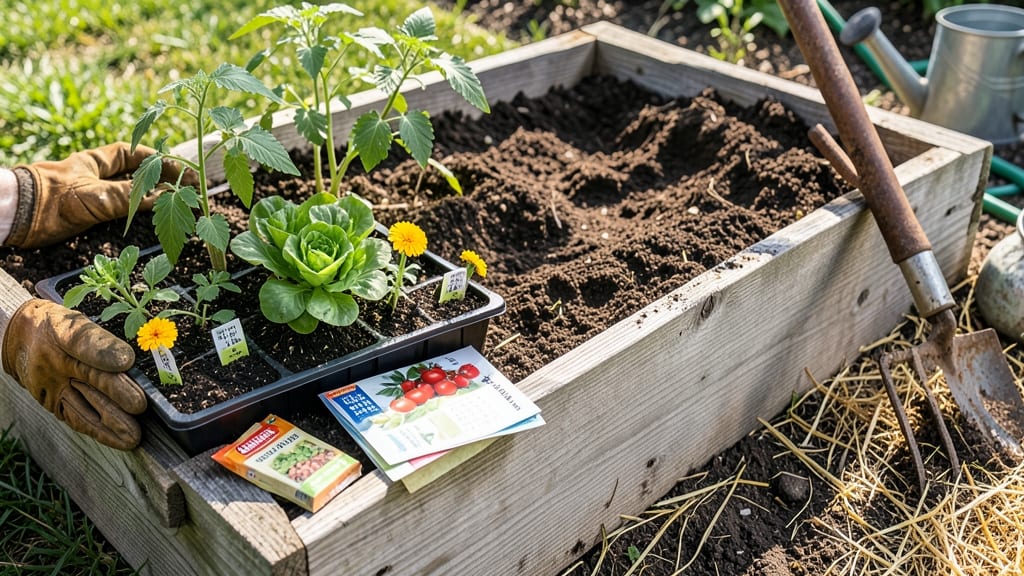
To plant a garden in WV at the right time means catching that narrow window between frost and heat that turns seedlings into harvests—not just survival.
West Virginia’s diverse climate—from high-elevation valleys to Appalachian ridges—means planting your 🌱 General Garden Plants at the wrong time can mean the difference between a bountiful harvest and a sad, wilted disappointment. But timing it right? That’s how you unlock peak yields and avoid frost-kissed failures.
Most gardeners in zones 6a-7a start cool-season crops like lettuce and peas in early spring, around March, while warm-season favorites like tomatoes and peppers wait until after the last frost, typically mid-April. Late summer offers a second chance for fast growers like bush beans and radishes.
Below, you’ll find a month-by-month guide tailored to WV’s microclimates, including when to start seeds indoors, adjust for high-altitude areas, and avoid common mistakes that even experienced gardeners make.
WV planting zones explained: when to start seeds indoors vs. outdoor
West Virginia spans USDA Hardiness Zones 5b through 7a, meaning your planting timeline depends heavily on where you live. The Eastern Panhandle (like Martinsburg) sits in Zone 6a, while Southern WV (Beckley) reaches Zone 7a.
These zones dictate when to start seeds indoors and when to transplant outdoors—critical for avoiding frost damage or stunted growth.
Cool-season crops like lettuce and peas thrive in WV’s early spring, but warm-season favorites such as tomatoes and peppers need to wait until soil warms. Understanding your last-frost dates—typically April 15 in the north and May 1 in the south—helps you time indoor starts perfectly for outdoor planting.
Here’s the key: Start cool-season seeds indoors 6-8 weeks before your last frost (e.g., February for Zone 6a) and warm-season seeds 4-6 weeks before (e.g., March for Zone 7a). Transplant outdoors only after soil reaches 50°F+.
For Zone 6a gardeners in Martinsburg, begin spinach and kale indoors by February 15 to transplant after the April 15 frost. In Beckley’s Zone 7a, you can push warm-season starts like cucumbers indoors by March 15 for outdoor planting in late April.
Microclimates matter! High-altitude areas (like Monongahela National Forest) may experience 2-3 weeks later last frosts. Use a frost calendar or local weather station to fine-tune your schedule. For example, Brookhaven (Zone 6b) often waits until April 25 for safe planting.
Warm-season crops like tomatoes and peppers need 80°F+ soil to thrive. In Zone 6a, wait until May 15 to transplant, while Zone 7a can start 2 weeks earlier. Use a soil thermometer to confirm readiness—50°F+ for cool crops, 60°F+ for warm crops.
Pro tip: Succession plant cool-season crops like radishes every 2 weeks from March to May to extend harvests. In Zone 7a, you can even squeeze in a fall garden of lettuce and carrots after the October 15 first frost.
Don’t forget hardening off seedlings! Acclimate them to outdoor conditions 7-10 days before transplanting by gradually increasing exposure to sun and wind. Start with 2 hours/day and build up to full sun.
For herbs like basil, wait until after May 1 in Zone 6a—they’re frost-sensitive and need consistent warmth. In Zone 7a, you can plant 1 week earlier
Best planting calendar for WV: month-by-month guide for vegetables, herbs & flowers
West Virginia’s diverse microclimates—from the Appalachian highlands to the river valleys—create unique planting windows. Whether you’re in Charleston’s Zone 6b or Beckley’s Zone 7a, knowing the right planting timeline ensures your garden thrives.
Below, I’ve mapped out the best times to sow seeds, transplant seedlings, and harvest across all seasons.
For high-altitude areas like the Monongahela National Forest, adjust planting dates by 2-3 weeks later due to cooler temperatures.
Always check your local last frost date—typically April 15 in most regions—but be ready for surprises. Succession planting is key for continuous harvests, especially for leafy greens and fast-maturing crops like radishes.
Pro tip: Use row covers to extend your spring planting window by 2-3 weeks. For high-altitude gardens, wait until May 15 to plant warm-season crops to avoid late frosts. Always monitor your garden’s microclimate—a sunny slope warms faster than a shady valley.
Don’t forget perennials! Plant asparagus crowns in early spring, rhubarb in fall, and strawberries in early spring or fall. These low-maintenance plants reward patience with years of harvests. For flowers, sow annuals (like cosmos) in late spring and perennials (like coneflowers) in fall for early blooms next year.
With this month-by-month guide, you’ll maximize your WV garden’s potential—whether you’re growing vegetables for your table, herbs for cooking, or flowers for pollinators. Happy planting! 🌱