
Planting
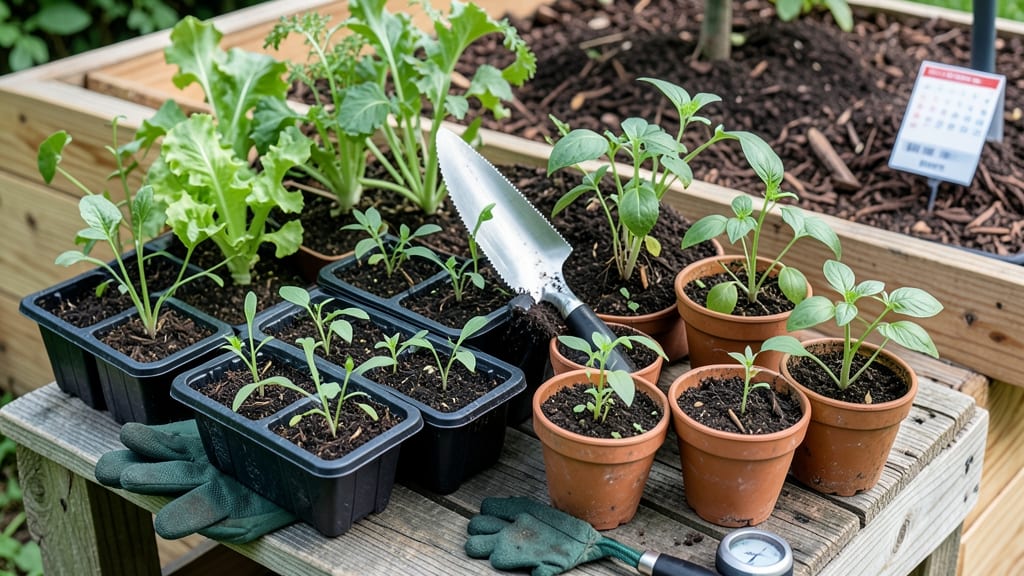
Planting your garden at the best time ensures strong roots, higher yields, and fewer pests—so why do so many gardeners still guess when to start?
Timing your garden planting perfectly can mean the difference between a thriving harvest and wasted effort—yet most gardeners overlook how their USDA zone dictates the ideal schedule.
In Zone 6, for example, spring planting begins as early as March but must wait until after the last frost (around April 15) when soil warms to 60°F.
Whether you're sowing cool-season crops like lettuce or warm-season favorites like tomatoes, aligning your planting with local frost dates and weather patterns is the key to success. This guide breaks down the exact windows for your region, plus pro tips to extend your growing season.
From seed-starting indoors to direct sowing outdoors, you’ll discover how to match each crop to its perfect planting window—so you can enjoy a garden that grows stronger, faster, and with less stress.

USDA Zone planting calendar: when to start seeds indoors vs. direct sowing outdoors
Getting your garden timing right is everything—plant too early and you risk frost damage, too late and you miss peak harvests. Your USDA zone determines the perfect window for starting seeds indoors versus planting directly outdoors.
Let's break down the frost dates and ideal planting schedules for zones 3 through 11 to maximize your garden's potential.
Cool-season crops like lettuce and spinach thrive when temperatures dip, while warm-season favorites such as tomatoes and peppers need heat to flourish. Understanding these differences ensures your plants grow strong and productive. Below, we'll cover when to begin seeds indoors and when to sow directly outdoors for each zone.
The key to success lies in knowing your last spring frost and first fall frost dates. These dates vary dramatically by zone—from late May in Zone 3 to late November in Zone 11.
For example, in Zone 6, the last frost typically occurs around April 15, while Zone 10 can plant year-round with minimal frost risk.
Here’s how to align your planting schedule with your zone’s unique climate patterns: