
Planting
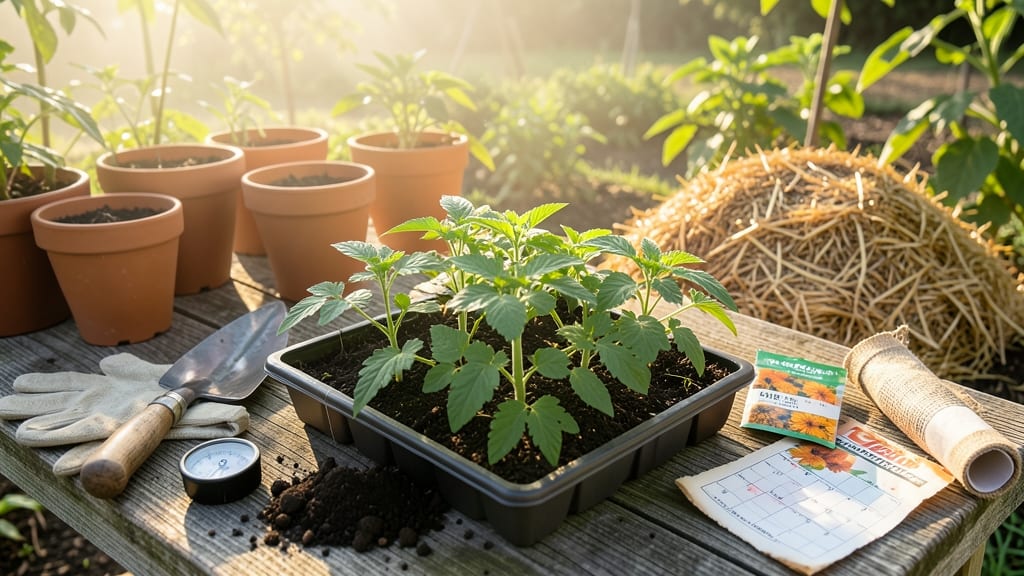
Planting your garden in Virginia at the right time means the difference between perfect harvests and wasted effort—especially when frost dates shift yearly.
Virginia’s unpredictable frost dates can turn a thriving garden into a frozen disappointment—or help you grow a bountiful harvest. Timing your plantings just right means the difference between wilting seedlings and flourishing veggies, flowers, and herbs.
In this guide, I’ll break down the exact frost dates by region, so you know when to plant cool-season crops like spinach and peas versus warm-season favorites like tomatoes and peppers.
You’ll also discover how to adjust for Virginia’s microclimates, from the Piedmont’s cooler nights to the Coastal Plain’s earlier springs, plus free tools to track soil warmth.
Virginia’s frost dates by region: when to plant cool vs warm-season crops
Virginia’s diverse climate—from the cooler Appalachian Mountains to the warmer Coastal Plain—means frost dates vary dramatically by region. Understanding these last spring frost and first fall frost dates is critical for planting the right crops at the right time.
Get it wrong, and your tomatoes might freeze or your spinach bolt too early.
Below, I’ve broken down Virginia’s USDA hardiness zones (5a–8a) and their typical frost windows, along with the best planting times for cool-season and warm-season crops. Whether you’re in Norfolk’s Zone 8a or Roanoke’s Zone 6b, these guidelines will help you plan like a pro.
🌱
| Region & Zone | Avg Last Spring Frost | Avg First Fall Frost | Cool-Season Planting Window | Warm-Season Planting Window |
|---|---|---|---|---|
| Northwest (Zone 5a–6a) e.g., Roanoke, Blacksburg |
April 15–May 1 | October 15–November 1 | March 1–April 15 (kale, spinach, peas) |
May 15–June 15 (tomatoes, peppers) |
| Central Piedmont (Zone 6b–7a) e.g., Charlottesville, Lynchburg |
March 20–April 10 | October 30–November 15 | February 15–March 30 (lettuce, broccoli, carrots) |
April 20–May 30 (cucumbers, squash) |
| Tidewater/Coastal (Zone 7b–8a) e.g., Norfolk, Virginia Beach |
March 1–March 15 | November 15–December 1 | January 15–February 28 (radishes, arugula, onions) |
March 15–April 15 (eggplants, basil) |
| Valley (Zone 6a–7a) e.g., Harrisonburg, Staunton |
April 1–April 15 | October 20–November 10 | March 1–April 1 (cabbage, Brussels sprouts) |
May 1–June 1 (okra, sweet potatoes) |
For cool-season crops like kale and peas, plant as soon as the soil reaches 40°F—even if frost lingers. These hardy greens thrive in cooler temps and can handle light frosts.
In Zone 5a, wait until April 15 to avoid frost damage, while Zone 8a gardeners can start as early as January 15.
Warm-season crops like tomatoes and peppers need soil temperatures above 60°F. In northern Virginia, hold off until May 15 to ensure no late frosts zap your seedlings. Meanwhile, Tidewater gardeners can plant cucumbers as early as March 15, thanks to their milder climate.
Pro tip: Use row covers or cold frames to extend your growing season by 2–4 weeks in cooler zones. I’ve successfully grown spinach in Zone 6b until November 1 using lightweight fabric covers—just remove them before harvest to avoid residue.
Don’t forget about fall planting! Many cool-season crops perform better in fall than spring because they mature before winter sets in. For example, broccoli planted in August often yields sweeter heads than spring plantings.
Check your first frost date and count backward: most cool-season crops need 60–90 days to mature.
🌿
If you’re unsure about your exact last frost date, consult the Virginia Cooperative Extension’s frost calendar or use a soil thermometer to confirm readiness. I always test my garden soil temperature in the morning—if it’s consistently above 50°F for warm-season crops, it’s time to plant.
For container gardening, adjust these dates slightly. Pots warm up faster in sunny spots, so you can plant warm-season crops 1–2 weeks earlier than in-ground. Just ensure your containers have drainage holes to prevent root rot in Virginia’s humid summers.
Finally, keep a gardening
How to adjust planting times for Virginia’s microclimates and soil conditions
Virginia’s diverse microclimates mean your neighbor’s perfect planting time might be too early or late for your garden. Coastal areas like Norfolk stay warmer longer, while mountainous regions like Roanoke experience earlier frosts. The key? Focus on soil temperature, not just air temperature.
Most gardeners check the Virginia Cooperative Extension frost calendar but forget that soil warmth determines when to plant. Cool-season crops like spinach or peas can handle 40°F soil, while warm-season plants like tomatoes or peppers need 60°F+. Use a soil thermometer—it’s your best tool for precision planting.
Here’s how to adjust your planting schedule for Virginia’s unique conditions:
🌱 Virginia Planting Adjustments by Microclimate
| Region | Adjustment | Tool/Method |
|---|---|---|
| Coastal (e.g., Norfolk) | Plant 2-3 weeks later than inland areas | Use row covers for early crops |
| Piedmont (e.g., Richmond) | Follow soil temp guidelines strictly | Cold frames for fall/winter extensions |
| Mountainous (e.g., Roanoke) | Wait 10-14 days longer than Piedmont | Mulch heavily to warm soil faster |
💡 Pro Tip: Check soil temps at 10 AM—this is when they’re most accurate for planting decisions.
Extend your growing season with row covers or cold frames. These simple tools can add 2-4 weeks to your planting window. For example, I use floating row covers to plant cabbage in early April, even when nighttime temps dip below 35°F.
Just remove them when flowers appear to allow pollination.
Don’t overlook mulching—it’s a game-changer for Virginia’s variable soil conditions. A 3-inch layer of straw or wood chips keeps soil 5-10°F warmer in spring and cooler in summer.
For warm-season crops, black plastic mulch can raise soil temps by 10-15°F, letting you plant tomatoes 2 weeks earlier.
Monitor local conditions using free tools like the Virginia Cooperative Extension’s frost calendar and NOAA’s climate maps. For example, if you’re in USDA Zone 7b (like Charlottesville), aim for April 15 for warm-season crops—but check your soil thermometer first. If it’s still below 60°F, wait another week.
Remember: Soil temperature is your true guide, not the calendar. With these adjustments, you’ll avoid frost damage and bolting while maximizing your Virginia garden’s potential. Happy planting! 🌿