
Planting
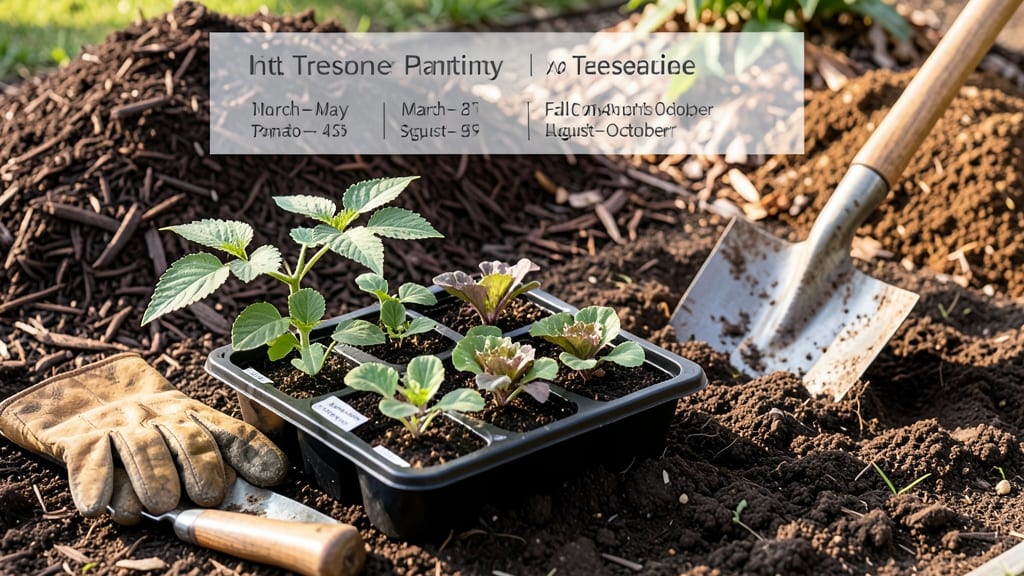
Planting your garden in Tennessee at the right time means the difference between a thriving harvest and wasted effort—especially with the state’s shifting frost dates and varied microclimates.
Tennessee’s diverse climate—from the humid mountains to the hotter valleys—means planting your garden at the wrong time can spell disaster for your crops. Get your timing right, and you’ll enjoy a bountiful harvest; get it wrong, and you might be left with wilted dreams (and wasted seeds).
Most gardeners in Tennessee’s USDA Zones 6b-7a should aim for spring planting after the last frost, typically between March and April, while fall crops go in by late August to September.
But those dates shift depending on whether you’re in East Tennessee’s cooler highlands or West Tennessee’s longer growing season.
Below, I’ll break down the exact frost dates by region, the best crops to plant each month, and how to adjust for Tennessee’s unpredictable weather—so you can finally stop guessing and start growing with confidence.
Tennessee’s frost dates by region: critical planting windows explained
Understanding Tennessee’s frost dates is the key to unlocking a successful garden. The state’s three distinct regions—East, Middle, and West—each have unique frost patterns that dictate when to plant your cool-season and warm-season crops.
In East Tennessee (USDA zones 6b-7a), the last spring frost often lingers until mid-April, while West Tennessee (also 6b-7a) can see frost-free soil as early as mid-March. These differences mean your lettuce might thrive in Memphis before it’s safe to plant in Knoxville.
For cool-season crops like spinach or broccoli, timing is everything. Plant these in early spring (February-March) or late summer (August-September) to avoid frost damage.
Meanwhile, warm-season crops such as tomatoes and peppers need to wait until after the last frost—typically mid-April to May—when soil temperatures consistently stay above 50°F (10°C). First-time gardeners often make the mistake of planting too early, only to watch their seedlings wither in unexpected late frosts.
Here’s the critical comparison: East Tennessee’s first fall frost usually arrives by mid-October, while West Tennessee can extend the growing season until early November. This means gardeners in Nashville have a slightly longer window to plant fall crops like kale or radishes compared to those in Chattanooga.
Knowing these dates helps you plan for succession planting or extending your harvest season with cold-hardy varieties.
| Region | USDA Zone | Last Spring Frost | First Fall Frost | Cool-Season Planting | Warm-Season Planting |
|---|---|---|---|---|---|
| East | 6b-7a | Mid-April | Mid-October | Feb-Mar, Aug-Sept | Late April-May |
| Middle | 6b-7a | Early April | Late October | Feb-Mar, Aug-Sept | Mid-April |
| West | 6b-7a | Mid-March | Early November | Feb-Mar, Aug-Sept | Late March-April |
*Dates vary yearly; use a local frost calendar for precision.
Let’s break down what these frost dates mean for your garden. In East Tennessee, where cooler temperatures linger, you’ll want to start cool-season seeds indoors in January to get a head start.
By contrast, West Tennessee’s earlier last frost date means you can direct-sow peas or onions as early as February.
This regional shift also affects fall planting: gardeners in the western part of the state can squeeze in a second planting of green beans or cucumbers in early September, while eastern gardeners should wrap up by late August.
One of my biggest lessons came from planting tomatoes too early in Middle Tennessee. Despite checking the average last frost date, a late cold snap in early May wiped out my seedlings.
Now, I wait until after Mother’s Day (around May 10th) to transplant, giving the soil time to warm up. For cool-season crops, I’ve learned to plant spinach in August for a fall harvest, but only after hardening off seedlings to toughen them against the approaching frost.
Soil temperature is just as critical as air temperature. Use a soil thermometer to confirm the ground is at least 50°F (10°C) for warm-season crops like squash or watermelons.
In East Tennessee, this might not happen until early May, while West Tennessee can hit this mark by late April. For cool-season crops, aim for soil temps below 75°F (24°C) to prevent bolting—especially important for lettuce and carrots.
Don’t overlook the importance of microclimates within your region. A south-facing slope in Nashville might warm up faster than a shaded valley, allowing you to plant warm-season crops a week earlier.
Similarly, urban areas like Memphis can experience heat islands that extend the growing season by 10-14 days compared to rural areas. Pay attention to these local variations to fine-tune your planting schedule.
For fall planting, mark your calendar for 6-8 weeks before the first expected frost. This
Best vegetables to plant in Tennessee by season (with exact months)
Tennessee’s gardening seasons vary dramatically from the cool mountain valleys of East Tennessee to the warmer river valleys in the West. To maximize your harvest, align planting with these regional microclimates—where March might be perfect for tomatoes in Memphis but too risky in Knoxville.
Let’s break down the ideal planting months for Tennessee’s top 12 vegetables.
For cool-season crops like spinach and broccoli, start seeds indoors 6-8 weeks before your last frost (typically February-March in East TN, March-April in West TN). Warm-season crops like peppers and okra need soil temps above 60°F, so wait until April-May after the last frost.
East Tennessee’s cooler springs often delay planting by 2-3 weeks compared to West Tennessee.
Regional tip: Use USDA Zone 6b-7a as a guide, but verify local frost dates—East TN’s higher elevation can mean 2-3 weeks later for planting than Middle or West TN. For example, lettuce thrives in March-April in Memphis but may need to wait until April-May in the Smokies.