
Planting
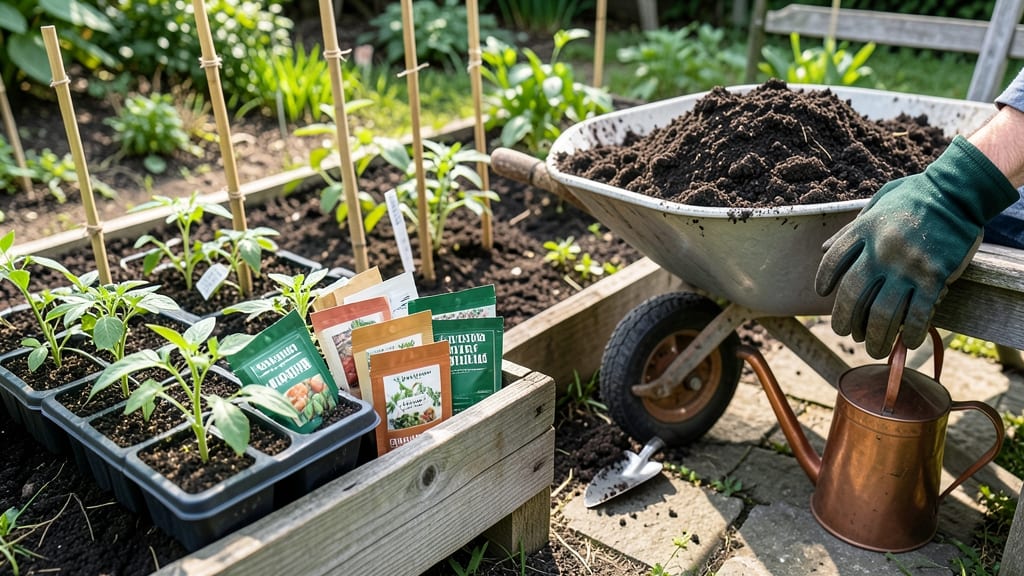
Planting your garden in Pennsylvania at the right time means the difference between a thriving harvest and wasted seeds 🌱—and the best window depends on whether you’re in the cooler highlands of the Poconos or the warmer valleys near Philadelphia.
Pennsylvania’s diverse climate—from the humid summers of Pittsburgh to the cooler highlands of the Poconos—means your planting schedule must align with USDA zones 4-7 for maximum success. Get it wrong, and your tomatoes could bolt before fruiting, or your fall crops might freeze before harvest.
Timing isn’t just about the calendar; it’s about soil temperature, frost dates, and even microclimates in your backyard. Whether you’re sowing peas in early spring or transplanting peppers in late May, knowing the exact window for your zone saves you from costly mistakes.
Below, I break down the month-by-month planting calendar for zones 4-7, plus pro tips to stretch your season—so you can enjoy fresh produce from spring to fall without guessing when to put seeds in the ground.
Pennsylvania planting calendar by USDA zone (4-7): month-by-month breakdown
Pennsylvania spans three USDA zones—4 (northwest), 5 (central), and 6-7 (southeast)—each with distinct frost dates and growing seasons. In zone 4, last spring frost typically arrives April 20–May 5, while zone 7 sees it as early as March 20–April 10.
First fall frost ranges from October 15 (zone 7) to October 30 (zone 4), forcing precise timing for your garden.
Microclimates add complexity: urban areas like Philadelphia (zone 7b) can be 5–10°F warmer than rural zones, while mountain valleys (e.g., Poconos) may delay spring by 2–3 weeks.
Adjust planting dates accordingly—warm-season crops like tomatoes need soil at 60°F+, while cool-season crops like spinach thrive in 50–65°F soil.
Use this zone-specific calendar to align planting with frost-free windows, soil temperatures, and regional quirks. For example, basil in zone 4 must wait until May 15, but in zone 7, it’s safe by April 15.
Herbs like parsley and cilantro can handle cooler temps, while peppers need warmth—plant them 2 weeks after your last frost.
For zone 4, prioritize short-season varieties like 'Early Girl' tomatoes (55 days) or 'Early Wonder' peas (60 days). In zone 7, opt for longer-maturing crops such as 'Brandywine' tomatoes (80+ days) or 'Jala
How to extend your Pennsylvania growing season for earlier plantings and fall harvests
Pennsylvania’s short growing season—especially in USDA zones 4-5—can feel like a race against time. But with the right season extenders, you can push your first plantings weeks earlier and fall harvests weeks later.
Whether you’re growing cool-season crops like spinach or heat-sensitive plants like basil, these methods will help you beat the frost.
I’ve tested row covers, cold frames, and hoop houses in my own garden, and the results speak for themselves: 2-4 extra weeks of growing time with minimal effort.
The key is choosing the right tool for your crop type and budget. Let’s break down the best options, their pros and cons, and how to use them effectively.
Season Extender Comparison
• Low-cost ($10-$30)
• Easy to install
• Good for pests
• Limited heat
• Requires staking
• Not for tall plants
• Extends season by 4-6 weeks
• Protects from frost
• Reusable
• Expensive ($50-$200)
• Heavy/bulky
• Limited airflow
• Max heat retention
• Year-round use
• Good for seedlings
• High cost ($200+)
• Space-intensive
• Requires ventilation
*Best for: Row covers = early spring/fall; Cold frames = cool-season crops; Hoop houses = heat-sensitive plants
For cool-season crops like spinach or kale, I recommend starting with row covers—they’re affordable and easy to use. Simply drape them over your plants when nighttime temps drop below 40°F.
In my zone 5 garden, this lets me plant spinach in early April instead of waiting until May, giving me a 3-week head start on harvests.
Heat-sensitive plants like basil or peppers benefit most from hoop houses or cold frames. These structures trap heat during the day and insulate at night, keeping soil temps 10-15°F warmer than outside.
I’ve grown peppers in September using a cold frame, extending their harvest by 4 weeks before the first frost hits.
Don’t forget about soil preparation—warmer soil speeds up germination. Use black plastic mulch under row covers to raise soil temps by 5-10°F.
For fall plantings, I cover my beds with mulch in early August to keep soil warm longer, letting me plant garlic in October instead of waiting until November.
Pro tip: Combine methods for maximum results. Use row covers over cold frames to double protection during late fall. Just remember to ventilate on warm days to prevent fungal diseases from excess moisture. With these tricks, you’ll turn Pennsylvania’s short season into a longer, more productive growing window.