
Planting
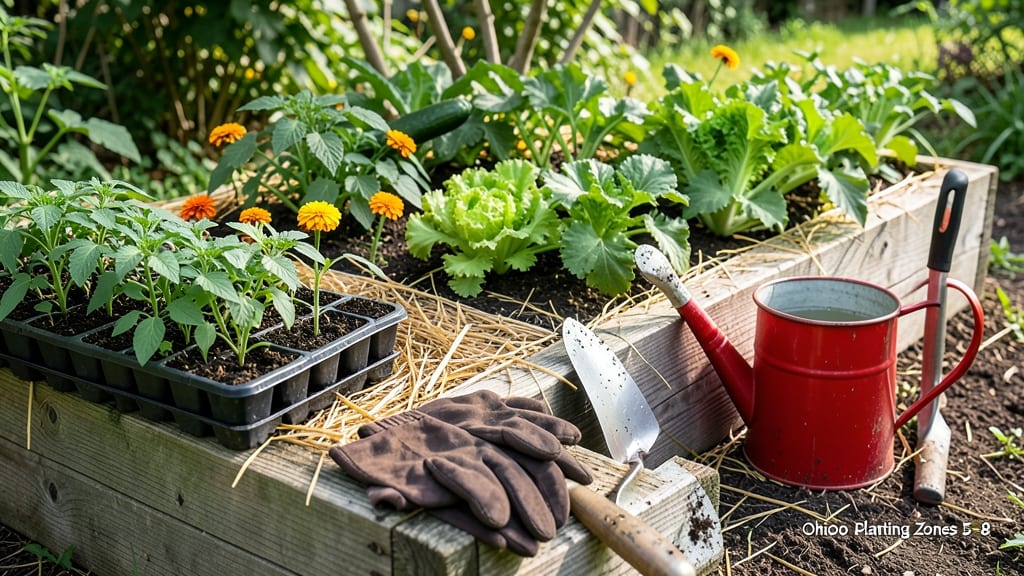
Planting a garden in Ohio at the right time means the difference between a bumper crop and a sad, wilted mess—especially in Zone 6b where frost can sneak up on you.
Ohio’s unpredictable spring weather can turn your gardening plans into a guessing game—but knowing the exact planting windows for USDA Zone 6b ensures your tomatoes, peppers, and herbs thrive instead of wilt. Avoid costly mistakes by timing your garden like a pro.
This isn’t just about tossing seeds into the dirt and hoping for the best. The last frost date in Ohio (usually around April 15) is your golden rule, but microclimates—like lake-effect cooling in Cleveland or urban heat islands in Columbus—can shift that window by weeks.
Below, I break down the ideal planting months for everything from cold-hardy greens to heat-loving peppers, plus how to stretch your growing season with row covers and smart succession planting. No more second-guessing—just a garden that works for Ohio’s climate.
Ohio’s planting calendar by month: what to sow in Zone 6b
Ohio’s Zone 6b climate means we get a 165-day frost-free season, giving us just enough time to grow everything from cool-season greens to heat-loving tomatoes. The key? Planting at the right time—too early and frost zaps your seedlings; too late and your summer crops bolt.
I’ve broken it down by month so you can time your garden like a pro, whether you’re sowing seeds indoors or directly in the garden.
First, mark your calendar for Ohio’s average last frost date: April 15 (but it can vary by 1-2 weeks depending on your county). The first frost typically hits around October 15, so plan your warm-season crops accordingly.
For example, peppers and eggplants need a long, hot season—start them indoors in March to transplant after the last frost.
🌱 PRO TIP: Use a soil thermometer to check when soil reaches 60°F—this is the magic number for most warm-season crops. If you’re unsure, opt for cold-hardy starts like kale or spinach in early spring or broccoli in fall.
| Month | Plant | When to Sow | Notes |
|---|---|---|---|
| March | Peas, Spinach, Lettuce, Onions | Direct sow outdoors (cold-hardy) | Use row covers for frost protection |
| April | Carrots, Beets, Radishes, Broccoli | Direct sow 2-3 weeks before last frost | Keep soil moist for germination |
| May | Tomatoes, Peppers, Eggplants, Cucumbers | Transplant after last frost (soil 60°F+) | Hardening off seedlings first |
| June | Beans, Squash, Corn, Basil | Direct sow after soil warms | Succession plant beans every 2 weeks |
| July-August | Fall Crops: Kale, Spinach, Carrots | Sow 4-6 weeks before first frost | Use shade cloth for summer heat |
| September | Garlic, Onions, Overwintering Lettuce | Plant bulbs before ground freezes | Mulch heavily for winter protection |
In March, focus on cool-season crops like peas and spinach, which can handle light frosts. These are your early spring heroes—they’ll give you fresh greens before your tomatoes even think about germinating.
For March sowing, I recommend using row covers to protect tender seedlings from unexpected late frosts. My go-to is floating row covers because they’re easy to remove when temps rise.
By April, the soil starts warming up, and it’s time to direct sow carrots, beets, and radishes. These fast-growing crops thrive in cooler soil and can be harvested in as little as 30-40 days.
Pro tip: Mix in compost before planting to improve soil structure—Ohio’s clay-heavy soil can be tough on tender roots. I also like to interplant flowers like nasturtiums to deter pests naturally.
Here’s where things get exciting: May is your warm-season showstopper. This is when you transplant tomatoes, peppers, and eggplants after the last frost. But don’t rush—wait until the soil hits 60°F and nighttime temps stay above 50°F.
I’ve learned the hard way that planting too early leads to blossom end rot in tomatoes. To avoid this, I always harden off seedlings for 7-10 days before transplanting.
June is all about succession planting. This is when you direct sow beans, squash, and corn, but don’t stop there—plant more beans every 2 weeks to ensure a steady harvest. Bush beans are my favorite for beginners because they don’t need trellising, and they’re ready to pick in just 50-60 days. For squash and cucumbers, choose
How Ohio’s microclimates affect your planting schedule
Ohio’s diverse geography means your neighbor’s perfect May planting might spell disaster for your garden. Urban heat islands in Cincinnati can push last-frost dates weeks earlier than rural areas, while Lake Erie’s cooling effect delays warm-season planting in Toledo by 10–14 days.
Even a 100-foot elevation gain can shift your frost window by 3–5 days—so blindly following generic Zone 6b guidelines risks stunted plants or wasted seeds.
Think about it: A south-facing urban yard might hit 60°F soil temps by mid-April, while a north-facing wooded lot could still be chilly in May. These microclimates aren’t just quirks—they’re why your tomato plants thrive downtown but flop in the countryside.
The key? Adjusting your schedule by 2–4 weeks depending on your exact location’s frost patterns and heat retention.
Your elevation matters more than you think. Every 300 feet higher can delay your last frost by 3–5 days. That’s why Athens’ gardeners plant cold-hardy crops like kale 2 weeks before Lima’s gardeners. Check your local weather station data—not just your ZIP code—to pinpoint your exact frost dates.
For example, Cleveland’s lake-effect zone might see frost until May 10, while Dayton’s inland location could be frost-free by April 25.
Even within cities, microclimates create chaos. A north-facing backyard stays cooler by 5–10°F than a south-facing front yard, delaying planting by 1–2 weeks. Solution? Use soil thermometers to confirm when temps hit 60°F—the magic number for warm-season crops.
I tested my tomato seeds in a shady spot last year and got stunted plants because the soil never warmed enough, despite my neighbor’s perfect harvests.
Pro tip: Observe your yard’s patterns for 2–3 years. Note when daffodils bloom (signals frost safety) or when cherry trees leaf out. These natural indicators often beat calendar-based guidelines.
For container gardens, add 1–2 extra weeks to your schedule—they heat up faster but also cool down quicker than in-ground soil.
Don’t let Ohio’s microclimate mysteries ruin your garden dreams. With these adjustments, you’ll outplant your neighbors—even if they follow the "standard" Zone 6b timeline. Start by checking your local cooperative extension office for hyper-local data, then fine-tune with your own observations.
Your zucchini will thank you by August! 🌱