
Planting
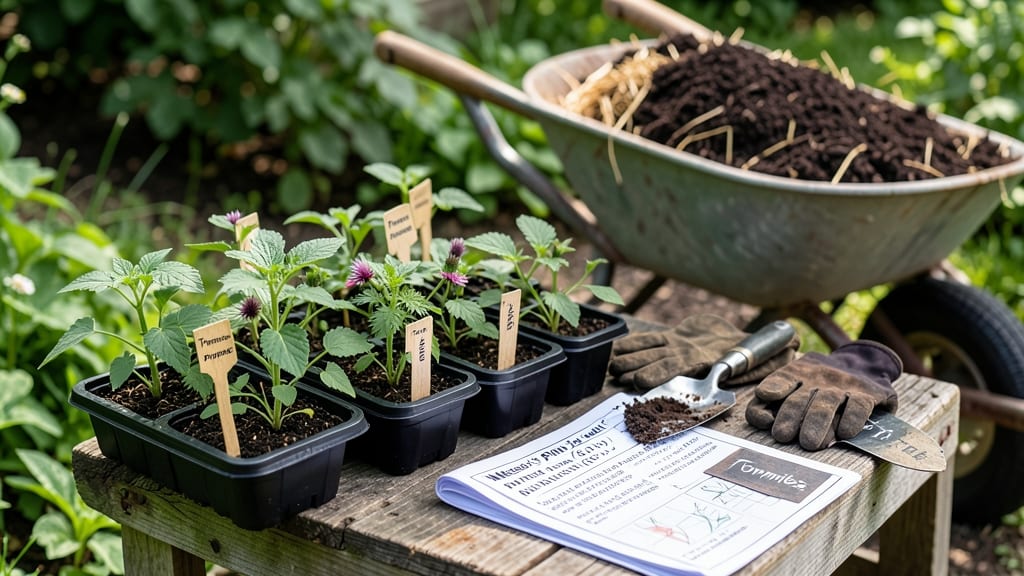
To plant a garden in Missouri, timing is everything—cool-season crops need to go in by early spring, while warm-season plants wait until after the last frost in mid-April.
Missouri’s unpredictable frost dates can make or break your garden—planting too early risks frost damage, while waiting too long shortens your growing season. Use this guide to master the perfect timing for every plant type in Missouri’s unique climate zones.
Whether you’re in St. Louis’s 6a zone or Kansas City’s 5b, knowing when to start seeds indoors, transplant seedlings, and sow directly in the soil is the key to a thriving garden. We’ll break down frost dates, planting windows, and region-specific tips to help you get it right.
From cool-season greens to heat-loving tomatoes, you’ll discover the best months for each plant, how to extend your season, and common mistakes to avoid. Let’s get your Missouri garden off to the right start!
Missouri frost dates by region: when to plant cool-season vs warm-season crops
Missouri’s frost dates vary dramatically by region, with northern areas like Kansas City experiencing later springs and earlier falls than southern cities like St. Louis. Understanding these patterns is key to avoiding frost damage while maximizing your growing season.
I’ve broken down the average last spring frost and first fall frost for Missouri’s major regions to help you time your plantings perfectly.
For precise timing, use the Missouri Frost Date Calculator from the University of Missouri Extension—it accounts for microclimates and elevation. But even with this tool, knowing your general region’s trends helps you plan ahead.
For example, Columbia typically sees its last frost around April 15, while Springfield holds onto warmth until April 25. These differences can mean the gap between planting cool-season crops like spinach and warm-season crops like tomatoes.
Here’s a quick reference: Cool-season crops (e.g., peas, lettuce, broccoli) thrive in temperatures below 75°F and can handle light frosts.
Plant these 4-6 weeks before your last spring frost or 60-90 days before your first fall frost. Warm-season crops (e.g., tomatoes, peppers, cucumbers) need soil temperatures above 60°F and should wait until 2 weeks after your last frost to avoid stunted growth.
🌱
Let’s dive deeper into how these frost dates impact your planting schedule. In St. Louis, for example, you can start cool-season crops like spinach and kale as early as mid-March, while warm-season crops like tomatoes and peppers should wait until mid-April to avoid frost damage.
Meanwhile, in Kansas City, the later frost dates push warm-season planting back to early May, giving you a shorter window to grow heat-loving plants.
For fall planting, aim to sow cool-season crops like radishes or turnips by mid-August in northern regions, or as late as early September in southern Missouri. These crops thrive in cooler weather and can even survive light frosts, extending your harvest well into October.
In contrast, warm-season crops planted in summer will bolt or produce poorly if exposed to fall frosts, so prioritize fast-maturing varieties like bush beans or zucchini for late-season harvests.
Pro tip: Use row covers or cold frames to push your planting windows even further. These tools can protect tender seedlings from late frosts, allowing you to plant warm-season crops like eggplants or okra up to 2 weeks earlier than the average frost date.
Just be sure to remove covers during the day to prevent overheating.
One common mistake I see among Missouri gardeners is planting warm-season crops too early, hoping for a longer season. But soil that’s still below 60°F will stunt seedling growth, leaving your plants vulnerable to disease.
Always check soil temperature with a soil thermometer—most warm-season crops need soil at 70°F+ to thrive.
🌿
If you’re unsure about your specific microclimate, observe your garden’s behavior over
Best planting months in Missouri: a month-by-month gardening calendar
Missouri gardeners know timing is everything—especially with our unpredictable frost dates that can range from mid-April to late May depending on your region. Whether you're sowing cool-season greens or transplanting heat-loving tomatoes, this month-by-month guide keeps your garden on track.
I’ll cover indoor starts, outdoor sowing, and harvest deadlines tailored to Missouri’s USDA zones 5b-6a.
Start with February for indoor seed starts like tomatoes, peppers, and herbs. By March, hardy crops like spinach, peas, and onions can go straight into the ground in southern Missouri, while northern areas should wait until April.
Warm-season crops like corn and beans need to wait until after the last frost—typically mid-May—to avoid damage.
- 1.
- 2.
- 3.
- 4.
- 5.
- 6.
Missouri’s fall planting window is shorter but just as rewarding. Focus on cool-season crops like kale, carrots, and radishes in August-September for harvests before the first frost. I recommend using row covers to extend your season—especially in northern Missouri where frosts arrive earlier.
Don’t forget to mark your calendar for harvest deadlines. For example, tomatoes and peppers should be harvested before October in most regions, while pumpkins and winter squash can wait until hard frosts hit. Overripe produce attracts pests, so stay vigilant!
Pro tip: Use Missouri’s frost-date averages as a guide, but always check a local weather forecast before planting frost-sensitive crops. A few extra weeks of warmth can make all the difference for your tomato plants or pepper seedlings! 🌱