
Planting
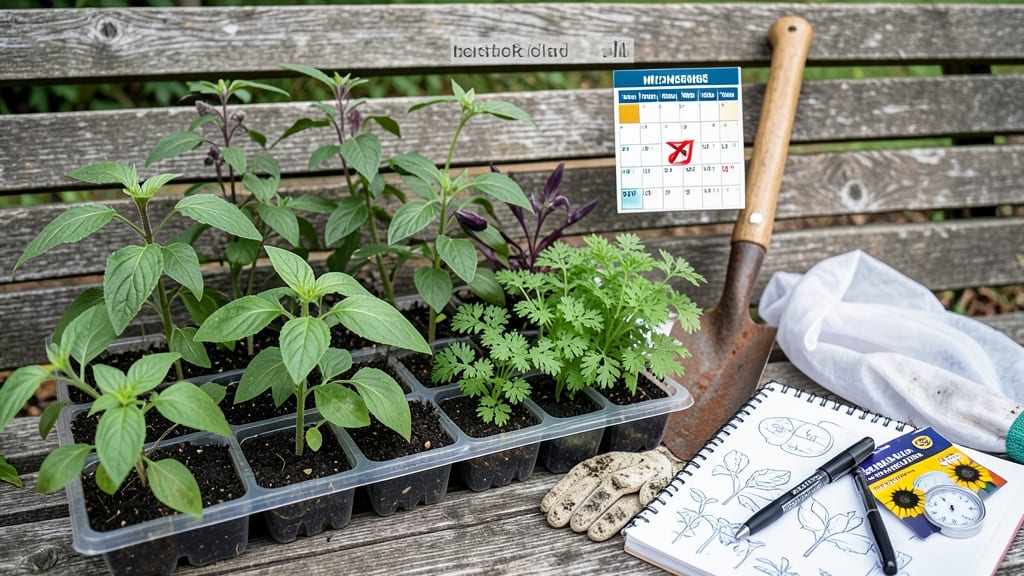
Planting your garden in Michigan at the right time means the difference between a bountiful harvest and wasted seeds 🌱.
Michigan’s unpredictable frost dates can make or break your garden’s success—but timing your plantings right ensures bumper crops instead of bolted greens or frozen seedlings.
From cool-season crops like spinach and peas that thrive in early spring to heat-loving tomatoes that need to avoid late frosts, the perfect planting window depends on your USDA zone—whether you’re in Detroit, Traverse City, or the Upper Peninsula.
This guide breaks down frost-date maps, variety-specific schedules, and pro tips to help you plant with confidence—so you can enjoy homegrown produce from May through October.
Michigan frost dates by region: last spring & first fall freeze maps
Michigan’s gardening season hinges on frost dates, which vary dramatically between the Lower Peninsula’s urban heat islands and the Upper Peninsula’s cooler climates.
Knowing your USDA hardiness zone and local frost patterns lets you time plantings for maximum success—whether you’re growing tomatoes in Detroit or potatoes in Marquette.
Below, I’ve mapped out the average last spring frost and first fall freeze for Michigan’s key regions, plus how to adjust for early or late years.
For example, Zone 5b gardeners in Grand Rapids can expect their last frost around May 10–15, while Zone 6a gardeners in Ann Arbor might see frost-free soil by May 5–10. Meanwhile, Zone 5a in Marquette often waits until May 25–June 1.
These differences mean the gap between planting cool-season crops (like spinach) and warm-season crops (like peppers) can shift by 3–4 weeks across the state.
Use this comparison table to find your region’s frost dates, then adjust based on historical data from Michigan State University’s Enviro-Weather tool. Pro tip: Add 2–3 weeks to your planting timeline if you’re in a Zone 5b area prone to late frosts—like Traverse City or Houghton.
If you’re in Zone 5a or 5b, like most of the Upper Peninsula or northern Lower Peninsula, plan for longer winters and shorter growing seasons.
For example, Marquette’s 115–120 frost-free days mean you’ll need to focus on fast-maturing varieties (like bush beans or radishes) or use season extenders like cold frames.
For Zone 6a areas (southern Michigan), you’ll have 150–160 frost-free days, giving you room for longer-season crops like tomatoes and squash. But don’t assume you’re safe from late frosts—even Detroit has seen April freezes as late as May 1 in some years.
Always have row covers or frost cloth on hand for heat-loving seedlings.
To adjust for early or late years, check Michigan State University’s Enviro
Best planting schedule for Michigan vegetables by variety type
Michigan gardeners know timing is everything—plant too early and frost will nip your seedlings, too late and you’ll miss peak harvests.
The key is matching each vegetable variety to its ideal planting window, whether it’s a cool-season crop like spinach that thrives in spring or a heat-lover like tomatoes that needs warm soil. For Zone 5b/6a (covering most of Michigan), here’s your variety-by-variety breakdown to maximize yields.
Start with cool-season crops like lettuce and peas as soon as soil is workable (around 40–50°F), typically late March to early April in southern Michigan or May 1–15 in the Upper Peninsula.
These hardy plants can even handle light frosts, making them perfect for early spring or late summer plantings. For warm-season staples, wait until after the last frost—usually May 15–June 1—when soil temperatures hit 60°F+.
For long-season crops like corn and squash, time your planting so harvests coincide with Michigan’s 150–180 frost-free days. Plant corn in blocks (not rows) for better pollination, and succession plant every 2 weeks for a staggered harvest.
Meanwhile, succession planting is a game-changer for leafy greens: Sow lettuce every 2 weeks from spring to early fall to avoid bolting and enjoy continuous harvests.