
Planting
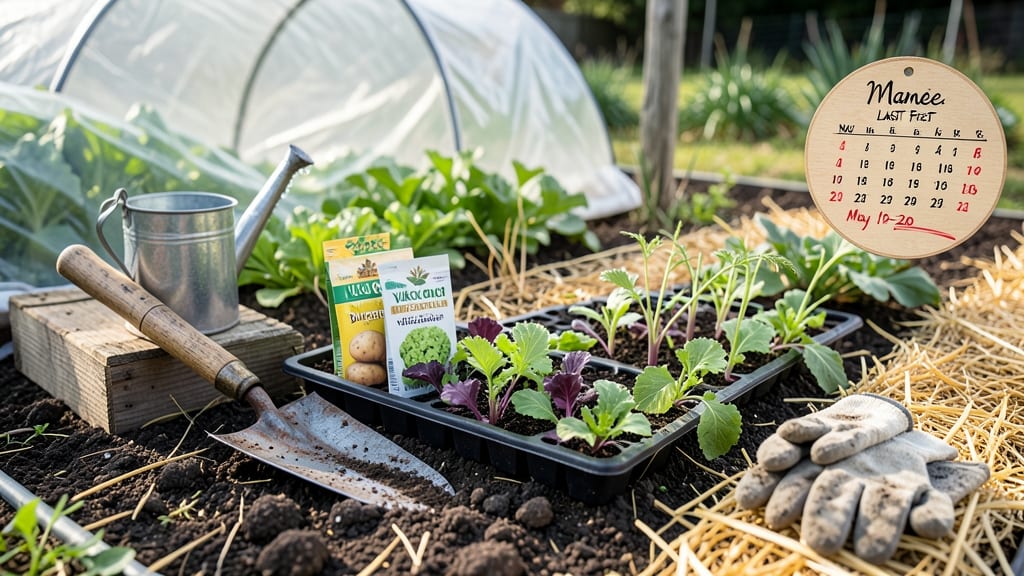
Planting a garden in Maine requires knowing the exact timing to avoid frost damage or wasted effort — and getting it right means the difference between a thriving plot and a sad, blackened mess.
Maine’s unpredictable climate can turn a gardener’s dream into a frost-damaged nightmare if you plant at the wrong time—but timing your garden just right means bountiful harvests from spring to fall.
Whether you’re growing hardy kale in Zone 4 or tender tomatoes in Zone 6, the key is understanding your last frost dates, soil temperatures, and which crops can handle Maine’s chilly shoulders.
Below, I’ll break down the perfect planting windows by crop, share regional tweaks for coastal vs. inland areas, and reveal the one trick that extends your growing season by 3-4 weeks—no matter what Mother Nature throws your way.
Maine’s frost-free planting zones: when to start seeds indoors vs. outdoors
Maine’s USDA Plant Hardiness Zones 4-6 create a unique gardening challenge, where late frosts can linger until mid-June in northern areas. Understanding these zones helps you time seed starts and transplants perfectly for your location—whether you're in Portland’s coastal zone 5b or Presque Isle’s inland zone 4a.
The key? Knowing your last frost dates and frost-free windows for both cool-season crops (like spinach) and warm-season plants (like tomatoes).
For Portland, the average last spring frost occurs around May 15, while Bangor typically sees its last frost by May 22. In Presque Isle, gardeners should plan for June 5 as the safer bet.
These dates shift 2-3 weeks earlier for coastal areas and 1-2 weeks later inland. Warm-season crops like tomatoes and peppers need soil temperatures above 60°F, which usually happens by late May in southern Maine but can wait until early June in the north.
Here’s where indoor seed starting comes into play. Most warm-season vegetables (tomatoes, peppers, eggplants) need 6-8 weeks of indoor growth before transplanting.
That means starting them indoors by late March for a mid-May transplant—just before your last frost date. Cool-season crops like lettuce and kale can often be direct-sown as soon as soil is workable, usually by early April in southern Maine.
| Location | USDA Zone | Last Frost (Avg.) | Start Indoors (Warm-Season) | Transplant Outdoors | Direct Sow Cool-Season |
|---|---|---|---|---|---|
| Portland | 5b | May 15 | Late March | Mid-May | Early April |
| Bangor | 5a | May 22 | Early April | Late May | Mid-April |
| Presque Isle | 4a | June 5 | Mid-April | Early June | Late April |
| Bar Harbor | 5a | May 18 | Late March | Mid-May | Early April |
When planning your indoor seed-starting schedule, remember that cool-season crops like peas and spinach can handle light frosts and can often be direct-sown as soon as soil is 40°F or warmer.
For warm-season crops, transplanting too early risks frost damage, while waiting too long can stunt growth. A good rule of thumb: Wait until nighttime temperatures stay above 50°F for at least a week before transplanting tomatoes, peppers, and eggplants.
For northern Maine gardeners in zone 4a, extending your growing season with row covers or cold frames can push your last frost date back by 2-3 weeks.
This gives you more time to direct-sow warm-season crops like beans and squash in early June instead of waiting until mid-June. Similarly, succession planting every 2 weeks ensures a steady harvest of lettuce and radishes throughout the summer.
If you’re growing perennials like asparagus or rhubarb, plant them in early spring (March-April) so they establish roots before summer heat. These plants benefit from cool soil temperatures and can tolerate light frosts once established.
For herbs like basil, wait until after your last frost and transplant after soil warms to 70°F—usually late May to early June in most of Maine.
Pro tip: Use biodegradable seed pots for
Best planting schedule for Maine’s top 10 vegetables and herbs
Maine’s short growing season means every day counts when planting your garden. Whether you’re growing potatoes, kale, or blueberries, timing is everything.
The key is balancing last frost dates (typically late May in most regions) with soil warmth—cool-season crops like peas thrive early, while tomatoes need to wait until after June 1.
I’ve broken down the best planting windows for Maine’s most popular vegetables and herbs, including tricks to extend your harvest with row covers and cold frames.
One of the biggest mistakes gardeners make is planting warm-season crops too early. For example, broccoli has two planting windows: an early spring crop (March–April) and a late summer crop (July–August). Skipping the second window means missing out on fall harvests.
Below, I’ve organized the schedule by month, so you can plan ahead and avoid common pitfalls like frost damage or bolting in heat-sensitive herbs.
Pro Tip: Use frost cloth or low tunnels to push your season earlier by 2–4 weeks. For example, I’ve successfully planted spinach in early March under a cold frame, harvesting by May. The table below outlines the best planting times for Maine’s top 10, including herbs like basil and crops like potatoes, along with essential care notes.
| Plant | Best Planting Time | Harvest Window | Maine-Specific Tip |
|---|---|---|---|
| Potatoes | Early April–May | July–September | Plant seed potatoes in cool soil (40–50°F) for best sprouting. Use straw mulch to prevent greening. |
| Kale | March–April, July–August | May–October | Sow early for spring harvests or late summer for fall. Row covers protect from frost. |
| Blueberries | April–May (bare root) | June–September | Plant acid-loving varieties like Patriot or Jersey. Mulch with pine needles to maintain pH. |
| Broccoli | March–April, July–August | June–July, September–October | Avoid bolting by keeping soil moist. Harvest side shoots for extended production. |
| Basil | After last frost (June 1+) | July–September | Start indoors 4–6 weeks before last frost. Pinch flowers to prolong harvest. |
| Tomatoes | After May 20 (soil 60°F+) | July–October | Use black plastic mulch to warm soil faster. Cage varieties like Brandywine for Maine. |
| Peas | Early April–May | June–July | Plant sugar snap or shelling peas in cool, moist soil. Trellis for better air circulation. |
| Carrots | April–May, July | June–September | Loosen clay soil to prevent forking. Sow thinly to avoid crowding. |
| Cucumbers | After May 20 (soil 65°F+) | July–September | Use trellises to save space. Pick frequently to encourage more fruit. |
| Chives | April–May or September | May–October | Perennial herb—divide clumps every 3 years. Harvest leaves as needed. |
For herbs like chives, Maine’s climate is a bonus—they’re perennial and come back year after year with minimal care. Meanwhile, warm-season crops like tomatoes and cucumbers need every warm day to thrive, so don’t rush them out of the ground.
I’ve found that using row covers can extend the season by 3–4 weeks, giving me an extra harvest of spinach or lettuce in early fall.
One must-know exception is broccoli, which bolts quickly in heat. To avoid this, I plant my second crop in late July instead of August, giving the plants time to mature before Maine’s early frosts. Similarly, basil is finicky—it won