
Planting
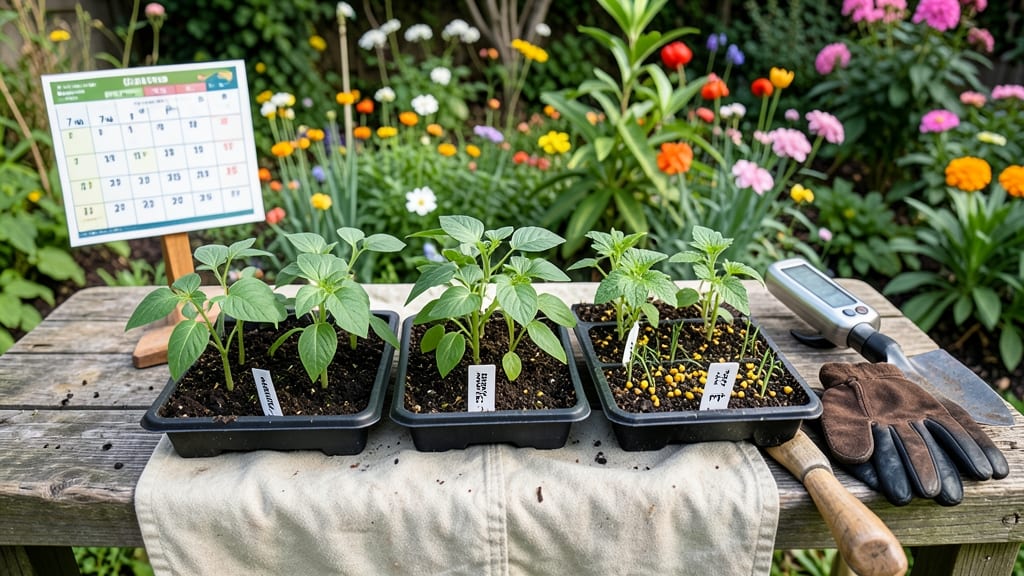
Planting your garden in Georgia at the right time means the difference between a bountiful harvest and a sad, wilted mess by July.
Georgia’s warm climate and long growing season make it a gardener’s paradise—but planting at the wrong time can mean wilted dreams before they even begin. Whether you’re in the humid Coastal Plain or the cooler Piedmont, timing is everything.
Cool-season crops like lettuce and peas need to go in the ground 4-6 weeks before your last frost, while tomatoes and peppers wait until after the danger of frost has passed. Miss the window, and you’ll be fighting heat stress instead of enjoying fresh produce.
Below, I break down the perfect planting schedule by month, region, and microclimate—so you can finally stop guessing and start growing with confidence.
Georgia planting zones by month: what to sow in spring, summer, and fall
Georgia’s USDA zones 7b-8b offer a 210-270 day frost-free season, giving gardeners ample time to grow everything from cool-season greens to heat-loving tomatoes. But timing is everything—plant too early, and frost will nip tender shoots; too late, and summer’s heat will stress your crops.
Let’s break down the perfect planting windows by month for Georgia’s diverse regions.
Northern Georgia (e.g., Atlanta, Blue Ridge Mountains) has cooler springs and earlier frosts, while southern Georgia (e.g., Savannah, Coastal Plain) enjoys longer growing seasons and warmer winters. Adjust these guidelines based on your microclimate—urban areas may heat up faster, while shaded spots stay cooler.
Pro Tip: Always check your local frost dates (typically March 15 for last frost and November 15 for first frost in most areas). Use row covers or cold frames to extend seasons in cooler zones.
| Month | Cool-Season Crops | Warm-Season Crops | Flowers & Herbs | Key Tasks | |||||||||||||||||||||
|---|---|---|---|---|---|---|---|---|---|---|---|---|---|---|---|---|---|---|---|---|---|---|---|---|---|
| February | Spinach, Kale, Lettuce | None (too cold) | Pansies, Snapdragons, Chives | Prep soil, plant bulbs | |||||||||||||||||||||
| March | Peas, Broccoli, Carrots | Start indoors: Tomatoes, Peppers | Calendula, Thyme, Cilantro | Direct sow seeds, mulch | |||||||||||||||||||||
| April | Radishes, Beets, Cauliflower | Transplant: Tomatoes, Eggplant | Marigolds, Basil, Dill | Fertilize, stake plants | |||||||||||||||||||||
| May | Lettuce (shade), Swiss Chard | Direct sow: Okra, Sweet Potatoes | Sunflowers, Rosemary, Oregano | Water deeply, mulch | |||||||||||||||||||||
| June-July | None (heat-sensitive) | Sow: Southern Peas, Melons | Zinnias, Lavender, Mint | Prune, fertilize, watch for pests | |||||||||||||||||||||
Heat-zone map: critical planting windows for Georgia’s microclimatesGeorgia’s diverse geography creates microclimates that shift planting windows by hundreds of miles. Atlanta’s urban heat island can delay frost by 2 weeks compared to rural Piedmont, while Savannah’s coastal humidity demands earlier warm-season crops. Understanding these zones helps you avoid wilted seedlings or stunted growth. Elevation plays a huge role—every 1,000 feet up in the Blue Ridge Mountains adds 3-5°F cooler temps, extending your cool-season growing window. Meanwhile, low-lying areas like Savannah’s coastal plain face earlier heat stress. Use this guide to pinpoint your localized planting dates and adjust for early/late frosts. 🌡️ Key Adjustments by Region:
For Atlanta gardeners, start cool-season crops like lettuce and peas in late February but delay tomatoes and peppers until mid-April to avoid late frosts. In Savannah, plant warm-season veggies as early as February—but protect them with row covers if nights dip below 50°F. Use local frost alerts from the National Weather Service to adjust your schedule. For example, if your area gets an early frost in October, switch to cold-hardy crops like kale or radishes instead of risking tomatoes or basil. My Piedmont garden thrives with succession planting—sowing carrots every 2 weeks from March to July ensures a steady harvest. Pro tip: Shade cloth can extend your summer growing season in hot zones. Wrap it around tomato cages to keep temps 10°F cooler during 90°F+ days. Pair this with drip irrigation to maintain consistent moisture without stressing plants. Don’t let Georgia’s variable climate derail your garden dreams. With these region-specific windows, you’ll time your plantings perfectly—whether you’re a Savannah coastal gardener or a mountain Piedmont farmer. Happy planting! 🌱 |