
Planting
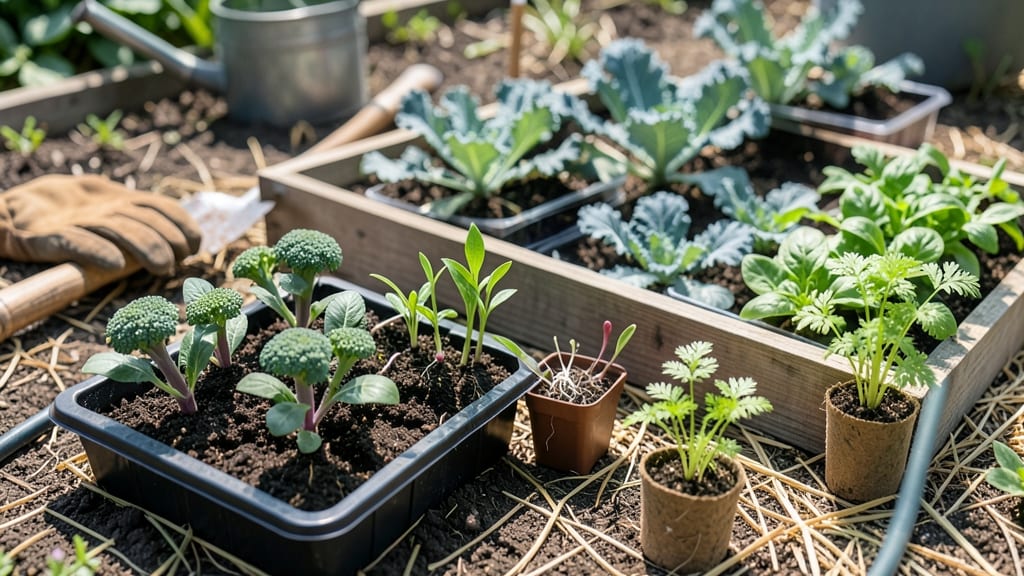
Planting a fall garden in South Texas requires knowing the exact timing to beat the heat and avoid early frosts—your best window starts around mid-August and stretches until October.
South Texas’s scorching summers can leave gardeners wondering if a fall harvest is even possible—but timing is everything. Plant too early, and your crops bolt; too late, and frost steals your rewards.
With USDA Zones 9a-10a offering 270-365 frost-free days, you’ve got room to work, but the key is starting when soil temps dip below 90°F and before 60 days before your first frost.
Below, I’ll break down the perfect planting schedule by heat zone, the best crops for your region, and how to stretch your harvests into December—without losing everything to a surprise freeze.
South Texas heat Zone planting dates for fall vegetables: exact timing by USDA Zone
South Texas’s USDA Zones 8b-10a offer a unique gardening challenge—long, hot summers followed by unpredictable fall frosts. The key to a successful fall vegetable garden lies in precise planting timing.
Unlike northern climates, South Texas gardeners must plant cool-season crops early enough to mature before December frosts (or none at all in Zone 10a), but late enough to avoid heat stress during August’s lingering warmth.
My 10-year experience growing fall gardens in Corpus Christi (Zone 9a) taught me that soil temperature matters more than air temperature. Most cool-season crops thrive when soil temps drop below 85°F, typically by mid-August.
However, planting broccoli or kale too early in August risks bolting, while waiting until October may leave them vulnerable to early frosts.
Here’s the exact planting schedule I use for USDA Zones 8b-10a, broken down by crop type and frost risk. These dates account for South Texas’s variable climate, including humidity spikes and unpredictable cold snaps in November.
For Zone 8b (e.g., Brownsville), the first frost typically arrives by December 1, so I prioritize fast-maturing crops like radishes and bush beans for late-October plantings.
In Zone 9a (e.g., Corpus Christi), I stretch harvests by planting collards and kale as late as October 15, knowing they’ll sweeten after light frosts.
In Zone 10a (e.g., Brownsville’s coastal areas), where frosts are rare, I focus on succession planting every 2–3 weeks from September to November to ensure continuous harvests.
My go-to crops here include Malabar spinach (heat-tolerant) and Asian greens like pak choi, which handle South Texas’s humidity better than traditional lettuce.
Pro tip: Always check your
How to extend your fall garden season in South Texas without risking frost
Fall gardening in South Texas feels like a high-stakes game—one wrong move and frost or heat can ruin your harvest. But with the right strategies, you can push your garden into late fall and even early winter.
The key is understanding how to protect tender plants, choose resilient varieties, and leverage microclimates that naturally stay warmer.
South Texas’s USDA Zones 9a-10a mean we have a longer growing window than northern gardeners, but early frosts can still sneak in by December. The solution? A mix of row covers, succession planting, and cold-hardy crop selection.
Even urban gardeners with limited space can extend their season with these proven tactics.
🌱 5 Proven Ways to Extend Your Fall Garden in South Texas
- 🌡️ Start with heat-tolerant varieties like Malabar spinach or collard greens, which handle 85°F soil temps better than traditional lettuce.
- 🛡️ Use floating row covers (like Reemay) to shield plants from light frosts (28-32°F)—perfect for kale and broccoli.
- 📅 Practice succession planting: Sow radishes (25 days) and turnips (50 days) every 2 weeks from August to October.
- 🏡 Exploit microclimates: South-facing walls, raised beds, or even black plastic mulch add 5-10°F warmth.
- 🌡️ Monitor soil temps—aim for 60-70°F for cool-season crops. A soil thermometer is your best friend!
One of my favorite tricks is using black plastic mulch in late summer to warm the soil for early fall plantings. Spread it 4-6 weeks before your first cool-season crop, like carrots or spinach. This simple step can give you a 2-3 week head start before temperatures drop.
For urban gardeners, container gardening with heat-retaining materials like coconut coir pots works wonders. Place pots near south-facing walls or under overhead row covers for extra insulation. Even a clear plastic bottle (cut in half) over seedlings can add 5°F protection on chilly nights.
Don’t forget about cold-hardy herbs like parsley and cilantro—they thrive in cooler temps and add flavor to your late-fall harvests. Pair them with garlic (plant in October) for a dual-purpose crop that deters pests while extending your season.
With these strategies, you can enjoy fresh homegrown greens well into December—even in Zone 9a. The secret? Start early, protect wisely, and adapt quickly when temperatures dip. Your taste buds (and wallet) will thank you! 🌿