
Planting
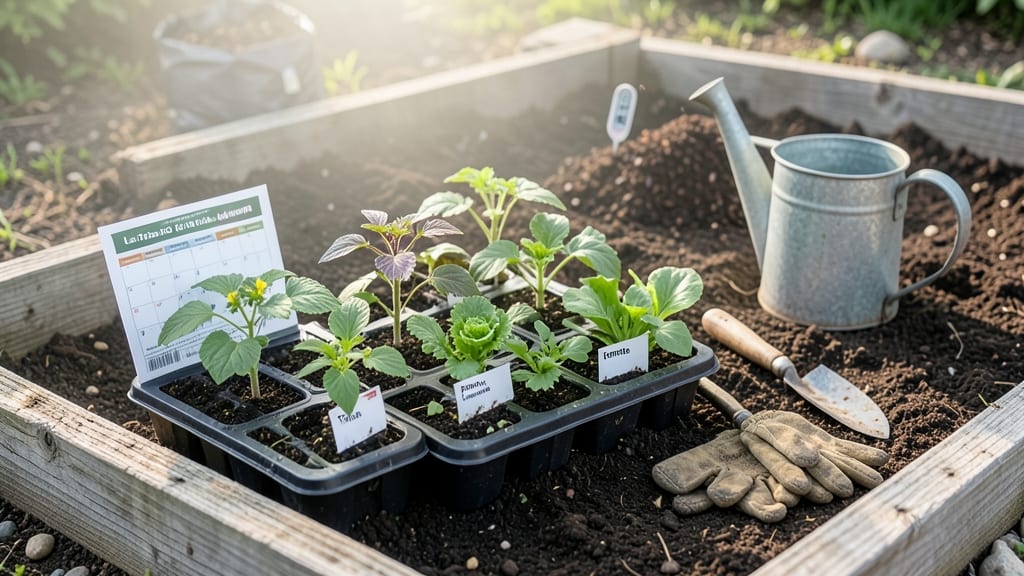
Planting a vegetable garden in North Carolina at the right time means the difference between a thriving harvest and wasted effort — and the perfect window depends on your zone and crop type.
Picture this: you’ve prepped the soil, ordered seeds, and cleared your schedule for gardening day — only to watch your tender seedlings crisp under an unexpected frost. Or worse, your tomatoes bolt to flower before producing fruit because you planted them too early.
North Carolina’s climate varies wildly from the coastal plains to the mountains, so timing is everything.
Cool-season crops like broccoli and spinach need to hit the ground 6-8 weeks before your last frost, while warm-season favorites like peppers and squash wait until soil temperatures climb above 60°F.
Below, I break down the exact frost-free dates by zone, when to start seeds indoors, and how to stretch your growing season with succession planting.
Whether you’re a first-time gardener in Raleigh or a veteran in Asheville, you’ll learn how to align your planting schedule with NC’s microclimates — so you’re not just guessing, but growing like a pro.
NC frost-free dates by Zone: when to start planting cool vs. warm season crops
North Carolina spans four USDA hardiness zones (5b, 6a, 7a, 8a), each with distinct frost-free dates that dictate your planting schedule. In Zone 5b (mountains), the last frost typically arrives between April 15-30, while Zone 8a (coastal) sees frost-free conditions as early as February 15-March 1.
These differences mean your cool-season crops like spinach and broccoli must go in at different times, just as warm-season crops like tomatoes and peppers have staggered start dates.
Understanding these zone-specific windows prevents costly mistakes. For example, planting tomato seedlings too early in Zone 6a (Piedmont) risks frost damage, while delaying pepper transplants in Zone 7a (coastal) can shorten harvests.
Below, I’ve broken down the exact frost-free averages by zone, along with ideal soil temperatures for direct sowing and transplanting.
Soil temperature is just as critical as air temperature. Most cool-season crops thrive when soil reaches 40-50°F, while warm-season crops need 60-70°F to germinate. In Zone 5b, wait until soil warms to 65°F before planting tomatoes or peppers, often around May 15.
Meanwhile, Zone 8a gardeners can start warm-season transplants as early as March 1.
Here’s a quick reference for last-frost averages by region to help you plan:
| Zone | Last Frost (Avg) | First Frost (Avg) | Cool-Season Start | Warm-Season Start |
|---|---|---|---|---|
| 5b (Mountains) | April 15-30 | October 15-31 | March 15-April 1 | May 15-June 1 |
| 6a (Piedmont) | April 1-15 | October 1-15 | February 28-March 15 | April 15-May 1 |
| 7a (Coastal) | March 15-April 1 | November 15-30 | January 15-February 15 | March 1-April 15 |
| 8a (Coastal Plain) | February 15-March 1 | December 15-January 15 | December 1-January 15 | February 15-March 15 |
For cool-season crops, like spinach, broccoli, and kale, plant seeds 4-6 weeks before your last frost date. In Zone 5b, this means sowing by March 15, while Zone 8a gardeners can start as early as December 1.
These crops tolerate light frosts, so don’t rush—early starts yield larger harvests before summer heat sets in.
Warm-season crops, including tomatoes, peppers, and cucumbers, need warmth to thrive. Wait until soil reaches 60-70°F and nighttime temperatures stay above 50°F. In Zone 6a, this typically aligns with April 15-May 1 for transplants, while Zone 7a can start as early as March 15. Direct-sow beans and corn when soil hits 65°F, usually 2-3 weeks after your last frost.
Pro tip: Use row covers
Best vegetables to plant in NC by month: a month-by-month planting guide
North Carolina’s diverse microclimates mean your planting schedule should shift based on elevation and coastal influences. Whether you’re in Zone 5b (mountains) or Zone 8a (coast), timing is everything.
Below, I’ve broken down the best vegetables to plant each month—plus critical deadlines to avoid common pitfalls like bolting lettuce or frost-killed tomatoes.
For cool-season crops like broccoli and spinach, start seeds indoors 6-8 weeks before your last frost date. In the Piedmont region, that’s typically mid-March, while coastal areas can begin as early as February.
Warm-season favorites like peppers and okra need soil temperatures above 60°F—wait until late April or May in the mountains, but late March on the coast.
🌱 NC Monthly Planting Highlights
- January-February: Start onion sets and peas outdoors. Plant spinach and kale in protected beds.
- March: Sow lettuce, carrots, and radishes outdoors. Transplant broccoli and cauliflower seedlings.
- April: Direct-sow beans and cucumbers after last frost. Begin hardening off tomato and pepper starts.
- May-June: Plant sweet potatoes and squash after soil warms. Succession-sow bush beans every 2 weeks.
- July-August: Sow fall lettuce and turnips for harvest before first frost. Transplant garlic for next year.
- September: Direct-sow radishes and spinach for winter harvest. Plant green onions and collards.
- October-November: Extend season with row covers for kale and carrots. Harvest remaining tomatoes and peppers.
Pro tip: Use succession planting to keep your harvests rolling. For example, sow lettuce every 2 weeks until mid-July—this ensures continuous harvests before summer heat causes bolting. In the mountains, aim for July 15 as your last sowing date, while coastal gardeners can extend to August 1.
Avoid these common mistakes: Planting sweet potatoes before soil reaches 65°F (they rot in cold soil), or sowing cucumbers too early when nights are still chilly. Instead, wait until after Memorial Day in most of NC.
For herbs like basil, wait until May 15—planting earlier risks frost damage, even in Zone 8a.
Extend your growing season with row covers or cold frames to plant spinach or radishes as late as October 15. In the coastal plain, you can even grow green beans through November with protection.
Just remember: first frost arrives earlier in the mountains (mid-October) than on the coast (late November).
For a foolproof schedule, bookmark the NC State Extension’s Planting Calendar and adjust based on your local microclimate. Whether you’re in Asheville or Wilmington, these monthly highlights will keep your garden productive year-round. Happy planting!