
Planting
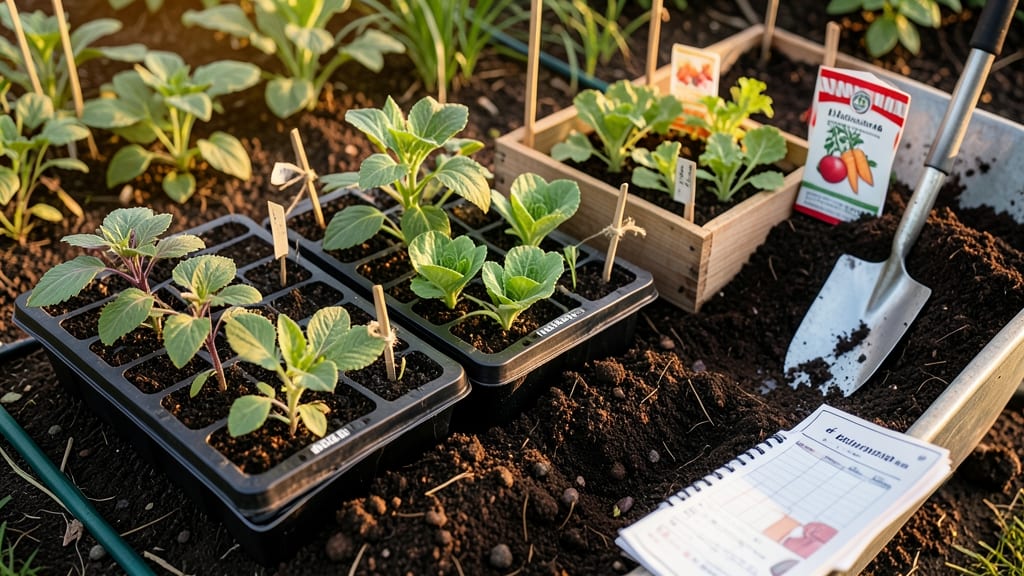
Planting a vegetable garden in Missouri means timing your crops to beat the frost and stretch the growing season—whether you're in St. Louis, Kansas City, or the Ozarks.
Missouri’s climate swings from bone-chilling winters to scorching summers, so missing the window for cool-season crops like spinach or warm-season favorites like tomatoes can mean wasted effort. The key?
Knowing your last frost date and adjusting for your specific zone—because what works in northern Missouri (Zone 5b) won’t cut it in southern Missouri (Zone 6b).
In this guide, I’ll break down the best planting times for your favorite veggies, from lettuce to zucchini, plus how to prep your soil and extend the season with row covers.
Whether you’re direct-sowing seeds or transplanting starts, you’ll learn exactly when to get your 🌱 vegetable garden in the ground for a harvest that lasts.
Ready to skip the guesswork? Let’s dive into Missouri’s frost-date chart and the step-by-step schedule that keeps your garden thriving all season long.
Missouri frost dates and planting zones: key dates for starting your garden
Missouri’s USDA Plant Hardiness Zones range from 5a to 6b, meaning frost dates vary dramatically across the state. In northern Missouri (Zone 5a), you might see frost as late as May 15, while southern regions (Zone 6b) often warm up by April 15.
Understanding these frost-date averages helps you plan when to plant cool-season crops like spinach and peas versus warm-season favorites like tomatoes and peppers.
To find your exact last spring frost date, check the USDA Plant Hardiness Zone Map and local weather records. For example, St. Louis (Zone 6a) typically sees its last frost around April 10, while Kansas City (Zone 5b) might experience frost until April 25.
These dates dictate when to move tender seedlings outdoors or start direct sowing for heat-loving plants.
Here’s how to use these frost dates for your garden: Plant cool-season crops 4-6 weeks before your last frost, and wait until 2-3 weeks after the last frost to plant warm-season crops.
This timing ensures seedlings aren’t shocked by late frosts while giving heat-lovers enough time to establish roots before summer heat arrives.
🌱
For cool-season crops like lettuce, kale, and peas, start seeds indoors 6-8 weeks before your last frost or sow directly 2-4 weeks before. These plants thrive in cooler temperatures (40-75°F) and can even handle light frosts.
In contrast, warm-season crops such as tomatoes, peppers, and cucumbers need soil temperatures above 60°F to germinate, so wait until after your last frost to plant them outdoors.
Missouri’s first frost dates also matter for fall planting. In northern zones, expect frost by October 15, while southern areas may extend the season until November 1. Use this window to plant fast-maturing crops like radishes, bush beans, and spinach for a late harvest.
For longer-season crops like broccoli or cabbage, start seeds indoors in July to transplant in August.
If you’re unsure about your exact frost dates, use a frost calculator or check local agricultural extension offices. They provide region-specific data that can help you adjust your planting schedule.
For example, a 5°F colder-than-average spring might push your last frost back by 1-2 weeks, so stay flexible with your timeline.
Another tip: Monitor soil temperature with a soil thermometer. Most warm-season crops need soil temps of at least 60°F to thrive, while cool-season crops prefer 50-65°F. If your soil is too cold, consider using black plastic mulch or a cold frame to warm it up faster.
🌿
Finally, remember that microclimates play a role. A south-facing wall or a raised bed can create a warmer microclimate that allows you to plant earlier in spring or later in fall. By combining frost-date knowledge with local observations, you’ll create a customized planting schedule that maximizes your garden’s potential.
✂️
Best planting times for Missouri vegetables: cool-season vs. warm-season crops
Missouri’s cool-season crops thrive when temperatures dip below 80°F, while warm-season vegetables need consistent warmth above 60°F. Knowing these differences helps you avoid frost damage or stunted growth. In Missouri’s USDA zones 5b-6b, timing is everything—plant too early, and you risk losing tender seedlings to late frosts.
For cool-season crops, start seeds indoors 4-6 weeks before your average last frost date (typically mid-April in northern Missouri, early April in southern regions). Warm-season crops, like tomatoes and peppers, should wait until 2-3 weeks after the last frost—usually mid-May—when soil temperatures reach 60°F.
- Early Spring (March-April): Plant spinach, peas, lettuce, and radishes as soon as soil is workable (40°F+). Use row covers for frost protection.
- Late Spring (May): Transplant tomatoes, peppers, and cucumbers after last frost. Start beans and squash directly in warm soil (60°F+).
- Summer (June-July): Succession plant bush beans and zucchini every 2-3 weeks for continuous harvests.
- Fall (August-September): Sow kale, carrots, and broccoli 8-10 weeks before first frost (typically mid-October) for a second harvest.
Missouri’s northern regions (like Kansas City) often see later last frosts than southern areas (like Springfield). Adjust your schedule by 1-2 weeks if you’re in Zone 5b versus Zone 6b.
For example, lettuce can bolt in hot summers, so plant it in early spring or late summer.
Don’t overlook fall planting—it’s a great way to extend your harvest. Carrots and radishes grow quickly in cool fall soil, while kale and Brussels sprouts sweeten after frost. Start these 6-8 weeks before the first expected frost (usually mid-October in Missouri).
For container gardening, warm-season crops like peppers and tomatoes can be planted 1-2 weeks later than in-ground gardens, as containers warm up faster. Just ensure pots have drainage holes and use lightweight potting mix to prevent overheating.
Missouri’s humid summers can stress plants, so mulch heavily after planting to retain moisture and regulate soil temperature. Straw or shredded leaves work well for cool-season crops, while black plastic mulch warms soil faster for warm-season plants. Always water deeply in the morning to prevent fungal diseases.