
Planting
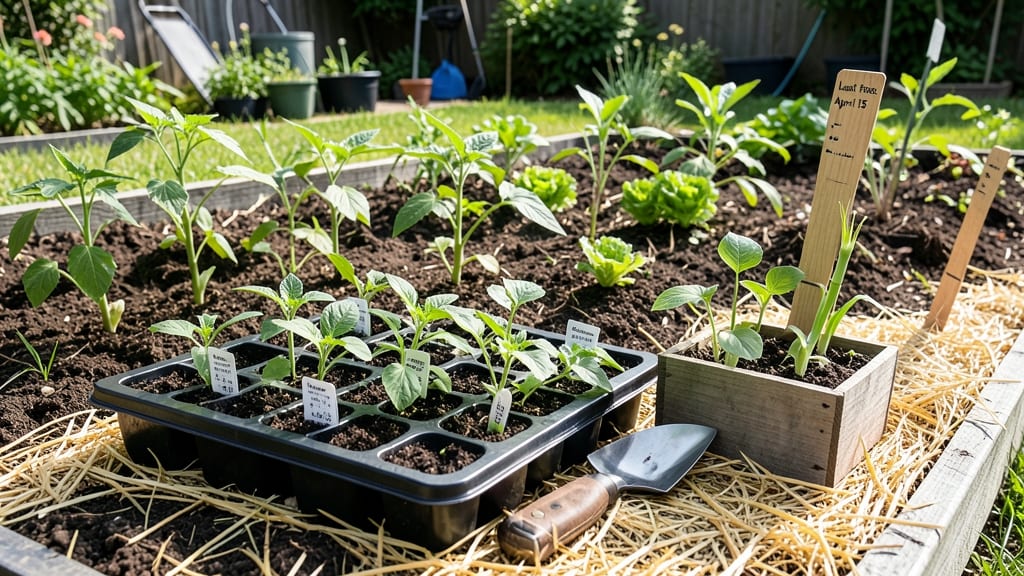
Planting a vegetable garden in Iowa at the right time means the difference between a bountiful harvest and a sad, wilted mess—especially when you’re dealing with 5a-5b frost dates that can shift yearly.
Iowa’s unpredictable frost dates can make or break your vegetable garden—plant too early, and you’ll risk frost damage; too late, and you’ll miss peak harvests. Timing is everything, especially when growing corn, beans, or tomatoes in Iowa’s diverse climate zones.
Cool-season crops like peas and lettuce can handle a light frost, but warm-season favorites like cucumbers and peppers need soil that’s at least 50°F before they’ll thrive. Getting the timing right means fewer losses and more homegrown meals on your table.
In this guide, I’ll break down the exact frost-date timeline by zone, the best planting windows for every crop, and how to adjust for Iowa’s wild weather—so you can plan like a pro and enjoy a garden that delivers all season long.
Iowa vegetable planting timeline by USDA hardiness Zone (2024 frost dates)
Iowa spans USDA Zones 4a-5b, meaning frost dates vary dramatically from northern Iowa (Zone 4a) to southern Iowa (Zone 5b). Knowing your exact last spring frost and first fall frost is critical for timing cool-season crops like peas and warm-season crops like tomatoes.
In Zone 4a, expect your last frost around May 15, while Zone 5b typically sees frost-free conditions by April 20. These differences can mean the difference between a thriving garden and a failed harvest.
For cool-season vegetables, such as lettuce, spinach, and carrots, planting should begin 4-6 weeks before your last frost date. In contrast, warm-season crops like tomatoes, peppers, and corn need to wait until 2-3 weeks after your last frost.
Fall planting for kale, radishes, and broccoli should start 8-10 weeks before your first frost, which typically arrives between October 10 (Zone 5b) and October 25 (Zone 4a). These windows ensure your plants mature before cold snaps hit.
| Zone | Last Spring Frost | First Fall Frost | Cool-Season Planting | Warm-Season Planting | Fall Planting Window |
|---|---|---|---|---|---|
| 4a (Northeast IA) | May 15 | October 25 | April 1 - May 1 | May 30 - June 15 | August 1 - September 1 |
| 4b (Central IA) | May 1 | October 20 | March 15 - April 15 | May 15 - June 1 | July 25 - August 15 |
| 5a (Southwest IA) | April 25 | October 15 | March 1 - April 1 | May 1 - May 15 | July 15 - August 1 |
| 5b (Southeast IA) | April 20 | October 10 | February 28 - March 15 | April 25 - May 1 | July 1 - July 15 |
In Zone 4a, where frosts linger later, focus on hardy cool-season crops like kale, peas, and radishes in early spring. These can often tolerate light frosts, while delicate greens like lettuce should wait until after May 15.
For warm-season crops, wait until after June 1 to plant tomatoes, peppers, and cucumbers to avoid frost damage. In Zone 5b, you can push the envelope by planting early maturing varieties of spinach and carrots as early as February under row covers for a head start.
For fall planting, prioritize fast-maturing crops like bush beans, turnips, and arugula in late July or early August. These can often be harvested before the first frost. In Zone 5b, you might even squeeze in a second planting of tomatoes in early July for a late-summer harvest.
Use row covers or cold frames to extend your growing season in both spring and fall, especially in northern Iowa where frost dates are more extreme.
If you’re planting corn or sweet potatoes, which have longer growing seasons, start seeds indoors or use transplants to get a jump on the season. In Zone 4a, these crops may need to be planted in late May to ensure they mature before frost.
Meanwhile, Zone 5b gardeners can plant corn as early as mid-April under protective covers. Always check your soil temperature—most warm-season crops need soil that’s at least 60°F for optimal germination.
Don’t forget about succession planting! In Iowa, you can often extend harvests by planting bush beans, lettuce, or radishes every 2-3 weeks throughout the growing season. This ensures a continuous supply of fresh produce and maximizes your garden’s potential. For example, in Zone 5b
Best vegetables to plant in Iowa by season (with exact months)
Iowa’s growing season offers a perfect window for both cool-season and warm-season vegetables, but timing is critical. In Zone 5a-5b, last frost typically arrives between mid-April and early May, while first frost hits mid-October.
Knowing the right monthly planting schedule ensures your garden thrives year-round. Let’s break down the best vegetables to plant each month—plus succession planting tips to maximize your harvest.
For early spring, focus on hardy crops like lettuce and peas, which tolerate cooler temperatures. By late May, shift to heat-loving plants like tomatoes and cucumbers. Fall planting (August–September) allows for a second round of cool-season crops like kale and radishes.
Each vegetable has its ideal window, and missing it can mean missed harvests or stunted growth.
Here’s your month-by-month planting guide for Iowa’s top 12 vegetables, including succession planting strategies and heat-tolerant varieties for Zone 5b:
Plant lettuce, spinach, and peas 4–6 weeks before last frost. Use row covers for frost protection.
Start tomatoes, peppers, and cucumbers indoors. Transplant after soil reaches 50°F+.
Direct-sow corn, beans, and squash. Succession plant zucchini every 2 weeks for continuous harvests.
Sow bush beans and radishes for late-summer harvests. Avoid planting heat-sensitive crops like lettuce.
Plant kale, carrots, and broccoli 6–8 weeks before first frost. Use heat-tolerant varieties like 'Winterbor' kale.
Direct-sow garlic and onions for next year’s harvest. Cover with mulch to protect from early frosts.
For continuous harvests, stagger plantings every 2 weeks. Example: Sow lettuce in March, June, and August.
For heat-tolerant varieties in Zone 5b, opt for 'Heatwave' lettuce or 'Black Krim' tomatoes, which thrive in Iowa’s summer heat. Always check soil temperatures—warm-season crops need 60°F+ soil to germinate. Overlooking this can lead to poor germination or stunted growth.
Succession planting is key for continuous harvests. For example, sow bush beans every 2 weeks from May through July to enjoy fresh pods all summer. Similarly, radishes mature in just 30 days, making them perfect for quick turnarounds. Plan your garden layout to maximize space and yield.
Remember, Iowa’s unpredictable weather can shift planting windows. Monitor local forecasts and adjust dates as needed. With the right timing, you’ll enjoy a bountiful harvest from spring to fall—no wasted space or missed opportunities! 🌱