
Planting
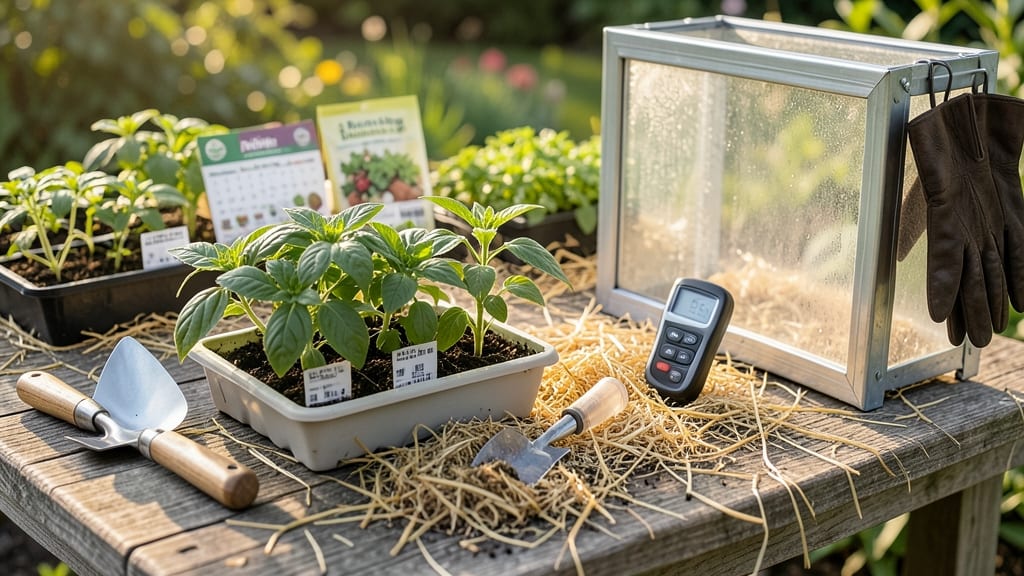
Planting a garden in Iowa at the right time means the difference between a bountiful harvest and a wasted season—and the clock starts ticking after that last frost in mid-April.
Iowa’s unpredictable frost dates can make or break your garden—plant too early, and you risk losing weeks of growth to late frosts. Get the exact timing for your Zone 5B location to maximize yields and avoid common gardening mistakes.
With 150 frost-free days to work with, knowing when to start seeds indoors, when to transplant tender seedlings, and which crops thrive in Iowa’s short but intense growing season is the key to success.
Below, I’ll walk you through the ideal planting schedule for spring and fall, how to adjust for microclimates, and the best crops to prioritize for your Iowa garden.
Iowa’s frost dates and ideal planting windows by month
Iowa’s Zone 5B climate means frost can linger until mid-April in most areas, while the first frost typically arrives around mid-October. These dates create a 150-day growing season, so timing is everything for maximizing your harvest.
Understanding these windows helps you avoid late-spring frosts that can wipe out tender seedlings or early-fall frosts that stunt warm-season crops.
Your planting schedule should balance cool-season crops (like spinach and peas) that thrive in cooler temps with warm-season crops (tomatoes, peppers) that need heat.
Iowa’s microclimates—urban areas, river valleys, and hilltops—can shift frost dates by 1-2 weeks, so always check local records or use a frost calendar from the Iowa State University Extension for precision.
Average last frost dates in Iowa’s Zone 5B range from April 15 in southern Iowa to May 1 in northern regions. For fall planting, aim to sow warm-season crops 6-8 weeks before your first frost, usually by late July. Cool-season crops can handle light frosts, so they can be planted 2-3 weeks before the average first frost date.
| Month | Planting Window | Cool-Season Crops | Warm-Season Crops | Soil Temp |
|---|---|---|---|---|
| March | Start indoors (peppers, tomatoes) | Spinach, peas, lettuce (hardy) | None (too cold) | 35-45°F |
| April | After last frost (mid-April) | Kale, broccoli, carrots | Transplant tomatoes, peppers (after May 1) | 50-60°F |
| May | Direct sow after frost | Radishes, peas, lettuce | Beans, cucumbers, squash | 60-70°F |
| June | Succession plant | None (too hot) | Corn, melons, okra | 70-80°F |
| July | Fall prep (late July) | Kale, spinach, radishes | Plant for late harvest | 65-75°F |
| August | Direct sow fall crops | Broccoli, cabbage, peas | None (too late) | 60-70°F |
In March, focus on cool-hardy crops like spinach and peas, which can tolerate light frosts. Start warm-season seedlings indoors (tomatoes, peppers) to transplant after the last frost. Use row covers to protect early plantings from unexpected cold snaps, especially in northern Iowa where frosts can linger.
By April, soil temperatures should reach 50°F for safe planting of cool-season crops. Wait until mid-April
How to adjust planting times for Iowa’s unpredictable weather
Iowa’s Zone 5B climate means your planting windows can shift dramatically from year to year. A late frost in May or an early chill in September can devastate your garden if you’re not prepared.
The key is flexibility—using season extenders and cold-hardy varieties to protect your plants while maximizing your growing season.
Start by tracking local frost alerts from the Iowa State University Extension or apps like Frost Date Finder. These tools provide real-time updates on last spring frost and first fall frost, which can vary by 1-2 weeks across Iowa.
For example, northern Iowa might see frost as late as May 20, while southern regions could be frost-free by May 5.
⚠️ callout-warning ⚠️
Even if your tomato plants are thriving, a 50°F night can kill tender seedlings. Use frost cloths or row covers for warm-season crops like peppers and cucumbers until temperatures stabilize. For cool-season crops like spinach, plant 4-6 weeks before last frost to ensure harvests before summer heat arrives.
🌱 Pro Tip: Test soil temperature with a soil thermometer—most warm-season plants need 50°F+ soil to germinate.
One of the easiest ways to extend your growing season is by using row covers or cold frames. These tools can add 2-4 weeks to your spring planting window and 4-6 weeks in the fall.
For instance, you can plant bush beans under row covers as early as late April, even if nighttime temps dip into the 40s°F. Remove covers when plants are established to avoid overheating.
Choose cold-hardy varieties for early or late planting. For example, ‘Early Girl’ tomatoes tolerate cooler temps better than ‘Beefsteak’ varieties, making them ideal for May or September planting. Similarly, ‘Winterbor’ kale thrives in fall frosts and can be harvested well into December if protected.
Check seed packets for days to maturity and calculate backward from your first frost date.
Create a planting checklist for high-risk weeks. For example, in late April or early May, when frosts are most unpredictable, focus on:
- ✅ Hardening off seedlings before transplanting
- ✅ Monitoring nightly temps via weather apps
- ✅ Preparing row covers for sudden cold snaps
- ✅ Planting fast growers like radishes or lettuce for quick harvests
Don’t forget about fall planting strategies. Start warm-season crops like pumpkins or winter squash in late July to ensure they mature before frost. For cool-season crops, aim to plant 6-8 weeks before first frost. Use mulch to insulate soil and protect roots from early fall frosts. With these adjustments, you can double your harvests and make the most of Iowa’s short but productive growing season.