
Planting
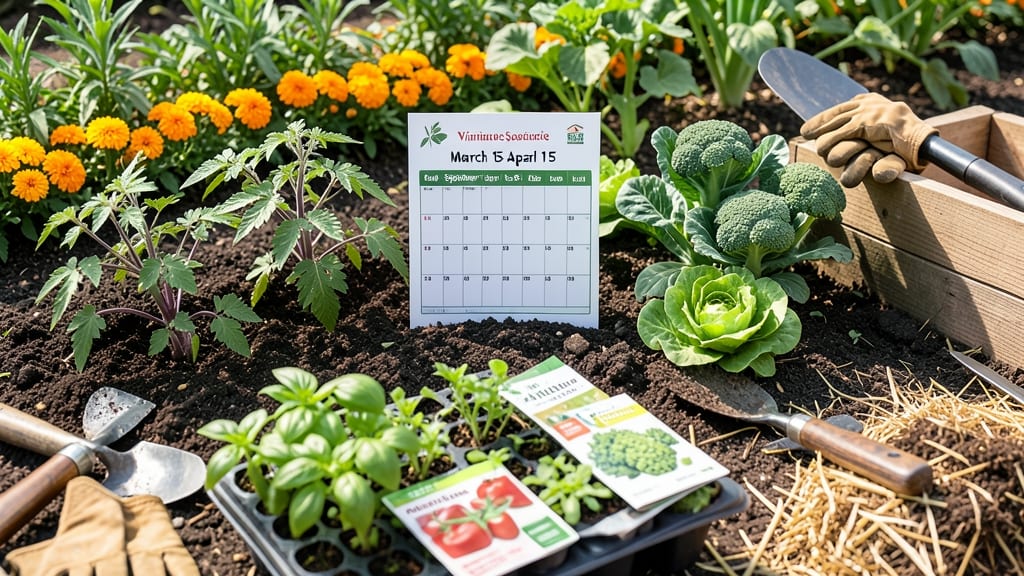
Planting a garden in Virginia at the right time means the difference between a thriving harvest and a wasted season—and the clock starts ticking earlier than you might think.
Virginia’s last frost dates vary wildly from the mountains to the coast, so timing your 🌱 garden isn’t just about the calendar—it’s about knowing your zone. Skip this step, and you risk stunted plants, pest infestations, or even total crop failure before summer arrives.
Whether you’re sowing cool-season greens in early spring or transplanting tomatoes in late May, the perfect window depends on where you live. Below, I’ll break down Virginia’s frost-free zones, the best planting dates for your favorite crops, and how to adjust for those tricky microclimates.
You’ll leave here with a clear schedule, soil prep tips, and the confidence to plant like a local—no more guessing games or last-minute panics when the frost hits.
Virginia’s last frost dates by USDA Zone: when to plant cool-season vs. warm-season crops
Virginia spans USDA Zones 5a through 7b, creating dramatic differences in last frost dates that determine your planting schedule.
In Zone 5a (northern mountains), the average last spring frost arrives around April 15, while Zone 7b (coastal areas) sees its last frost by March 15—a full month earlier! Understanding these windows helps you avoid frost damage to tender seedlings.
Cool-season crops like kale and peas thrive when planted 4-6 weeks before your last frost date. Warm-season plants such as tomatoes and peppers need soil temperatures above 60°F—typically after your last frost. Let’s break down the zone-specific timing for 12 staple crops to maximize your harvest.
In Zone 5a, where winters are harsher, cool-season crops like spinach and peas can be planted as early as March 15 for a spring harvest. Meanwhile, Zone 7b gardeners enjoy a 120-day growing season for warm-season crops, allowing for two tomato harvests—one in spring and one in fall.
For warm-season crops, wait until soil temperatures exceed 60°F—use a soil thermometer to confirm. In Zone 6a, this typically happens by April 20, while Zone 7b can start as early as March 10. Planting too soon risks chilling injury or slow growth.
Fall planting follows the opposite rule: sow cool-season crops 60 days before your first frost. In Zone 5a, this means late July for kale and spinach, while Zone 7b can extend planting until early September. Use row covers to push these dates later if needed.
Pro tip: Zone 6b gardeners in the Shenandoah Valley often experience microclimates with 10-14 days earlier last frosts than nearby areas. Monitor local weather stations or track your own 3-year frost history to refine your schedule.
If you’re in Zone 7a and love sweet potatoes, start slips indoors in late April and transplant after May 15 when soil warms. In Zone 5b, opt for early-maturing varieties like 'Early Girl' tomatoes (65 days to harvest) to beat the first fall frost.
Remember: Last frost dates are averages—always have row covers or frost cloth ready for late-season surprises. For Zone 6a, add 7-10 days to your last frost date as a buffer. Your garden’s success starts with timing, not just soil prep!
How to adjust planting dates for Virginia’s microclimates and unpredictable weather
Virginia’s microclimates can vary dramatically—from the cool mountain valleys of the Shenandoah to the humid coastal breezes near Norfolk. Even within Richmond’s urban heat islands, temperatures can feel 5-10°F warmer than nearby rural areas.
These differences mean your last frost dates might shift by weeks, making generic planting charts risky. The key? Localized adjustments based on real-time data and historical patterns.
Start by identifying your specific microclimate. Mountainous regions like Roanoke (Zone 6b) often experience later springs, while Tidewater areas (Zone 8a) may see earlier frost-free dates. Coastal gardeners in Virginia Beach might plant tomatoes 2-3 weeks earlier than their inland counterparts, thanks to moderating ocean winds.
Use the USDA Plant Hardiness Zone Map as a baseline, then fine-tune with local observations.
⚠️ callout warning ⚠️
Even experienced gardeners fall into these traps. Watch for these 5 warning signs you’ve planted too soon:
- Yellowing leaves on established plants (frost damage)
- Stunted growth despite proper water/fertilizer
- Pests appearing 3+ weeks early (aphids, slugs)
- Soil still cold below 50°F at 4" depth
- Seedlings wilting despite adequate moisture
🌱 Pro Tip: Use a soil thermometer—most cool-season crops need soil temps ≥40°F, while warm-season plants require ≥60°F.
To refine your schedule, combine three data sources: the Virginia Cooperative Extension’s frost history (track the last 3 years), a soil thermometer (critical for warm-season starts), and local weather apps that predict 10-day forecasts.
For example, in Zone 7a (Charlottesville), I’ve found that peppers planted after May 15th thrive, but those sown in early May often succumb to late spring frosts that dip to 32°F.
Urban gardeners in Richmond face another challenge: heat islands that can push soil temps 10°F+ higher than surrounding areas. If your container garden sits on black pavement, your basil might need planting 2 weeks later than a rural plot.
Test your microclimate by placing egg cartons filled with water in sunny vs. shady spots—evaporation rates reveal heat differences.
For fall planting, use the "50/50 rule": count back 50 days from your average first frost date (find yours via NOAA’s climate database) and 50% of your crop’s maturity time.
For instance, kale takes 60 days to harvest, so in Zone 6b (Blacksburg), I plant by August 1st to ensure a frost-free harvest. Coastal areas like Norfolk (Zone 8a) can extend this to September 15th.
Don’t rely solely on calendar dates. Instead, pair them with plant-specific cues. For squash, wait until honeybees are actively pollinating (mid-June in most zones). For broccoli, start seeds when dandelions bloom—a natural indicator of warming soil.
These biological markers often align better with Virginia’s unpredictable weather patterns than fixed dates.